21 Wolf Cuts Over 50 That Look Edgy, Not Costume-y
Some haircuts ask you to tone yourself down. The wolf cut does the opposite, and that is exactly why so many women over 50 keep saving photos of it.
The worry is fair. Push the layers too far and the cut can look like a costume from a music video. Keep the shape balanced, though, and wolf cuts over 50 read as modern, soft around the face, and full of movement. The trick is choosing the version that fits your hair texture, your colour, and the way you actually live.
Below are 21 versions worth showing your stylist, from the softest feathered take to a short fringe with real nerve. Each one keeps the shaggy crown and tapered ends that make the cut what it is, scaled to real life.
Bring two or three photos to the appointment. Point at the crown, the fringe, and the ends, and say which parts you want copied and which parts you want softer.
1. The Soft Wolf With Feathered Ends
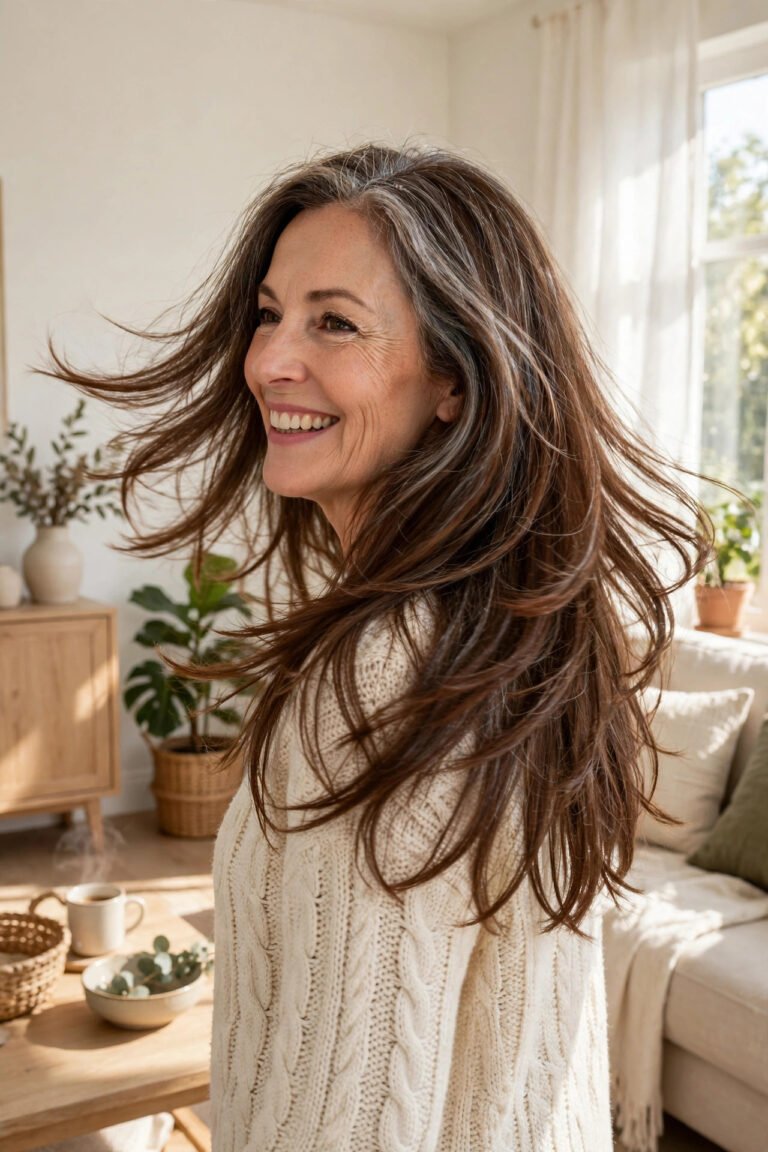
This is the gentlest door into the cut.
The layers sit longer and softer than a classic wolf, with the ends feathered so nothing looks sliced. The crown keeps a little lift, the back keeps its length, and the whole shape moves when you do. On straight or slightly wavy hair it falls into place with almost no work. Ask your stylist to keep the shortest layer below the cheekbone. That one choice keeps the cut grown up and stops the top from puffing out.
2. The Long Wolf With Loose Waves
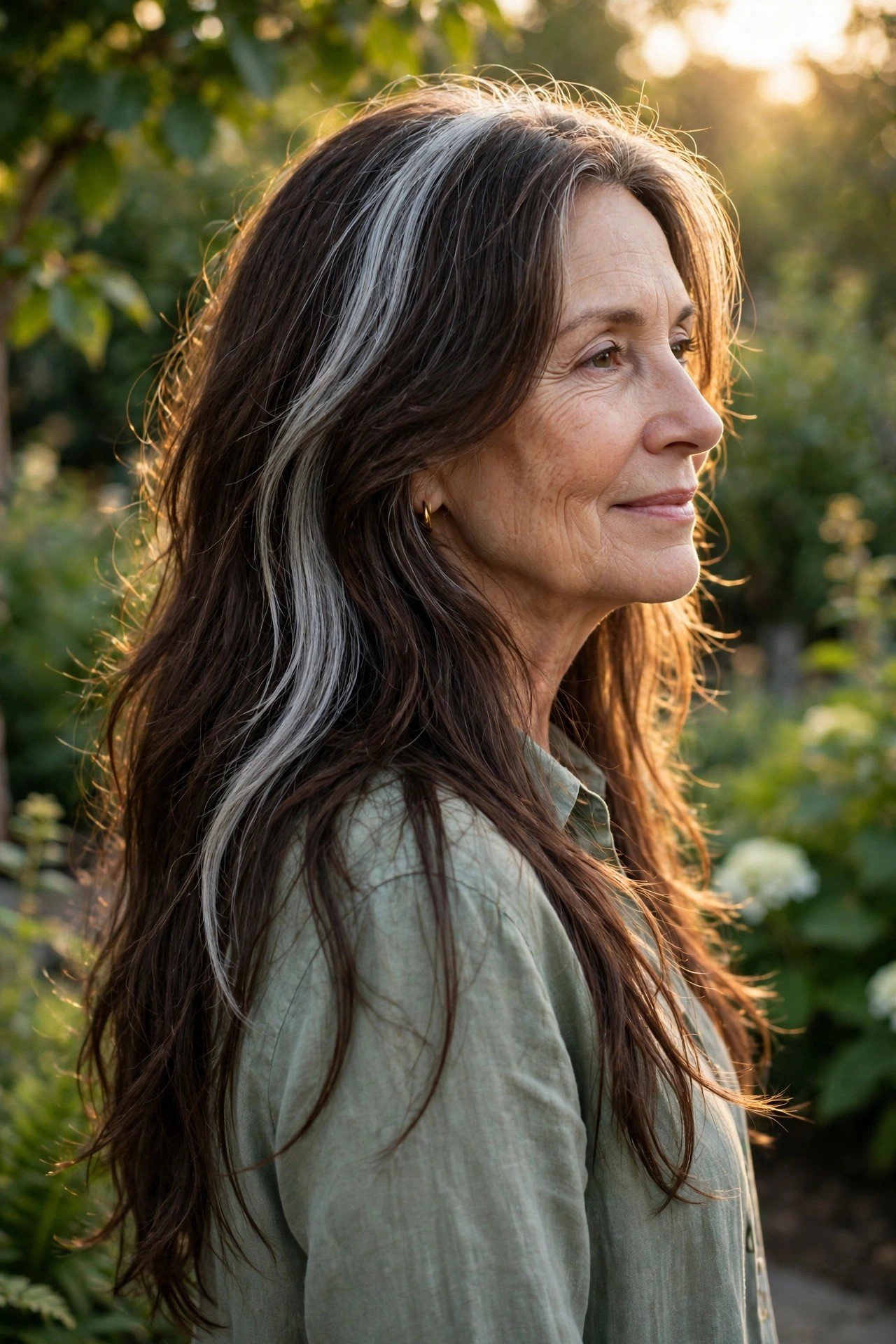
Length changes the whole mood of this cut.
Past the shoulders, the wolf stops looking shaggy and starts looking romantic. Loose waves run through long layers, the crown stays flatter than in shorter versions, and the ends taper so the hair never forms a heavy triangle. It suits women who love their length and want movement back. The weight of long hair pulls the top down, so ask for shorter layers around the crown only. The lengths can stay long and blended.
💡 Quick Tip
Sleep with the lengths in a loose high ponytail. Long layers crease less overnight, and the waves wake up softer with almost no restyling.
3. The Short Choppy Wolf

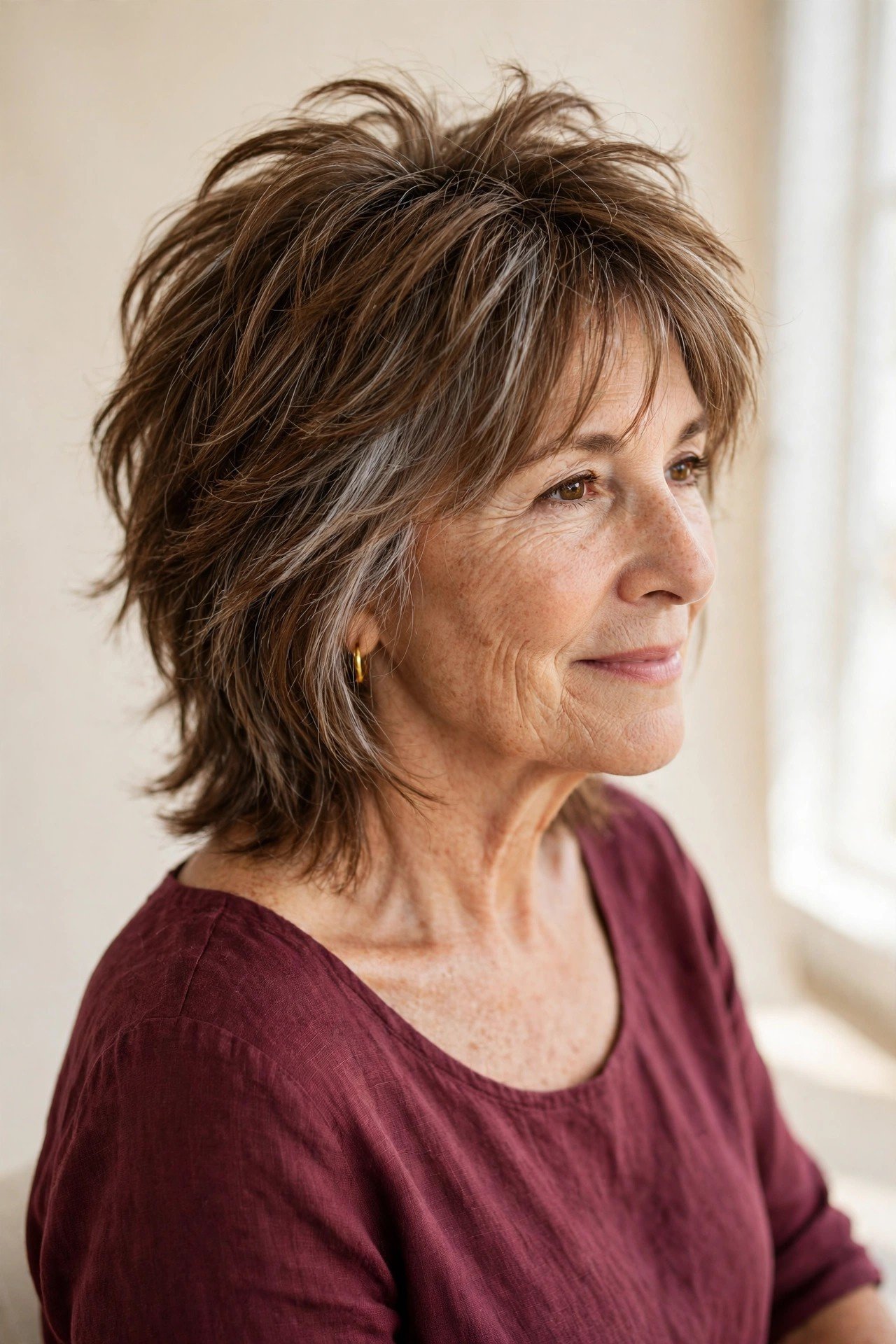
Short hair, full attitude, still tidy.
This version crops the back close, keeps the top piecey and chopped, and lets a few longer bits sit over the ears. It reads bold in photos yet behaves well at the office or at lunch with friends. Thick hair holds the shape best, since the choppy ends need some body behind them. Style it with your fingers and a pea sized dab of matte paste, pushed forward, then pinched at the ends.
4. The Curly Wolf That Follows Your Natural Curls

Curly hair and this cut get along well, as long as the layers respect the curl.
A good curly wolf is cut dry, curl by curl, with the crown shaped rounder and the ends left longer than you expect. Curls spring up as they dry, so a layer that looks right wet can jump two inches by evening. Keep the fringe longer too, or skip it and let the front curls frame your face. The result is big, soft, and shaped, never a pyramid.
Ask your stylist for this
5. The Wolf Cut With Curtain Bangs
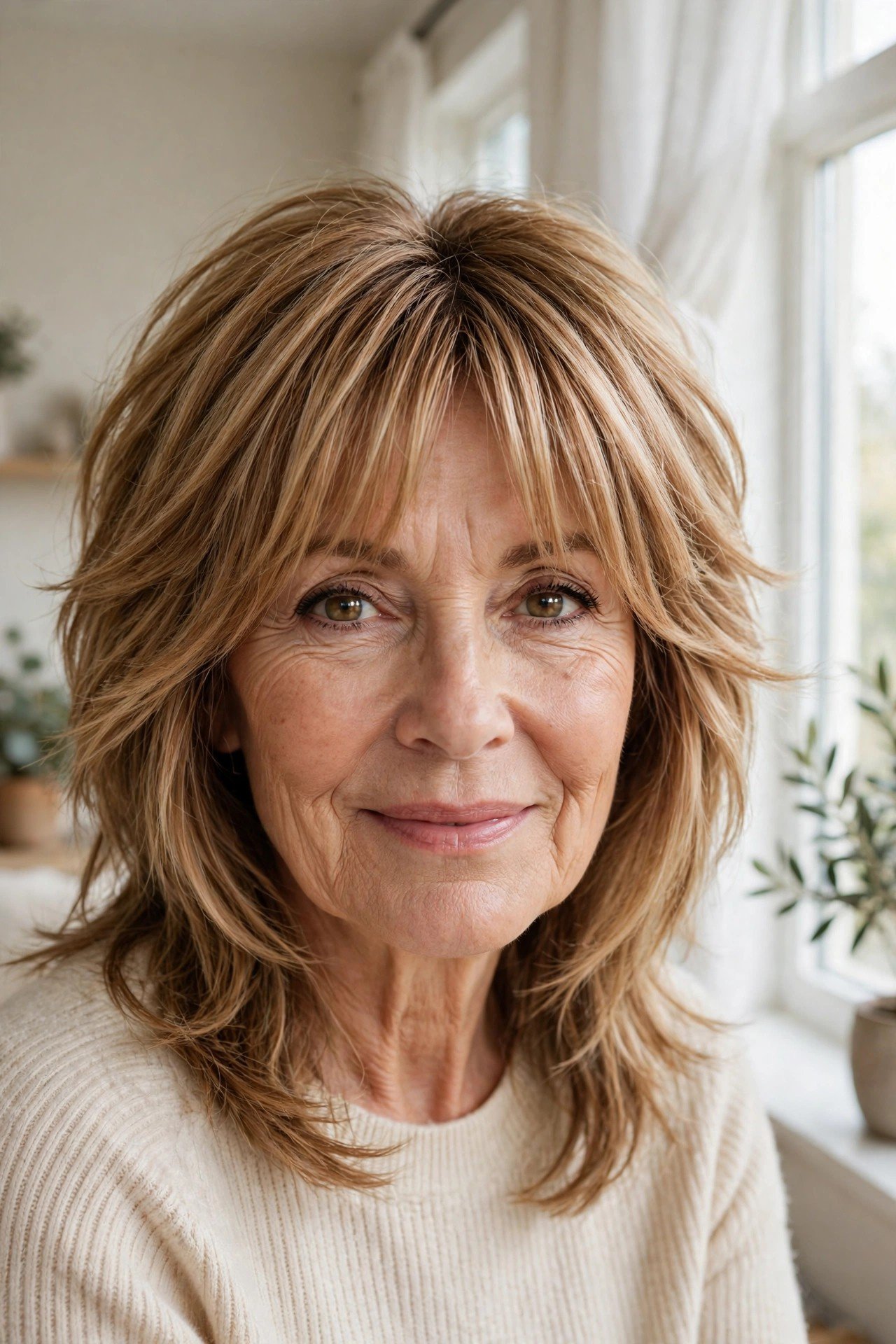
A centre parted fringe changes the wolf from edgy to elegant.
Curtain bangs split in the middle and sweep toward the cheekbones, which softens the shaggy layers behind them. The fringe needs to start longer than you think, grazing the cheeks, so it can be tucked behind your ears on busy days. Blow it dry forward first, then let it fall open. That small habit keeps the curtain shape instead of two flat wings.
Shaggy layers with no fringe can sit heavy across the forehead and hide your eyes behind the longest pieces.
A curtain fringe opens the face, softens the layers, and still tucks behind your ears when you want it gone.
6. The Wolf Bob With a Longer Front
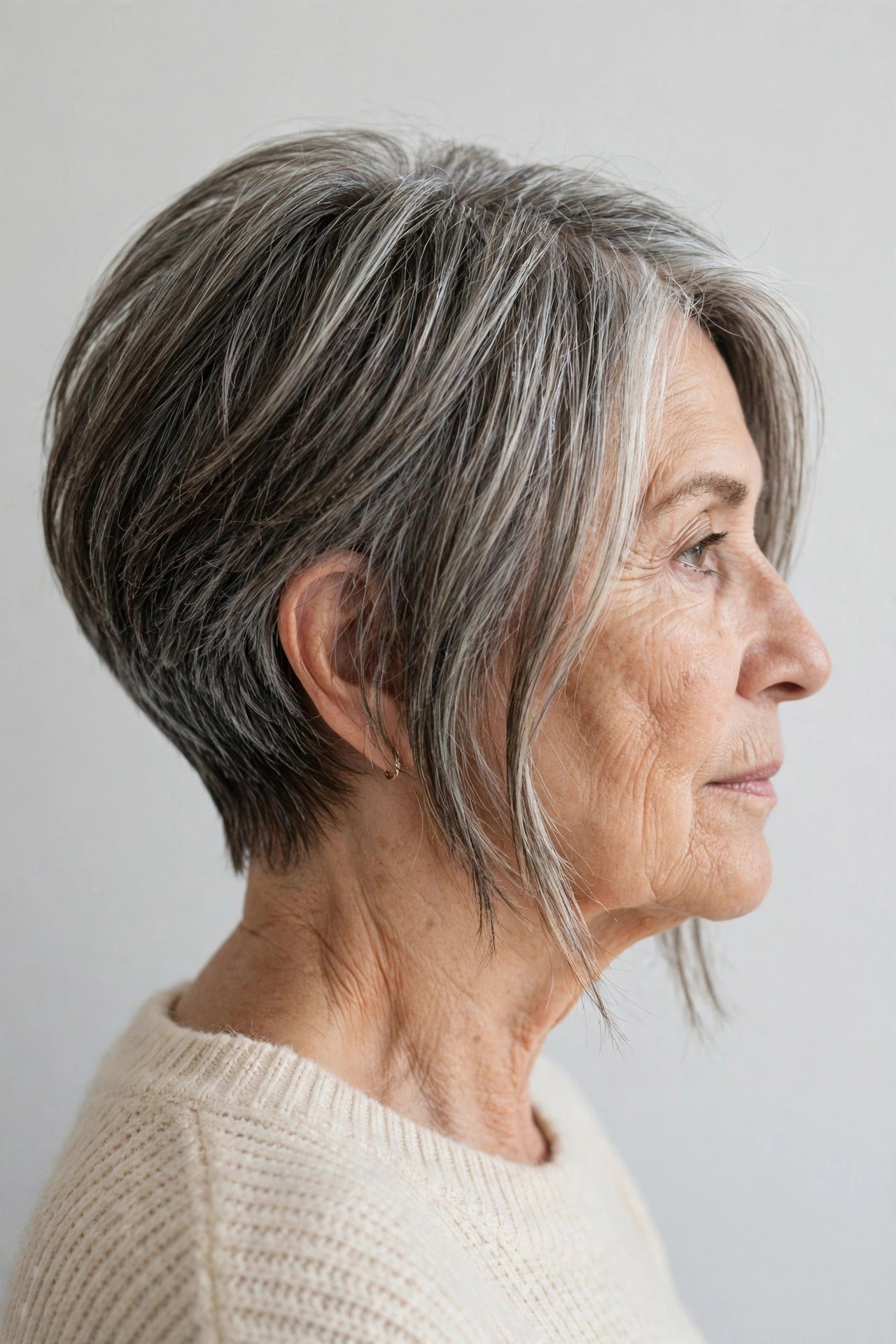
Think of it as a bob that went for a walk on the wild side, then came home for dinner.
The back is cut shorter with a clean tapered nape, and the front pieces stay longer, reaching the jaw or just past it. You get the neat outline of a bob with the movement of a wolf. It flatters a strong jaw and keeps the neck looking long. One warning: the nape grows out fast, so plan on quick tidy ups between full cuts.
| Wolf bob | Classic bob |
|---|---|
| Back is shorter, layered, with a tapered nape | Back is one length, blunt and even |
| Front pieces stay longer and frame the jaw | Same length carried all the way around |
| Nape needs tidy ups between full cuts | One clean trim schedule usually holds |
7. The Feathered Wolf With Flippy Ends

The ends do the talking here.
Layers are feathered thin and light, then styled so the tips flick outward instead of hanging straight. The flick gives the cut its bounce and keeps it from reading too rock and roll for everyday wear. The whole routine is a round brush and two minutes with the dryer aimed upward at the ends. Fine to medium hair takes the flick best. Very straight, heavy hair may need a light mousse at the roots first.
Dry the roots first, lifting them with your fingers so the top has height.
Brush the ends under, then flip the brush upward at the last inch.
Let the ends cool before you touch them, so the flick sets and holds.
8. The Grown-Out Wolf That Still Behaves

The honest truth about this cut: it grows out better than almost any other layered style.
Because the layers start long and uneven, a few extra weeks do not wreck the shape. The crown settles, the ends soften, and the cut turns into a gentle shag that still frames your face. Women who stretch salon visits to three or four months at a time lean on this version. Ask your stylist to cut it slightly shorter than your goal, then let it live its way down.
Cut it a touch shorter than the goal. A wolf that starts slightly short grows into the shape, not out of it.
9. The Silver Wolf, Fully Natural
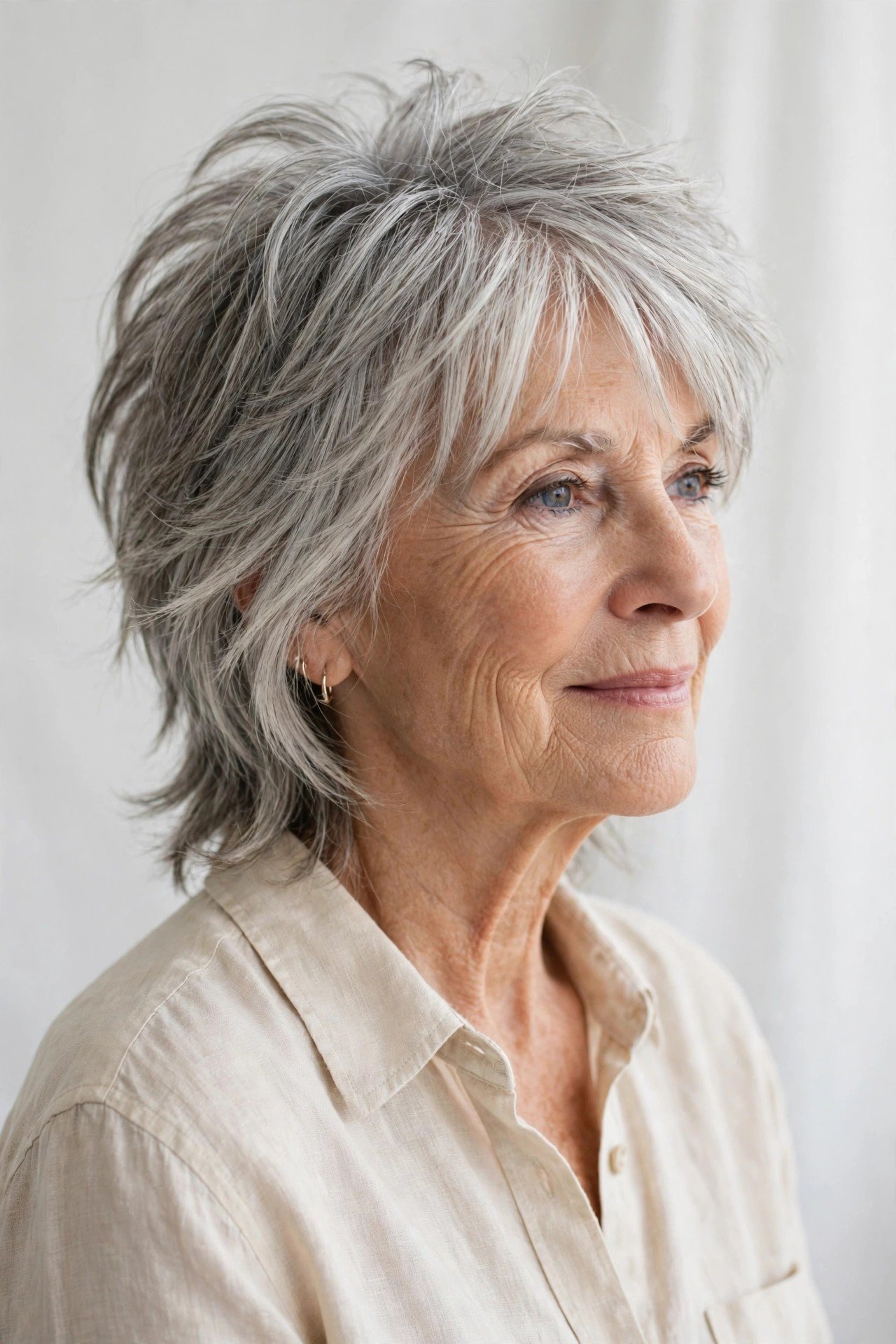
Grey hair has its own texture, and the wolf cut shows it off.
Silver strands run a little coarser and drier than pigmented hair, so the layers need to stay soft at the edges or the ends can look wiry. Kept feathered, the cut turns that coarser texture into volume you never had before. A purple shampoo once a week keeps the silver bright and stops yellow tones from dulling the layers. Shine spray on the crown finishes the job on dressed up days.
📌 Good To Know
Grey hair drinks up product fast. Use half the amount you used to, warm it in your palms first, and add more only if the ends still feel dry.
10. The Wolf Shag With a Full Crown
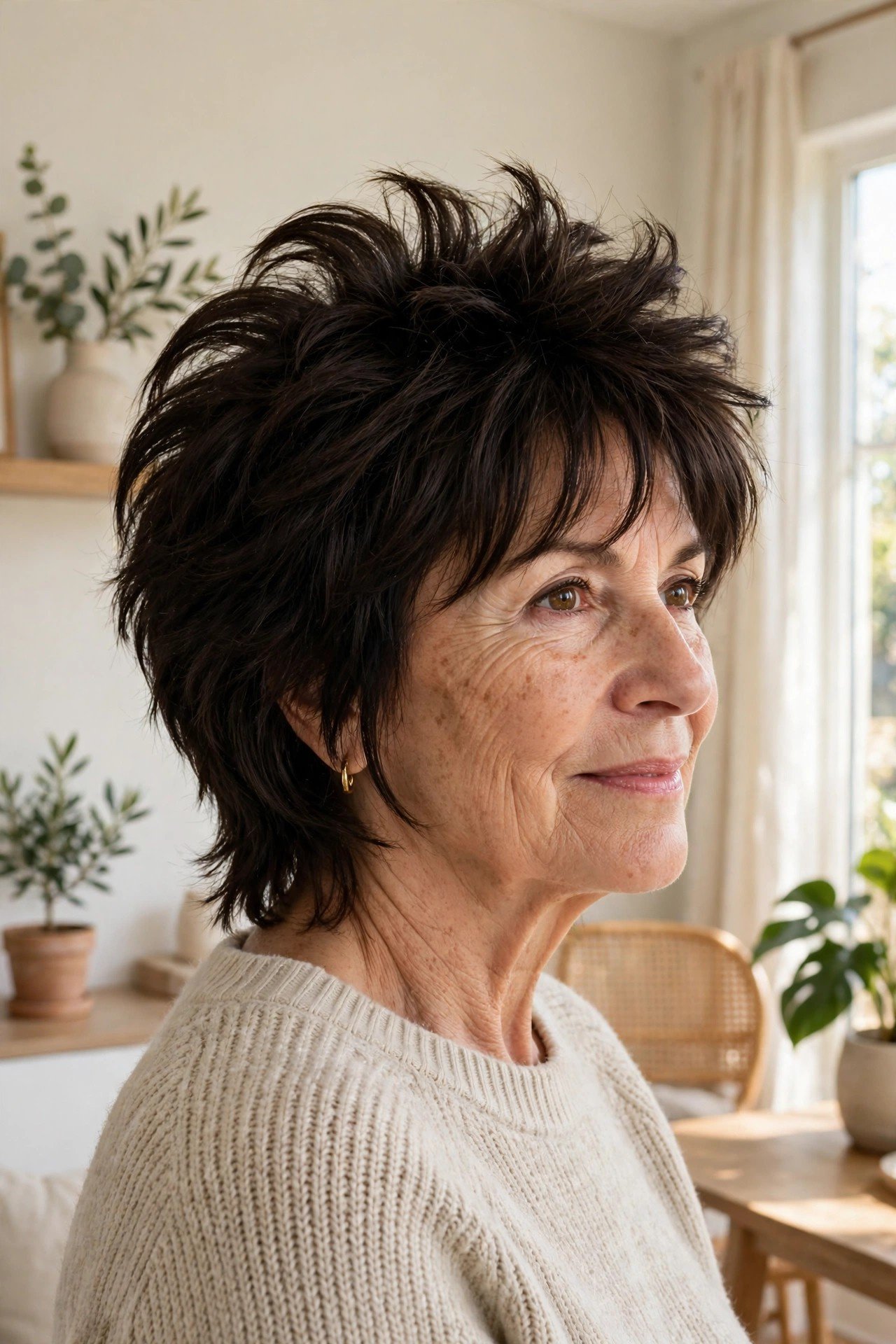
This is the boldest shape on the list, built on height.
Short stacked layers at the crown stand the top up, while the lengths below stay slimmer and tapered. The contrast is the whole point: big on top, calm underneath. It adds height for women who feel their hair sits too flat, and it photographs beautifully. The trade off is upkeep. Crown layers grow out fast and can turn spiky, so book trims closer together and keep a small round brush at home.
Keep the sides slim, so the crown reads as height, not width.
Dry the crown first, before the lengths, while it still holds lift.
Heavy wax on the crown layers, since it weighs the lift straight down.
Letting the top grow past six weeks with no trim at all.
11. The Wispy Wolf for Fine Hair
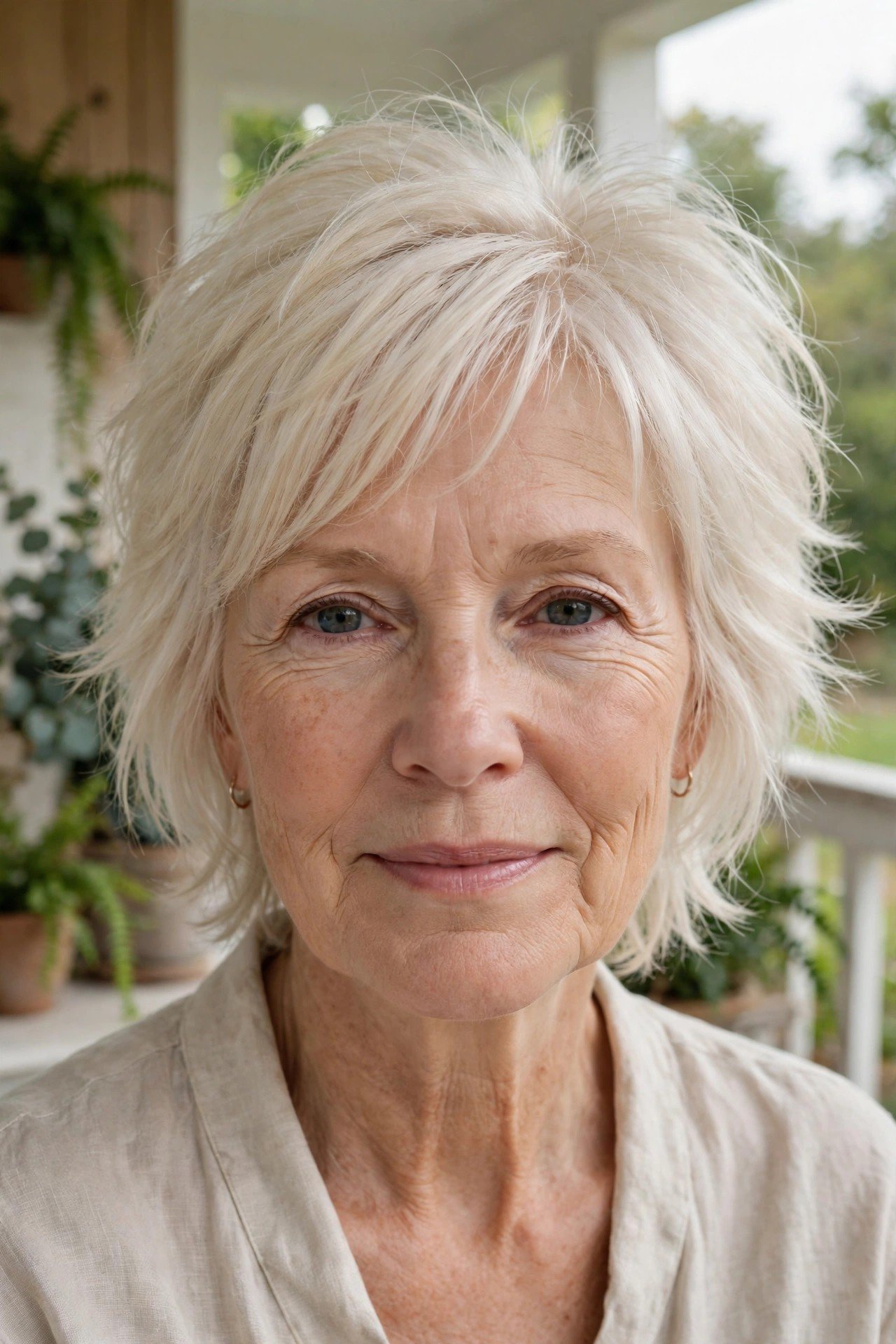
Fine hair can wear this cut. It just needs a lighter hand.
The layers are cut wispy and sparse, never chunky, so thin ends do not disappear. The crown gets short, airy pieces that lift without weight, and the back stays soft rather than stringy. Ask your stylist to point cut the ends instead of razoring them. Razors can shred fine ends and make them look thinner within weeks. Finger dry, scrunch a little, and stop touching it once it sets.
- ▸Keep layers sparse, with more space between each one
- ▸Point cut ends hold their shape longer than razored ends
- ▸Volumising spray goes at the roots only, never the ends
12. The Wolf With a Bottleneck Fringe
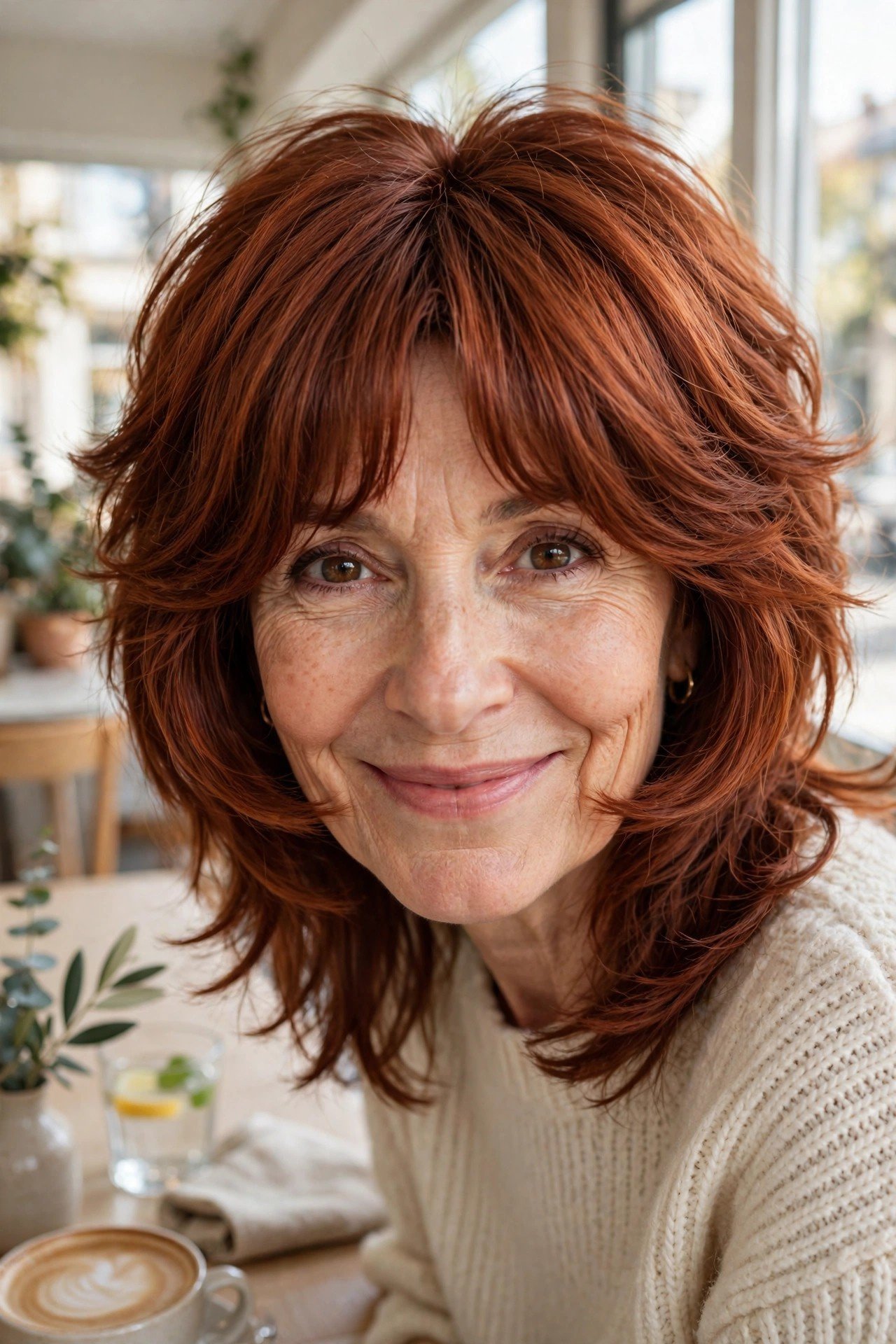
The fringe is the detail everyone asks about.
A bottleneck fringe starts narrow between the brows, then curves wider as it passes the cheekbones, like the neck of a bottle opening out. It frames the eyes first and the cheeks second, which makes it kind to fuller faces. Paired with shaggy back layers, it keeps the wolf polished enough for work. Grow out is kind too. The sides lengthen into face framing layers, so there is no awkward shelf stage.
13. The Shoulder-Length Wolf With Razor Ends
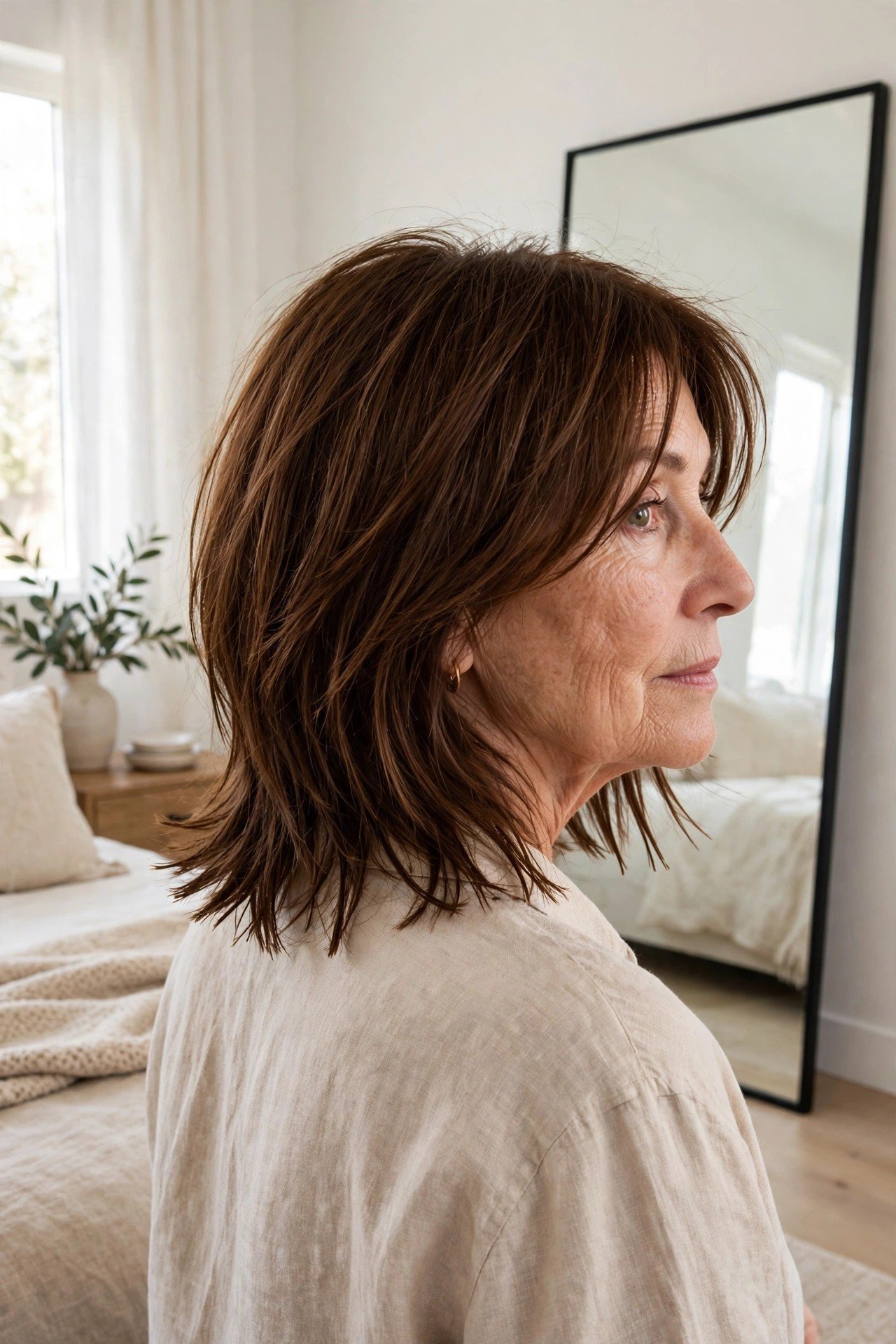
Razor cutting gives this version its edge, in the literal sense.
A razor slices the ends at an angle, so each layer lands thin, soft, and slightly separated instead of blunt. At shoulder length that separation keeps the wolf light and swingy, and the layers move as one piece when you turn your head. One caution: a razor belongs in trained hands and on hair that is not already fragile. If your ends split easily, ask for the same shape cut with scissors and point cutting.
Ask for it in these words
14. The Tame Mullet-Lite Wolf
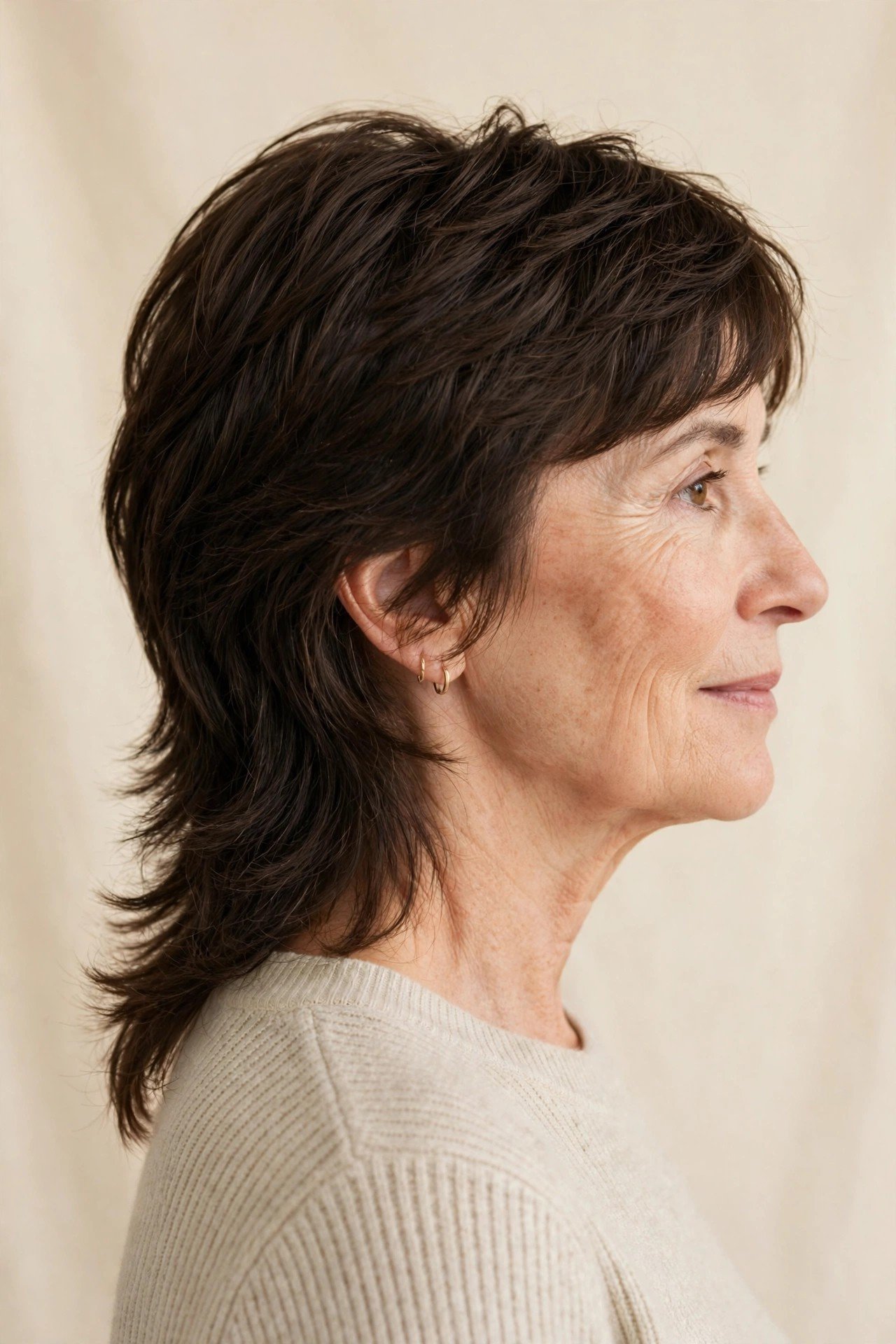
Yes, there is a wolf with a longer back. No, it does not look like the eighties posters.
The top and sides stay neat and close to classic wolf territory. Only the back keeps extra length, layered and tapered so it lies flat instead of flaring. Nobody would guess from the front. From the side, the longer back gives the cut its character. It suits women with a long neck and anyone growing out a shorter cut who wants a plan for the in-between months.
A full mullet shape can look harsh from the front and dates the whole style the second you see it.
A tame, neat top with a layered and tapered back keeps the fun at the back and the polish at the front.
15. The Side-Part Wolf

Moving your parting is the cheapest restyle on this page.
A deep side part sweeps the top layers across the forehead, which softens the shag and adds volume on the fuller side without any cutting at all. The layers underneath stay the same wolf shape. It is a kind option for a softer jawline or a forehead you would rather not put on show. Flip the part to the other side every few weeks. Hair that always falls one way can start to look thin at the parting.
Part the hair deep, roughly above the outer corner of one brow.
Dry the roots across, against the way they want to fall.
Let the top layer drop over the parting to form the sweep.
16. The Auburn Wolf With Face-Framing Layers
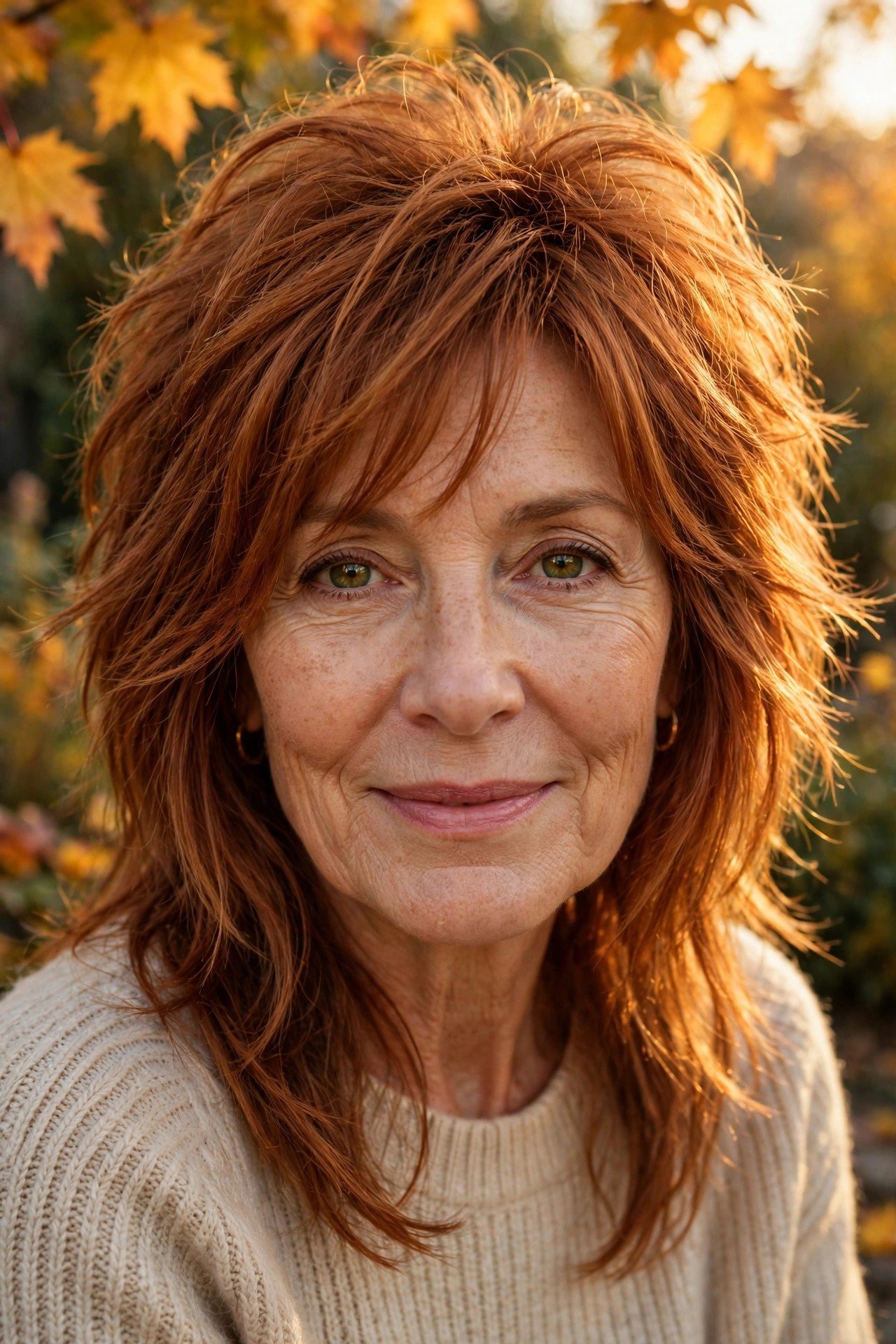
Colour does half the work in this version.
Warm auburn deepens the shaggy layers, and long pieces around the face catch the light every time you move. Ask for the framing layers to start at the cheekbone and run to the jaw, with the back kept one shade moodier if you colour at home. Auburn fades faster than brown, so the layered cut helps here too. As the colour softens, the layers keep the style looking deliberate rather than washed out.
17. The Blonde Wolf With Lived-In Roots
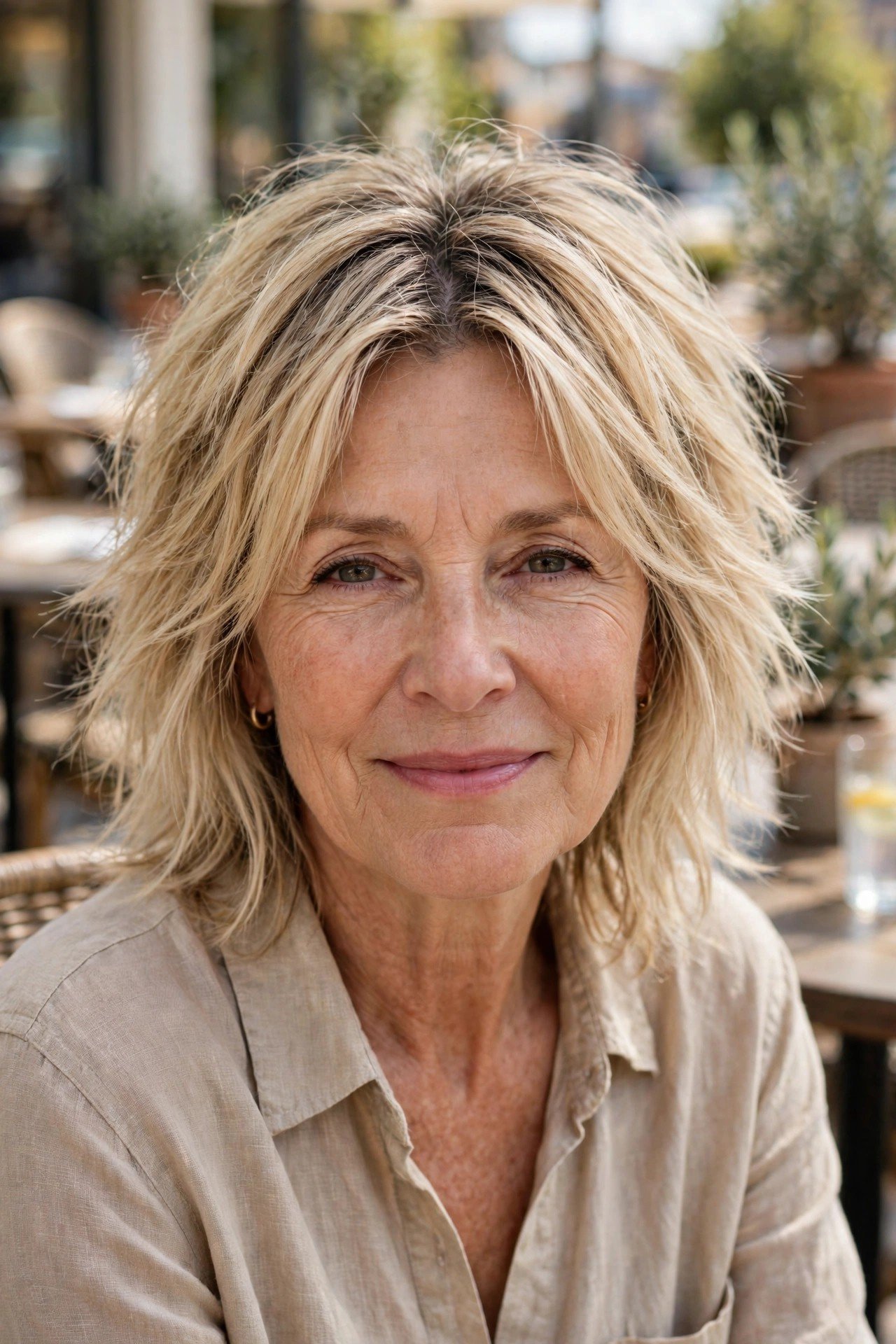
Dark roots are not a flaw in this cut. They are part of the look.
A blonde wolf with a soft shadow root grows out gracefully, because the shaggy layers blur the line where the colour changes. It also cuts your colour appointments down, since there is no hard regrowth stripe to hide. Ask your colourist to melt the root colour two or three shades deeper than the lengths. The melt, plus the layers, keeps everything blended for months. Blonde ends still need moisture, so a weekly mask is worth the habit.
💡 Quick Tip
Book the cut and the root melt for the same visit. Fresh layers show off fresh blending, and you leave with months of easy grow out ahead of you.
18. The Blowout Wolf With Big Rounded Volume
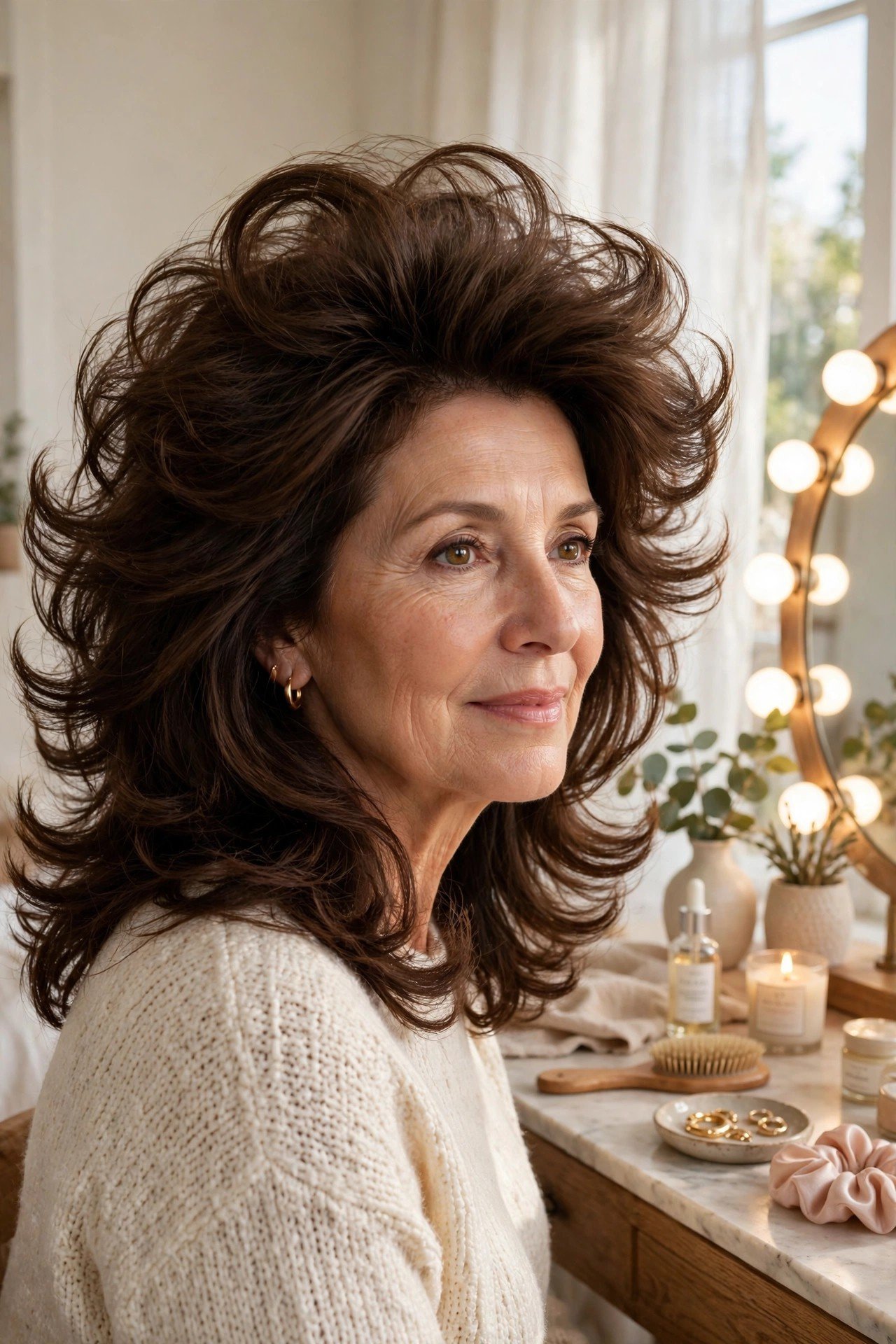
Same cut, dressed up.
A blowout takes the wolf smooth and rounded, with big volume at the crown and the ends curving out in a soft bend. The layers are what make it work: they let the hair stack into that rounded shape instead of lying flat and stringy. Use a large round brush, dry section by section, and roll each one away from your face. It is the version to pick for weddings, photos, and any day you want the cut to look expensive.
Dry in sections and let each one cool on the brush before moving on.
Finish with the cool button on the dryer for shine.
Brushing it flat once it is dry, since the round shape collapses.
Heavy oil on the crown, since it kills the lift you just built.
19. The Air-Dry Wolf for Low-Effort Mornings

Some mornings, the dryer stays in the drawer.
This version is cut to fall right on its own: layers placed where your hair naturally bends, ends left soft, and no fringe that needs daily training. Scrunch a little leave in conditioner into damp hair, twist a few pieces around your fingers, and walk away. Wavy hair does this best. Straight hair can join in if the layers are cut with enough texture to fake a bend. The honest limit: humid days will add frizz, whatever the cut.
| Air dried | Heat styled |
|---|---|
| About 5 minutes in the morning, then hands off | 15 to 20 minutes with a brush and dryer |
| Loose, piecey finish with a natural bend | Smooth, rounded finish with more volume |
| Best for errands, weekends, and travel days | Best for events, photos, and formal plans |
20. The Wolf With a Short Micro Fringe
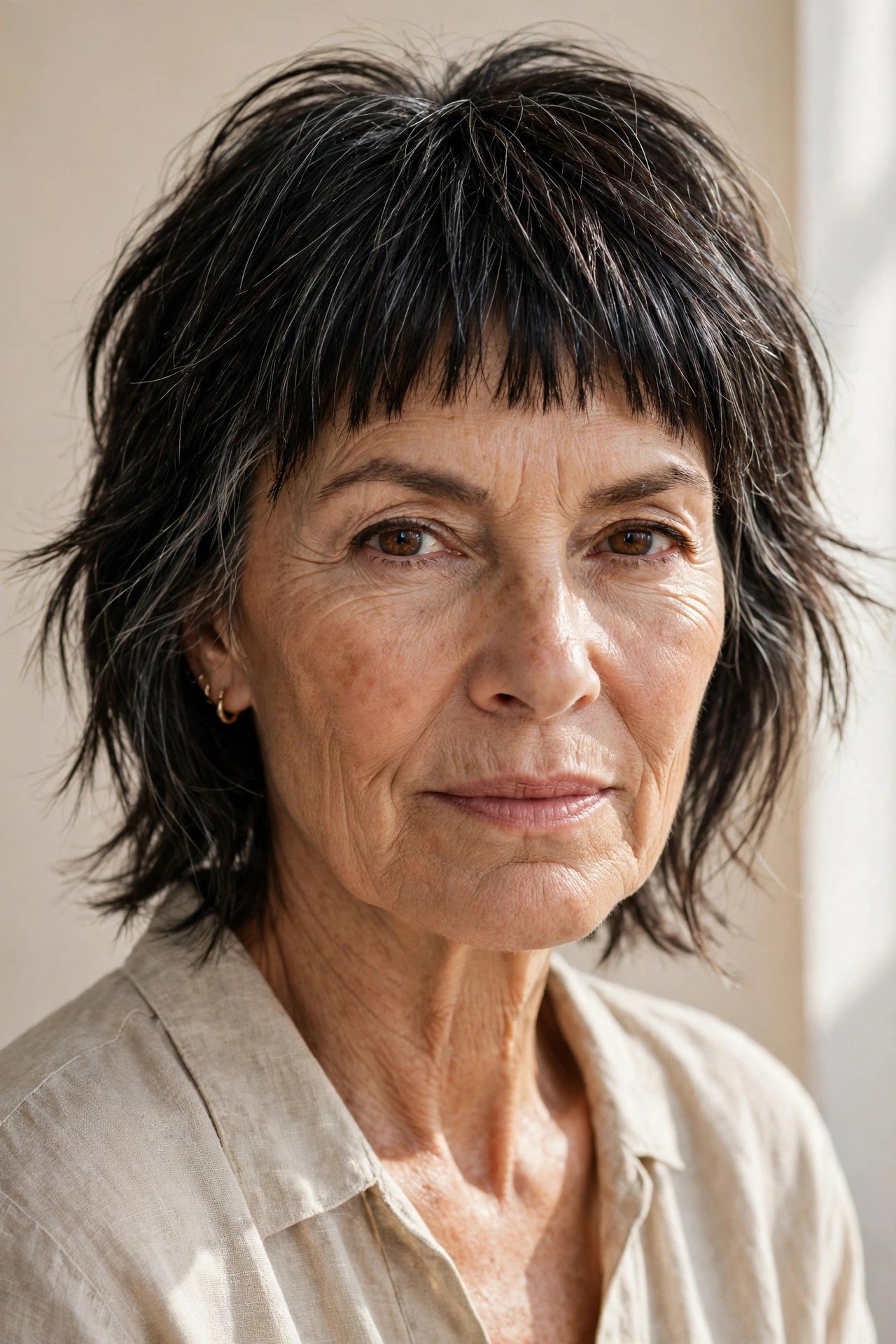
This is the one your friends will comment on.
A micro fringe is cut short, ending well above the brows, and it changes the whole balance of the wolf. The eyes take centre stage, the shaggy layers behind look even fuller by contrast, and the cut gains a fashion edge that the softer versions skip. It asks for confidence and a steady hand at trim time, since short fringes show every millimetre of growth. If you wear glasses, bring them to the appointment so the fringe is cut around the frames.
A micro fringe grows out fast. Book the fringe trim before you leave the salon, roughly three weeks out.
21. The Classic Medium Wolf
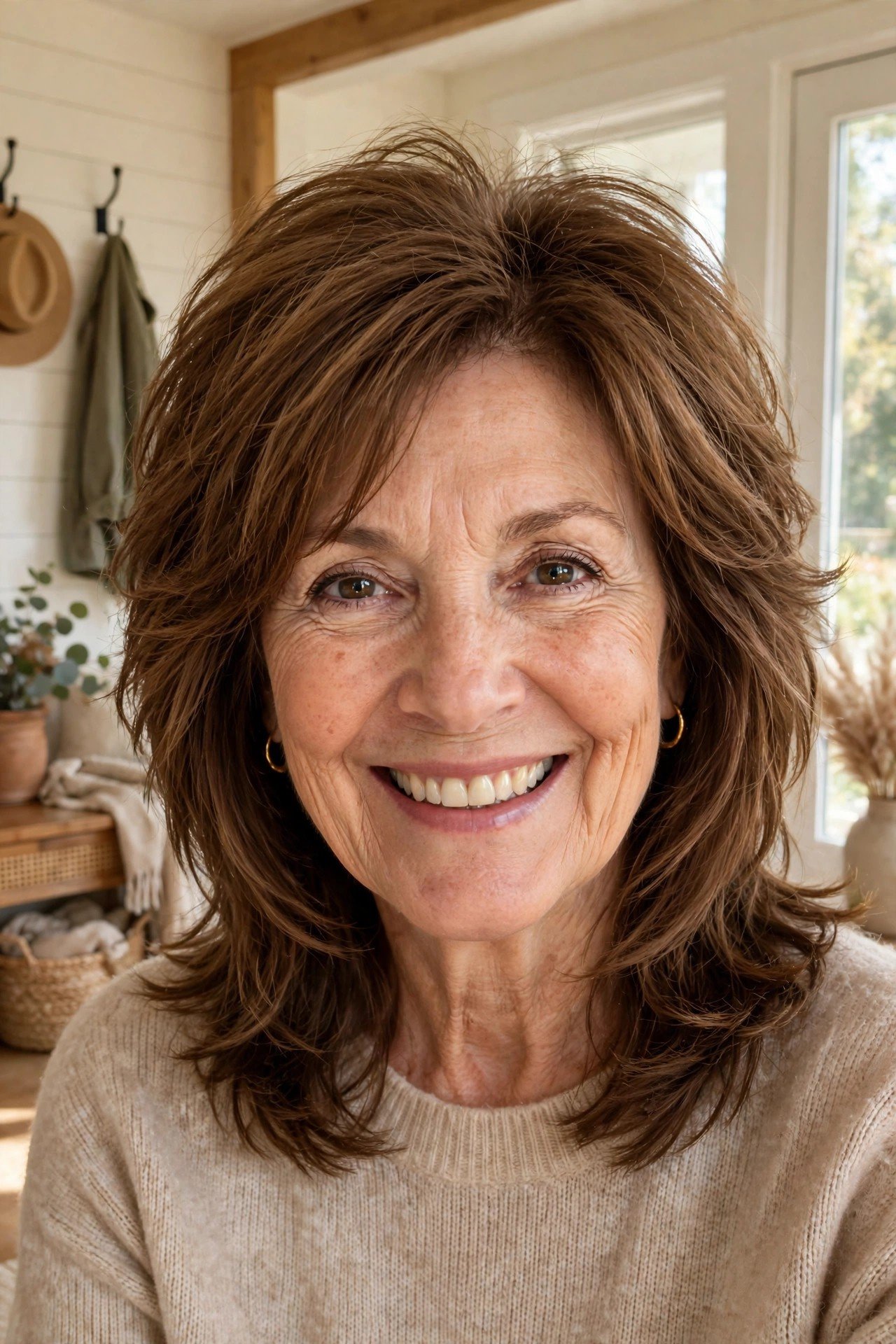
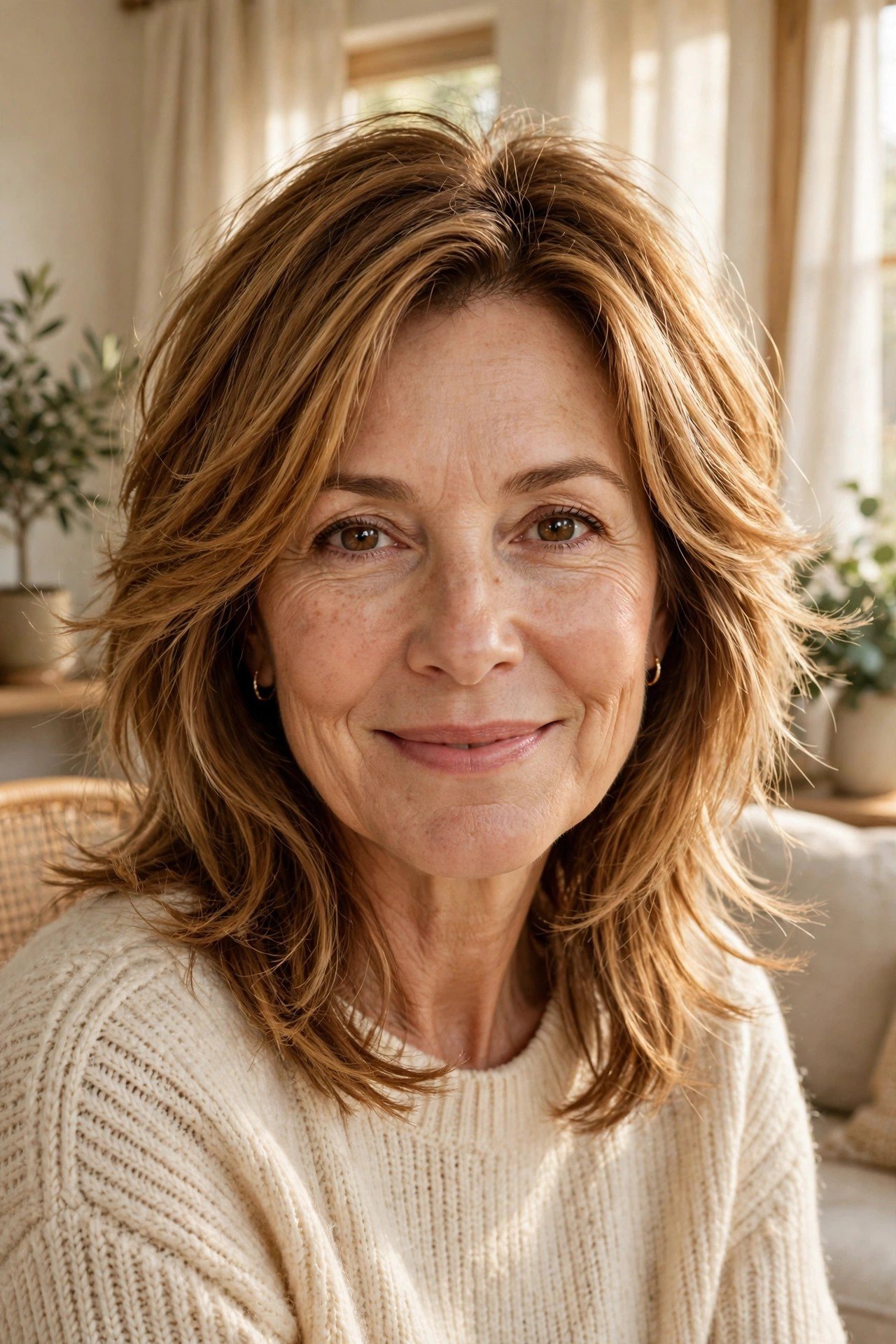
If you only show your stylist one photo from this list, make it this one.
The classic medium wolf sits at the collarbone, with balanced layers, a soft fringe or none, and nothing extreme anywhere. It is the reference version the other twenty play with. Hairdressers know it, it suits most face shapes, and it grows out kindly in every direction. From here you can go shorter, longer, or bolder at the next visit, once you know how the shape lives on you. It is the safest first try at the cut, full stop.
Your first appointment checklist
Twenty one versions, one simple truth: the wolf cut is not a costume when the balance is right. Keep the crown soft, the ends tapered, and the fringe at a length you can live with, and wolf cuts over 50 look like a choice, not a dare. Start with the classic medium or the soft feathered version if you feel unsure, and let your stylist adjust from there. Save this list before your next appointment, and bring the photos. Your stylist will thank you for speaking in pictures.