
How to Wear a Wolf Cut with Gray Hair
There is a moment in the salon chair when the stylist turns you toward the mirror and the cut suddenly looks like you again, only bolder. That is the pull of the wolf cut on gray hair. The choppy crown, the soft fringe, the longer layers down the back: it all moves, and movement is what flat, one length gray hair often loses first.
Gray strands have their own texture, often wirier and drier than the hair you had at forty, and the wolf cut suits that texture well. The layers hide wiry ends, the fringe softens the hairline, and the whole shape asks for minutes of styling, not half an hour.
Learning how to wear a wolf cut with gray hair is less about copying a photo and more about small choices. Where the length lands. How the fringe sits. Which product type your strands actually like.
Below are twelve grounded ways to wear it, from the first cut to the grow out, so the shape keeps working on real mornings, not only on salon day.
1. Start With the Right Wolf Cut Shape: Short Crown, Longer Back

The wolf cut fails when it turns into a plain shag with a new name.
Ask for the real structure instead. Gray hair shows every layer line, so the blend matters more than the drama. Point to the exact spot where you want the back to end, and keep the top full while the ends stay light.
- Short, choppy layers through the crown
- Length kept down the back, past the nape
- Feathered pieces framing the face
2. Choose Your Length: Collarbone Keeps It Soft and Easy

Length decides the mood of this cut more than anything else. A shorter wolf cut, ending near the jaw, reads bold and lifts the face. Collarbone length reads softer, and it is the easiest version to grow, style, and tie back on busy days.
- Jaw length: strong features, fine hair
- Collarbone: most face shapes, first wolf cut
- Below shoulders: thick hair, patient growers
Most women over fifty land happiest at the collarbone.
| Shorter: Jaw to Chin | Longer: Collarbone and Below |
|---|---|
| Mood: bold, lifted, more edge | Mood: soft, relaxed, easier to dress up |
| Upkeep: trims come around sooner | Upkeep: more forgiving between visits |
| Best on: fine to medium hair | Best on: medium to thick hair |
3. Pick a Fringe That Frames Your Face Instead of Hiding It

Rule of thumb: the fringe should open your face, not curtain it off.
A curtain fringe, parted in the middle and sweeping to the cheekbones, suits most gray wolf cuts because it blends straight into the side layers. Wispy full bangs work too, cut a little longer than you think, since gray strands spring up when they dry. Heavy, blunt bangs are the risky pick. They fight the shaggy layers and can sit like a shelf above them.
💡 Quick Tip
Ask your stylist to cut the fringe dry, and a finger width longer than the goal. Gray hair often dries shorter than it looks wet, and a dry cut shows the true landing spot.
4. Build Volume at the Crown Before You Touch the Ends

Flat crown, busy ends: that is the order most of us style in, and it is backwards for this cut. The wolf cut reads well only when the top stands up a little.
Work on damp hair. Dry the crown first, pushing the roots up and slightly forward with your fingers, then let the longer back layers fall where they want. The ends need almost nothing, a scrunch and a minute of air. Spend your effort where the eye lands first.
Towel dry until hair is damp, not dripping.
Dry the crown upward with fingers or a small round brush.
Scrunch the back layers once, then leave them alone.
5. Use Texture Products Gray Hair Actually Likes

Gray strands are often coarser and thirstier than pigmented hair, and heavy wax can turn them dull and stringy within the hour.
Lighter types behave better. A pea sized amount of styling cream through the ends adds separation without weight. Volumizing mousse at the roots gives the crown its lift. A light texture spray on day two revives the piecey look. Oils belong on the last inch only, where dryness lives.
Cream on the ends, worked through with fingers.
Mousse at the roots before drying.
Heavy wax through the whole head.
Oil near the crown, where it flattens lift.
6. Dress It Up: Smooth the Sides, Keep the Back Soft

The same cut that looks relaxed at the market can look polished at dinner with about four minutes of work.
Smooth the side pieces with a flat brush and a warm dryer, then tuck them behind your ears. Leave the crown textured and the back layers loose, so the shape stays a wolf cut and does not turn into a helmet. A drop of shine serum pressed over the top finishes it without stiffness.
Day hair: air dried, fluffy sides, fringe doing its own thing.
Evening hair: sides smoothed and tucked, crown still textured, one drop of shine serum on top.
7. Let Casual Days Be Truly Casual: The Wash and Wear Way

Sunday morning, coffee on the porch, nowhere to be: this cut was made for that.
Wash, work a little cream through the ends, scrunch twice, and walk away from the mirror. The shaggy layers hide uneven drying, and the fringe falls into place as it dries. If one side misbehaves, wet only that side and scrunch again. Whole head restyles are rarely needed. By noon it usually looks better than it did at nine.
The five minute morning
8. Pair It With Glasses: Fringe Above the Frames, Layers Clear of the Arms

Glasses and a fringe argue in two places: the brow line and the ear pieces.
Keep the fringe ending just above the top of your frames, so the two lines do not stack. Ask for the side layers to start behind the ear piece, or tuck them, so the arms of the glasses stay free. Bold frames suit this cut well. The shaggy shape holds its own next to a strong frame instead of vanishing.
- ▸Fringe stops a finger width above the frames.
- ▸Side layers start behind the ear pieces.
- ▸Temple tips stay visible, not buried in hair.
- ▸Bold frames balance the shaggy outline.
9. Match the Layers to Your Face Shape

The wolf cut is a frame, and small shifts in the frame change what the eye notices.
Round faces gain length from a lifted crown and front layers that fall past the jaw. Long faces do better with a fuller fringe and less height on top. Square faces soften when the cheek pieces are wispy rather than blunt. Oval faces can wear nearly every version, so the choice comes down to length and fringe.
10. Grow It Out Gracefully When You Are Ready for a Change
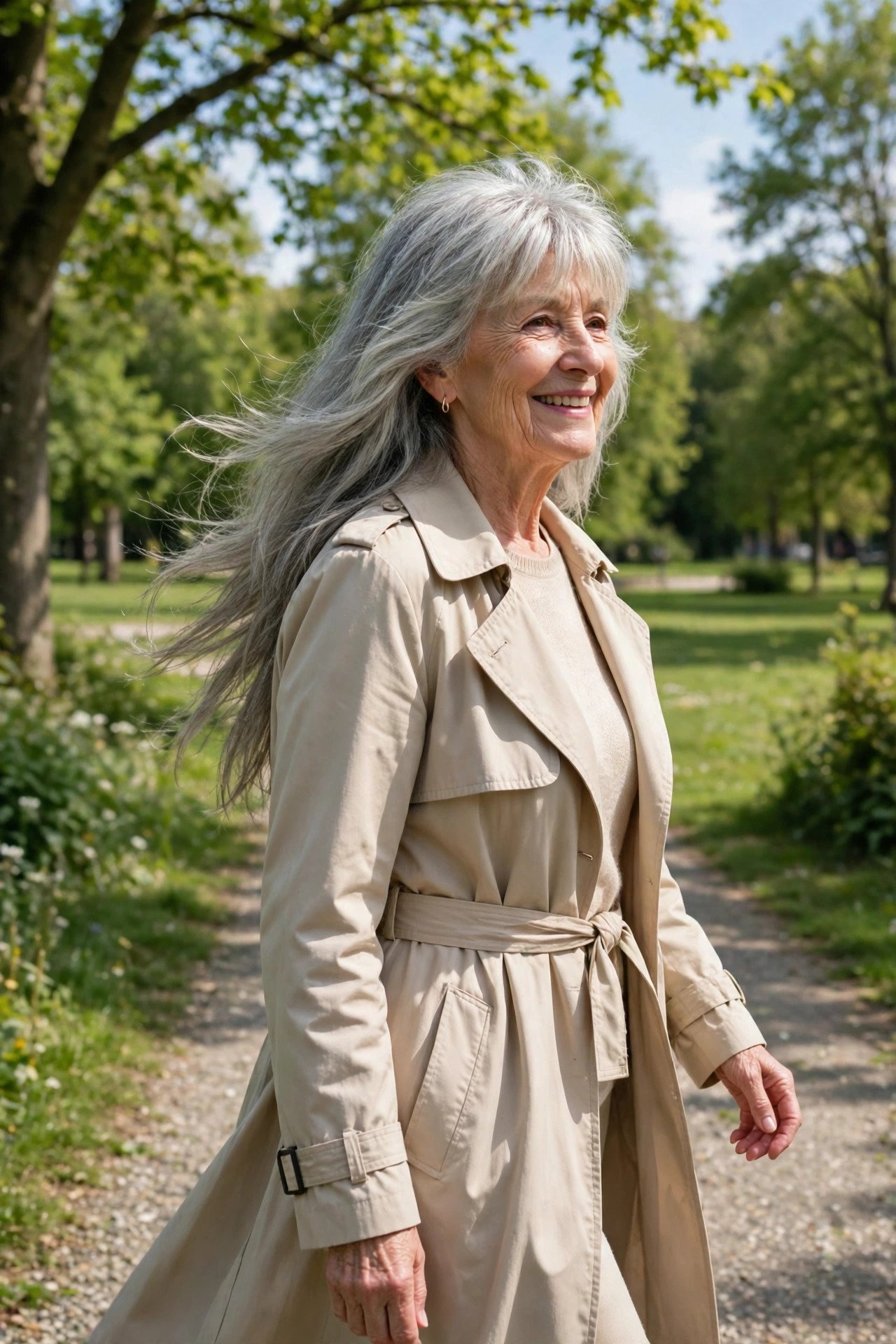
The grow out myth says a wolf cut turns feral by month three. It does not, if you trim the right parts.
Let the back keep its length and only clean the ends. Shorten the crown layers less and less at each visit, so the top slowly catches up with the back. The fringe grows into face framing layers on its own. In about two trims, you have a long shag, and from there almost any cut is open to you.
⚠️ Watch Out
Skipping trims entirely is the one move that does turn shaggy into scraggly. Grown out ends split and fuzz, so keep the clean up visits and only change what gets cut.
11. Keep the Shape With Small, Regular Trims
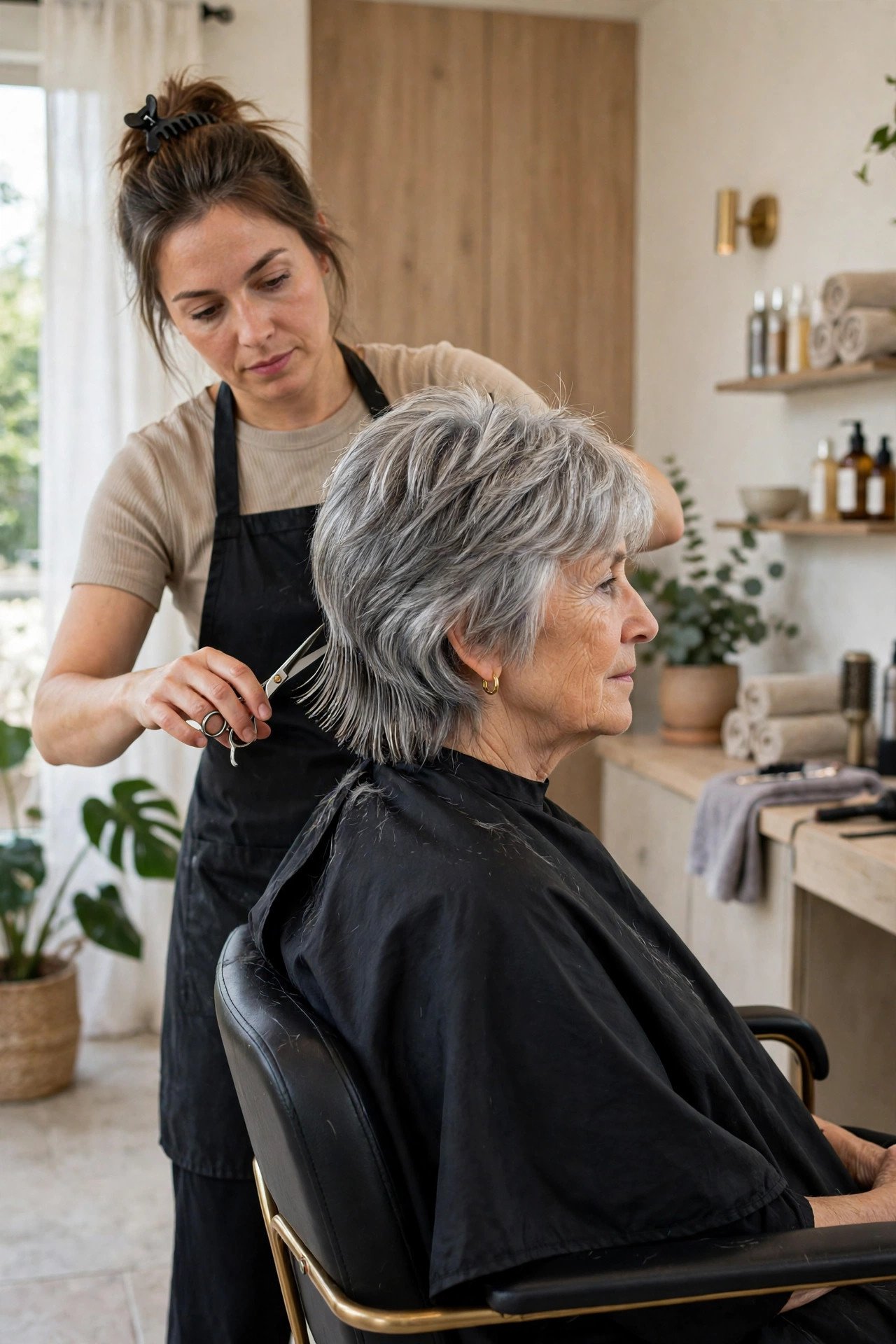
This cut keeps its shape on a schedule, not on hope.
Most wolf cuts want a tidy up every six to eight weeks: the crown reshaped, the fringe trimmed, the back ends cleaned. Between visits, the cut should still behave. If week three already looks heavy on top, tell your stylist, since the crown layers were likely left too long. Small trims cost less time in the chair than one big rescue cut.
Book the next trim before you leave the salon. A wolf cut held on schedule never needs rescuing, only tidying.
12. Wear It Like You Mean It: Outfits and Confidence

A wolf cut has presence, and clothes either back it up or fight it.
Open necklines, collars, and scarves show the longer back layers instead of burying them. Simple tops let the hair carry the interest, while one bold piece, a long coat or strong glasses, matches its energy. Most of all, wear it settled. Fussing and flattening it all day reads unsure. Scrunch it in the morning, then forget it and get on with your day.
A wolf cut on gray hair is not a young person’s cut borrowed for a season. Worn with the right length, a fringe that opens your face, and a few minutes of crown first styling, it suits the texture and the silver you already have. Start with the shape, keep the small trims booked, and let casual days stay casual. If you are still deciding, save this guide for your next salon visit and show your stylist the sections that match your hair. The right version of how to wear a wolf cut with gray hair is the one you can repeat on an ordinary Tuesday.