22 Haircuts for Round Faces Over 50 That Add Definition
A rounder face after 50 is not a problem to fix. It is a shape to work with, and the right cut does most of the work for you. Soft cheeks and a gentle jawline look lovely with hair that adds a few angles, a little height, and some length where it counts.
The trouble usually starts with the usual advice. A chin length bob that curves under. A blunt fringe cut straight across. Layers that puff out at cheek level. Each one adds width right where you want less of it, and each one is still handed out as the safe choice.
This list of haircuts for round faces over 50 takes the opposite route. Every cut below builds a longer line, draws the eye up or down instead of out, and gives your face clearer edges. Some are short and neat. Some fall well past the shoulders. All of them suit real hair, real mornings, and a real life that does not allow an hour with a dryer.
1. Long Layers That Start Below the Cheekbones
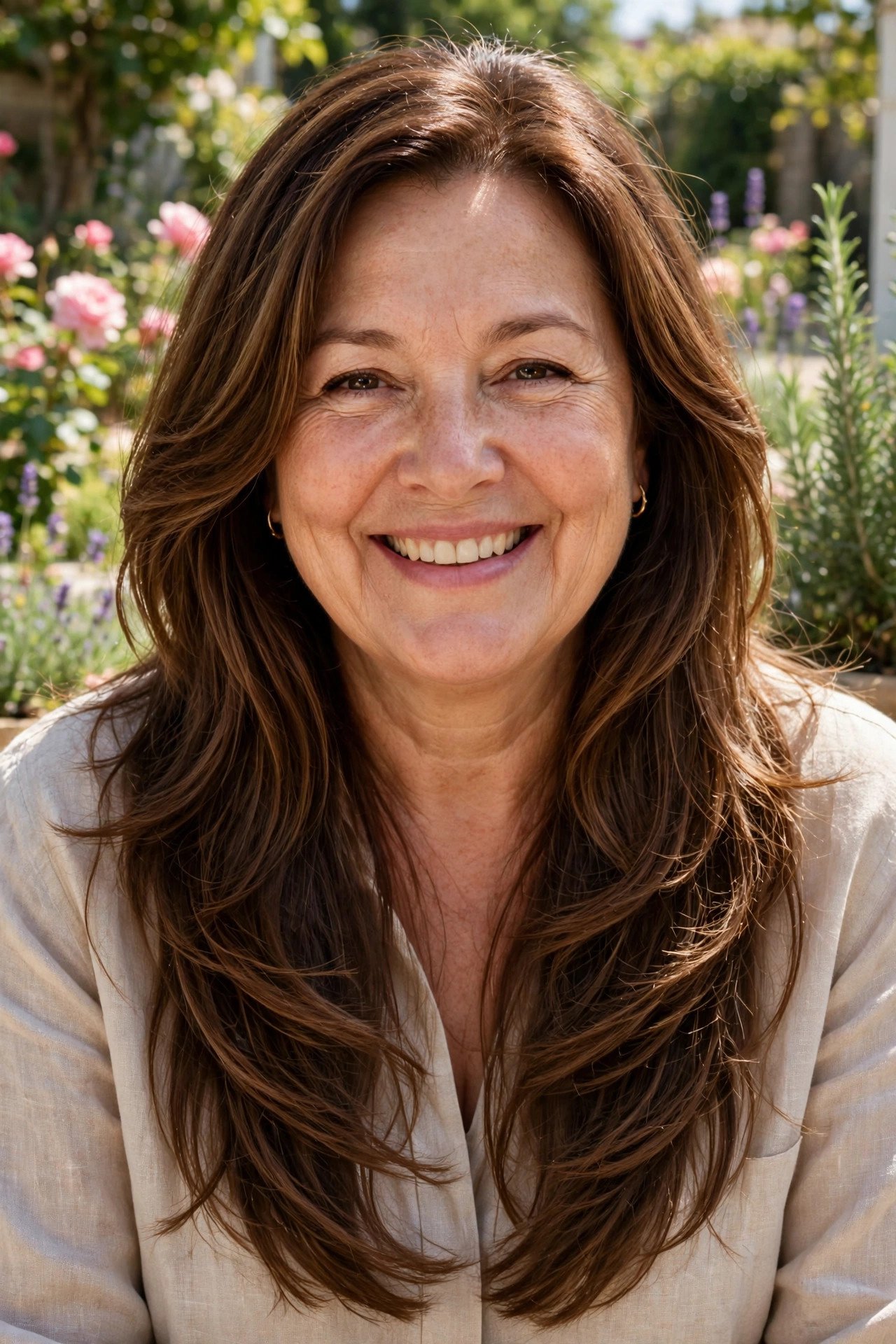
Length does the slimming here, and layers placed low keep it that way.
Ask for layers that begin under the cheekbones, around chin level or lower. Hair that stays full and smooth through the cheek area lies flatter against the face, so cheeks look narrower. The layers lower down add swing at the ends, and that movement pulls the eye downward. Worn straight or with a soft bend, the whole outline reads longer than it is wide.
- First layer at chin level or below
- Ends kept full, never thinned to wisps
- Middle part or a part just off center
2. A Deep Side Part With a Soft Sweeping Fringe

Symmetry is what makes a round face read round. A deep side part breaks that balance in one move.
The part sits well off center, above the outer corner of one brow. From there, the front section sweeps down across the forehead at an angle and lands near the opposite cheekbone. That diagonal line cuts across the round outline and gives the eye a longer path to follow. The rest of the hair can stay simple, a bob or a shoulder length cut, since the part and fringe do the shaping work.
Blow dry the fringe away from the part first, then let it fall across. It settles into the sweep on its own.
💡 Quick Tip
Train a new part for a week. Hair that has sat in the middle for years will try to creep back during the first few washes. Pin the sweep in place while it cools after drying, and the part learns faster.
3. The Angled Bob, Longer at the Front
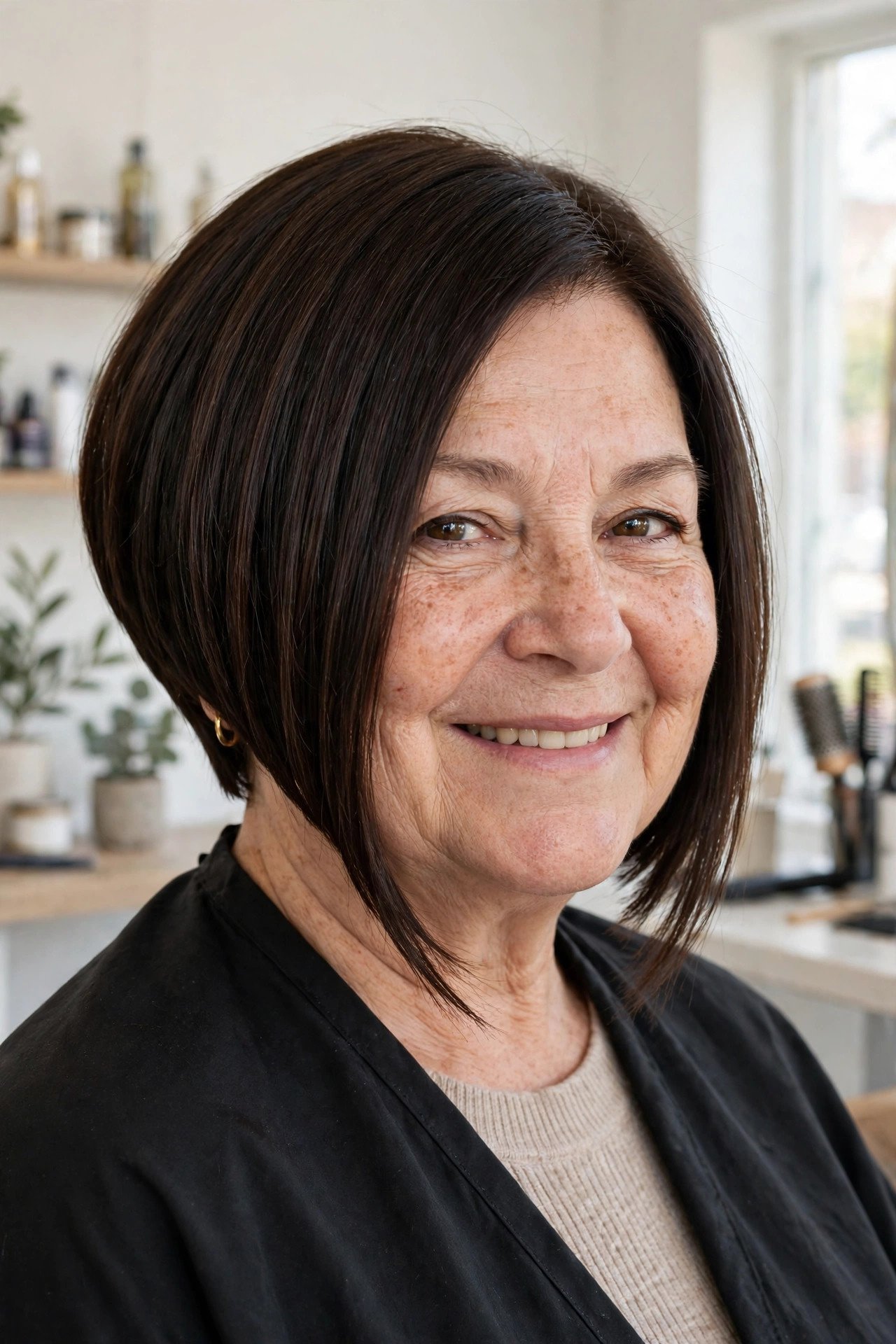
The front points of this bob fall below the chin, and that one detail changes how the whole face reads.
The back is cut shorter at the nape, and the sides travel forward and down so the longest pieces land under the jaw. Those front points draw two long lines beside the face, and the eye follows them down. Cheeks sit inside the lines instead of pushing past them. The angle also shows off the jaw, which gives a round face a clearer edge at the bottom.
- Back at nape length, front below the chin
- A clear angle, not a gentle slope
- No curling under at the front
4. The Pixie With Height at the Crown

Short hair can suit a round face well, as long as the height goes up instead of out.
The sides stay close and tapered, and the top keeps enough length to lift. That lift adds inches to the top of the head, and the face below it reads longer. Keep the fringe short or swept to one side so the forehead stays open. A round pixie fails when the sides puff out at ear level, since that adds width at the widest point of the face.
Five minutes with a dryer and your fingers is all the styling this cut asks for.
Dry the top upward, lifting the roots with a small brush or your fingers.
Push the front slightly to one side while it cools, so the lift holds an angle.
Smooth the sides down flat with your palms to keep the width off the ears.
5. Face-Framing Pieces That Begin Under the Chin
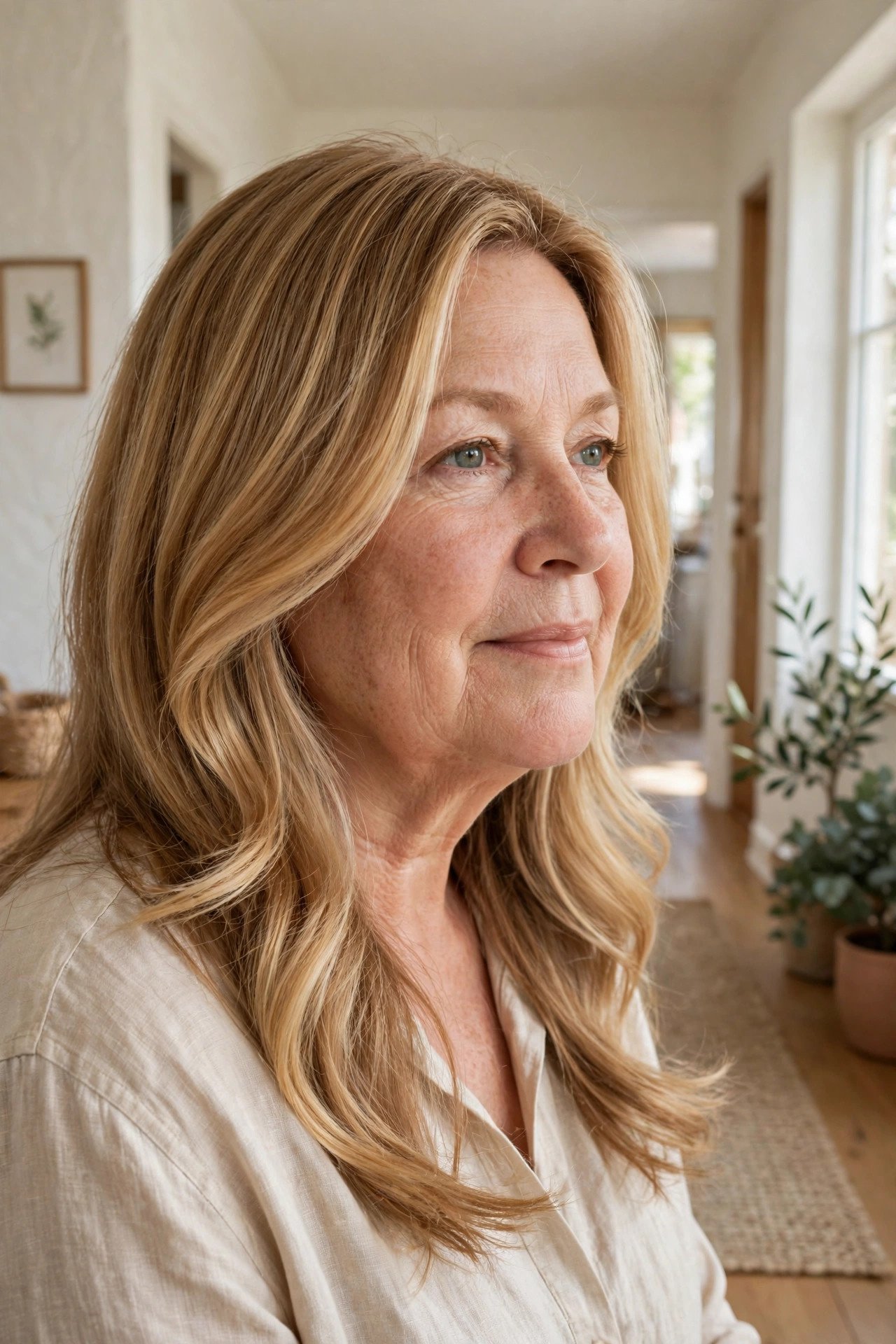
A face frame does not have to start at the cheeks. On a round face, it works better when it starts lower.
Long hair with the first short piece at chin level or below keeps the area beside the cheeks smooth and close. The shorter pieces then step down along the front, like a slow staircase, and each step pulls the eye further down. Hair that is cut short beside the cheek does the opposite. It springs out, adds a shelf of width, and makes the face look wider at its widest point.
Ask for the first piece to graze your chin, never your cheekbone.
Start the first framing piece at the chin or lower.
Keep the hair beside the cheeks smooth and close.
Cutting the first piece at cheekbone height.
Short layers that spring out beside the cheeks.
6. A Soft Shag With Long Curtain Bangs
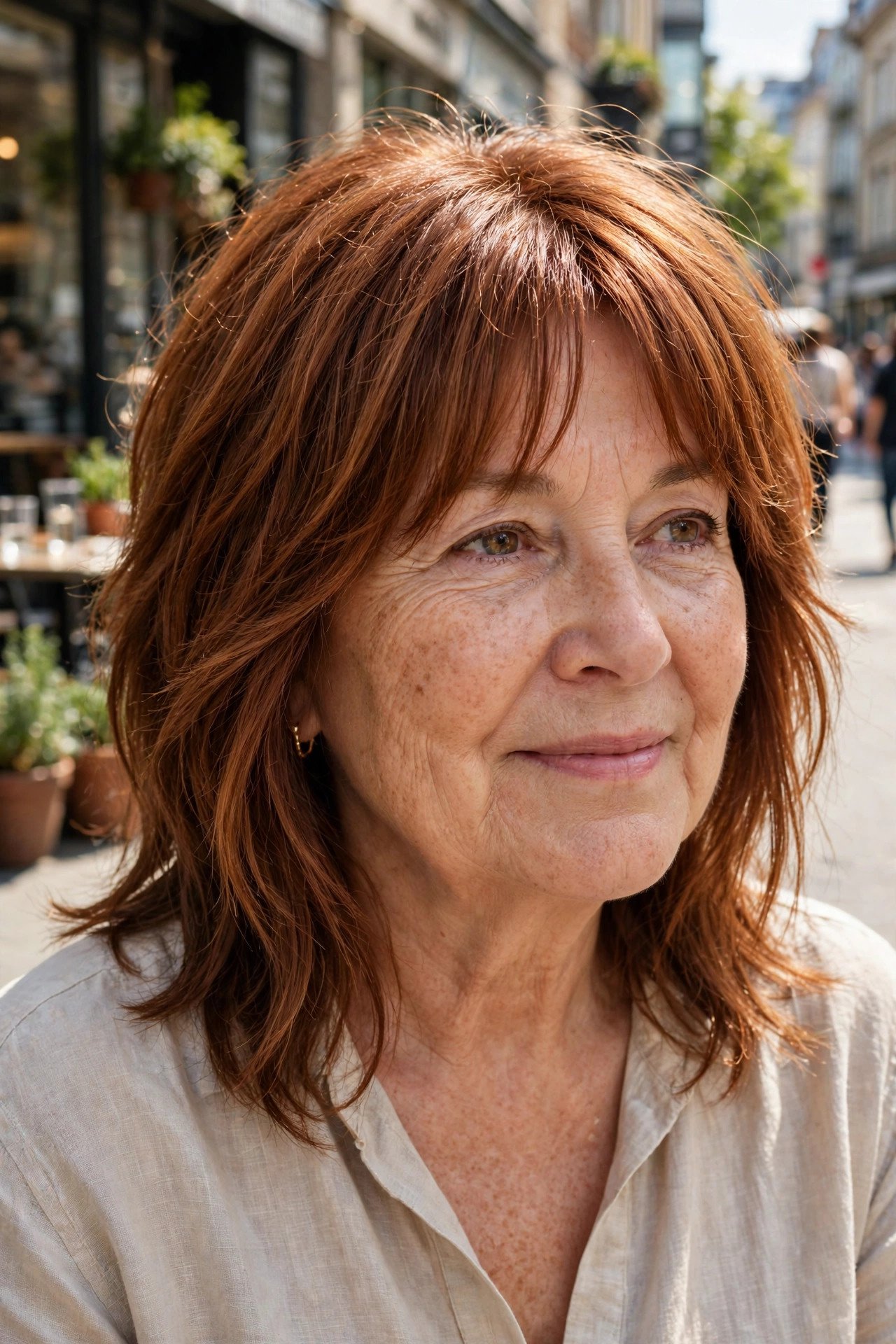
Wispy ends, layers through the back, and a fringe that splits in the middle and sweeps down both sides.
The curtain fringe opens the forehead in a narrow upside down V, and the two sides fall along the cheeks like curtains. Those falling lines cover the widest part of the face with hair that moves down, not out. The shag layers sit mostly through the back and the ends, so the sides stay fairly smooth. It is a kind cut for women who like some softness around the face but cannot wear bulk at cheek level.
Dry the fringe forward first, then push each side back so it opens on its own.
Ask your stylist for
7. The Asymmetric Bob With One Side Tucked

One side falls longer, the other side tucks behind an ear, and the mismatch is the whole point.
A round face looks rounder when both sides of the hair match. This bob refuses to match. The longer side drops below the jaw and gives one long line. The shorter side tucks back, which opens the cheek and shows the ear and jaw on that side. Your eye keeps moving between the two sides instead of tracing a circle, and the face reads less round because of it.
Swap the tucked side on days when you want a change. The cut allows it.
Matching sides make a circle. One longer side breaks it.
8. A Sleek Lob With Blunt Ends
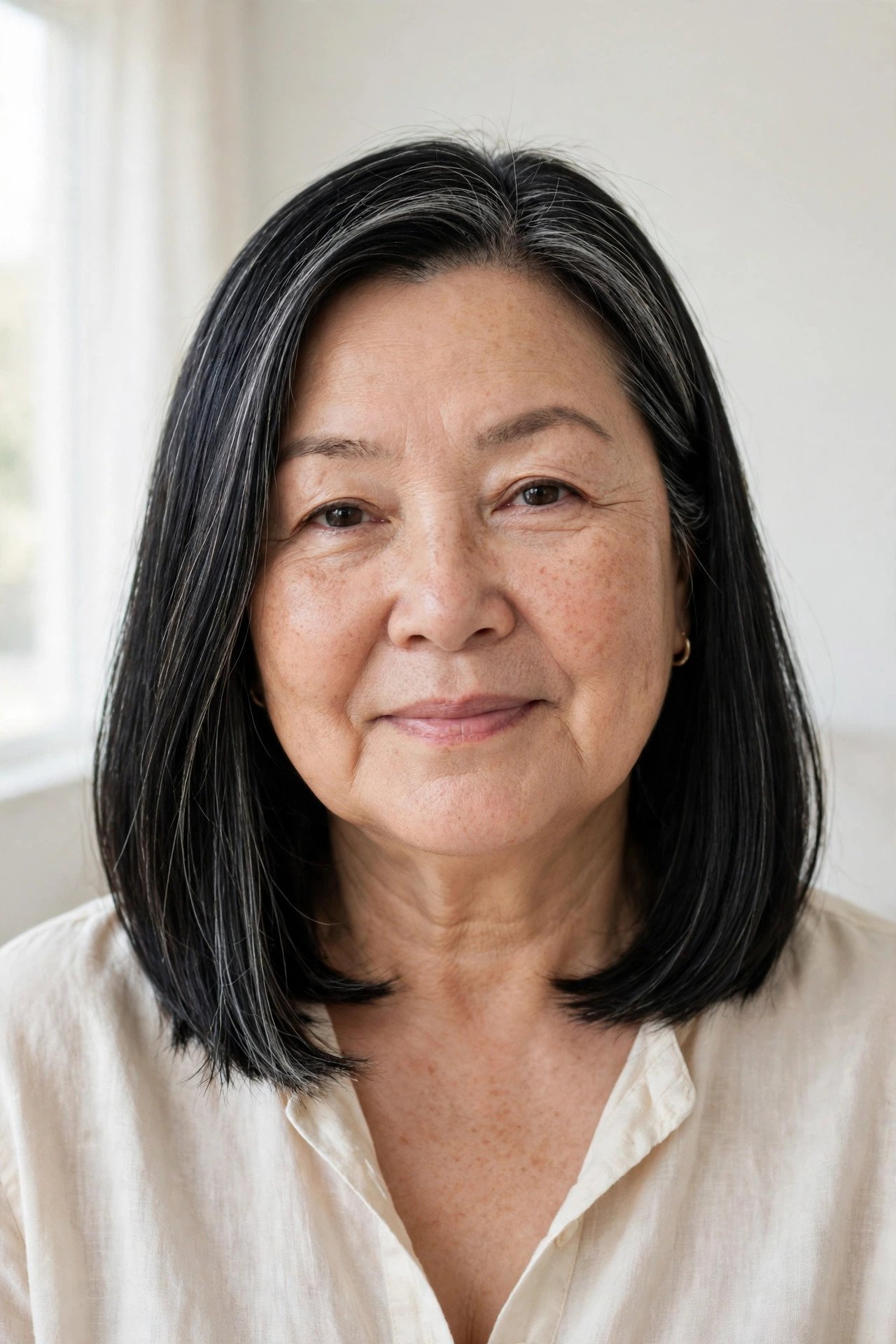
Rule of thumb: if the ends stop at the collarbone and stay blunt, the face above them looks longer.
A lob gives a round face a long, calm frame. The blunt ends hold one clean line at the bottom, with no layers flipping out at the cheeks. Worn smooth with a soft bend through the ends, the hair hangs in two straight curtains that pull the eye down. This is also a kind cut for thinner hair, since blunt ends make the bottom edge look fuller.
Keep the part just off center. Dead center can split a round face into two matching halves.
| Chin length bob | Collarbone lob |
|---|---|
| Ends stop at the jaw and often curve under. | Ends stop at the collarbone in one blunt line. |
| Width lands right at cheek level. | Length pulls the eye downward instead. |
9. A Textured Pixie With a Long Side Fringe
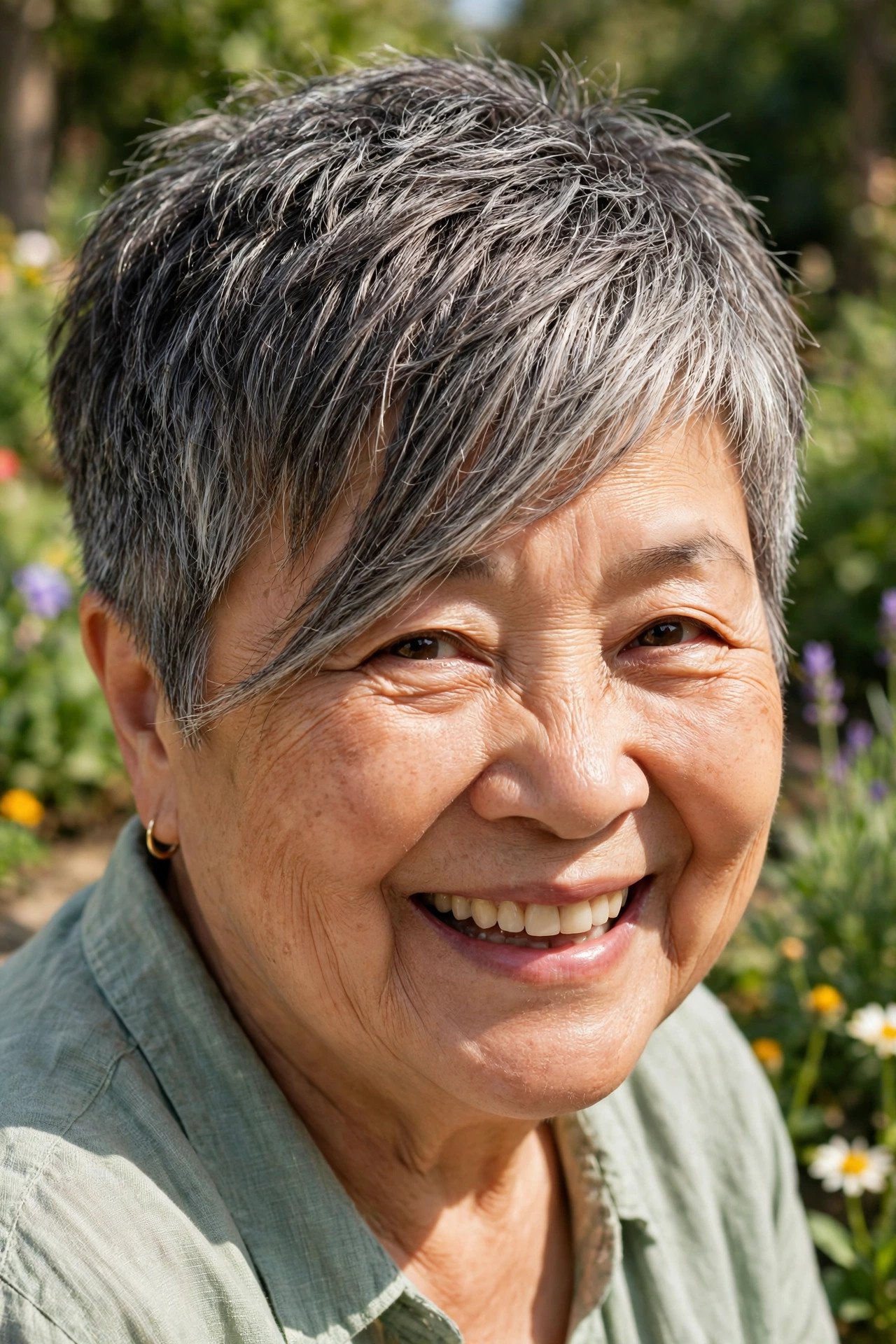
A short fringe cut straight across is one of the fastest ways to make a round face look wider.
This pixie keeps its fringe long and sweeps it across the forehead on a diagonal. The diagonal covers part of the forehead, breaks the round outline at the top, and lands softly near one temple. The back and sides stay textured and close, with choppy ends that keep the shape light. It reads modern and soft at the same time, and it grows out gently between trims.
Let the fringe fall where it wants on day two. The softer sweep often looks better than the fresh salon one.
A short fringe straight across, with the sides puffed at ear level. The outline reads round and wide.
A long fringe swept on a diagonal, with close textured sides. The outline reads longer and softer.
10. Feathered Mid-Length Layers That Move Away From the Face
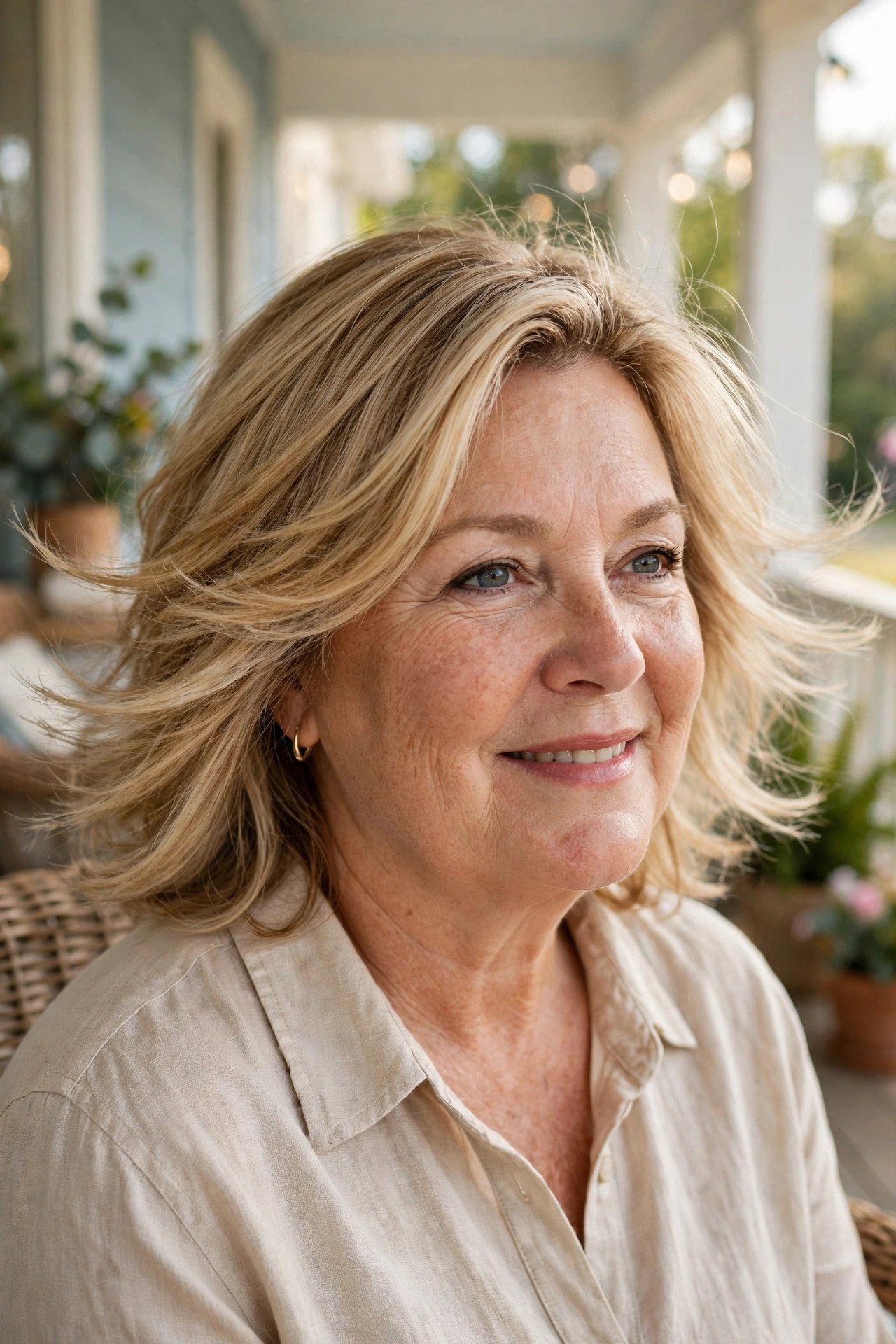
In most photos, hair that falls forward onto the cheeks makes a round face look rounder.
Feathered layers are cut so the ends flick back and away, and the blow dry follows the same path. Hair sweeps off the forehead, curves out slightly, and lands behind the cheek line. The face stays open, the jaw shows, and the outline gains length. This style has been around for decades because it flatters almost every face, and on a round face the backward sweep does real shaping work.
A large round brush and two minutes per side is the whole routine.
- ▸Dry each side back and away from the cheek.
- ▸Let the ends cool in the swept position before you touch them.
- ▸A side part deepens the sweep on one side.
11. Shoulder-Length Layers With Side-Swept Bangs

Shoulder length is the safe middle ground for a round face, long enough to slim, short enough to stay bouncy.
The layers run through the lower half of the hair, so the top and cheek area stay smooth. The bangs sweep to one side and melt into the first layer, which puts a long diagonal across the top of the face. Nothing sits at cheek level for long, and the ends move when you move. It suits women who want length without the weight of very long hair.
- Layers in the lower half only
- Bangs long enough to tuck behind an ear
- Ends at the shoulders or a touch below
12. A Tapered Crop With Lift at the Front
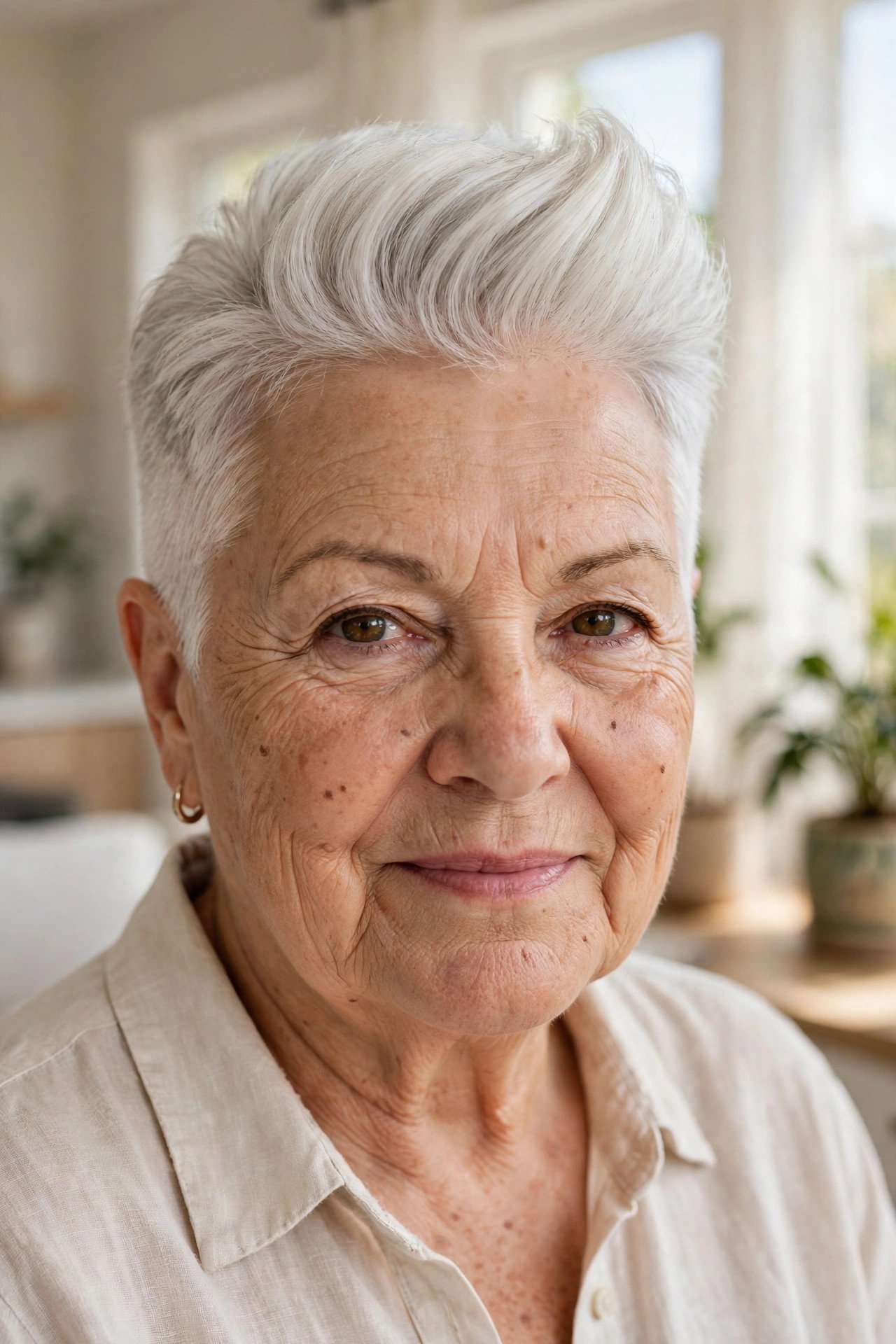
The lift sits at the front hairline, and it pulls the whole face upward with it.
This crop keeps the back and sides tapered short, then leaves the front longer so it can stand up and brush back. The tall front adds length at the very top of the head, and the short sides keep the width down. It is a neat, tidy cut that still has some play in it. Women with glasses often like it, since the lifted front balances strong frames well.
Dry the front upward while it is damp. Once it dries flat, it stays flat.
📌 Good To Know
Keep the sides close at every trim. If the sides grow out to ear level between cuts, the width comes back and the lift stops reading as height.
13. Long Hair With Hidden Interior Layers

From the front, this hair looks one length. The shaping is tucked inside, where nobody sees it.
Interior layers are cut into the under sections of long hair while the top layer stays long and smooth. The inside layers take out weight low down, so the ends swing and move instead of hanging in one heavy sheet. The smooth surface keeps the cheek area calm and flat, and the movement at the bottom draws the eye down. It is a good route for women who love long hair but find one length styles drag beside a round face.
Ask your stylist to layer the under sections only.
Layer the under sections and keep the top layer long.
Keep the surface smooth at cheek level.
Layering the top layer at the cheeks.
Thinning the ends until they look wispy and weak.
14. A Wavy Lob With a Deep Side Sweep

All the hair travels to one side, and the waves begin low, below the cheeks.
The deep part sends the top section across the forehead and down one side in a long sweep. The bare side sits flatter and closer, which slims that side of the face. Waves that start at jaw level or lower keep their width low, away from the cheeks. The mix of one flat side and one wavy side gives a round face an uneven, longer outline.
Set the sweep with a clip while you do your makeup. It holds the shape for hours.
What you need at home
15. A Choppy Bob That Ends Below the Jaw
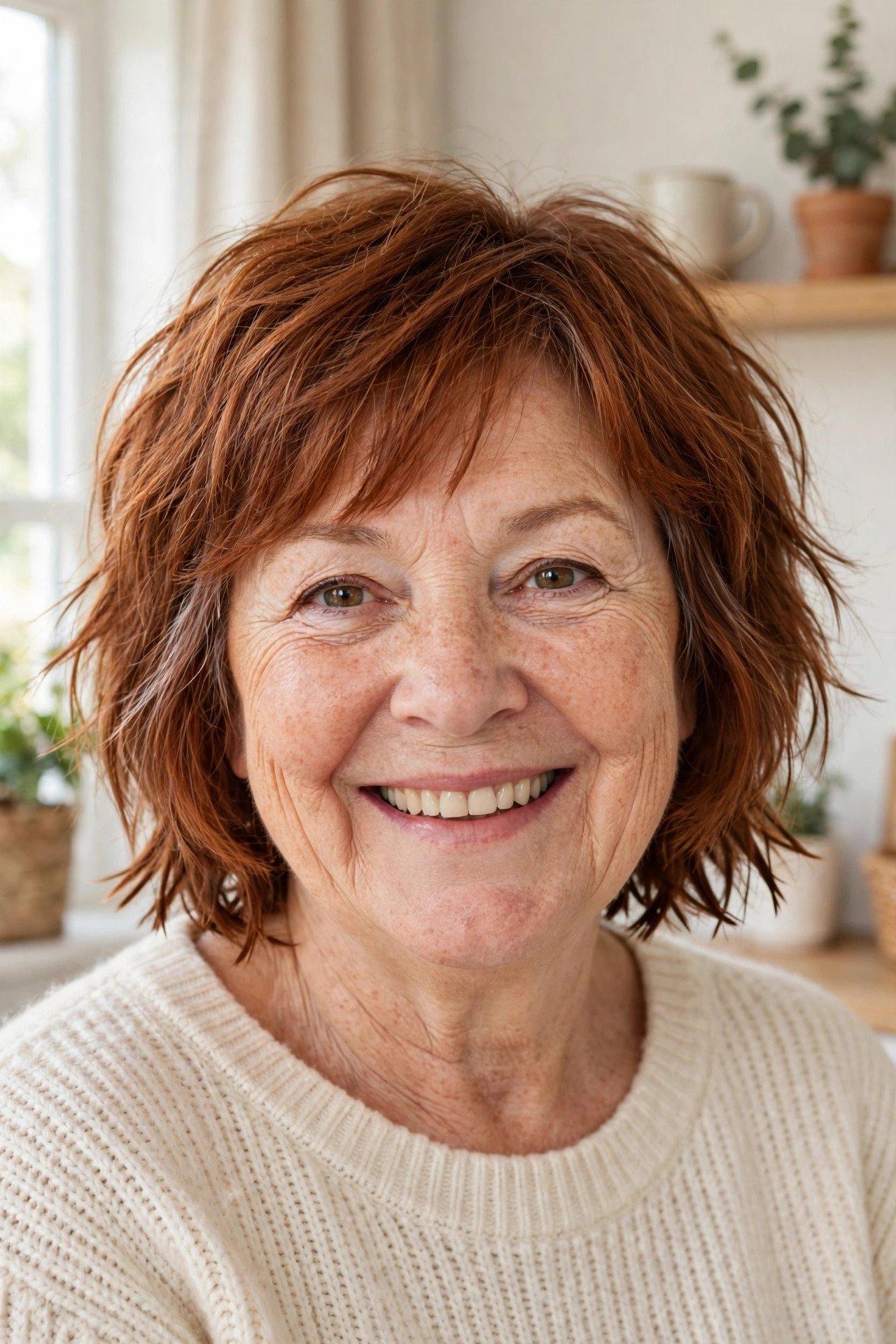
The common bob mistake is stopping right at the jaw. This one drops lower and breaks up its own ends.
Ends that land below the jawline pull the lowest line of the haircut under the face, so the face reads longer. The choppy, point cut ends stop the bob from forming one round helmet shape. Each end sits at a slightly different length, and that broken edge keeps the outline from echoing the round shape of the face. It is a lively cut that still looks tidy at work.
Rough dry it with your fingers. A brush can round this bob out again.
16. Bottleneck Bangs With Long Front Sections
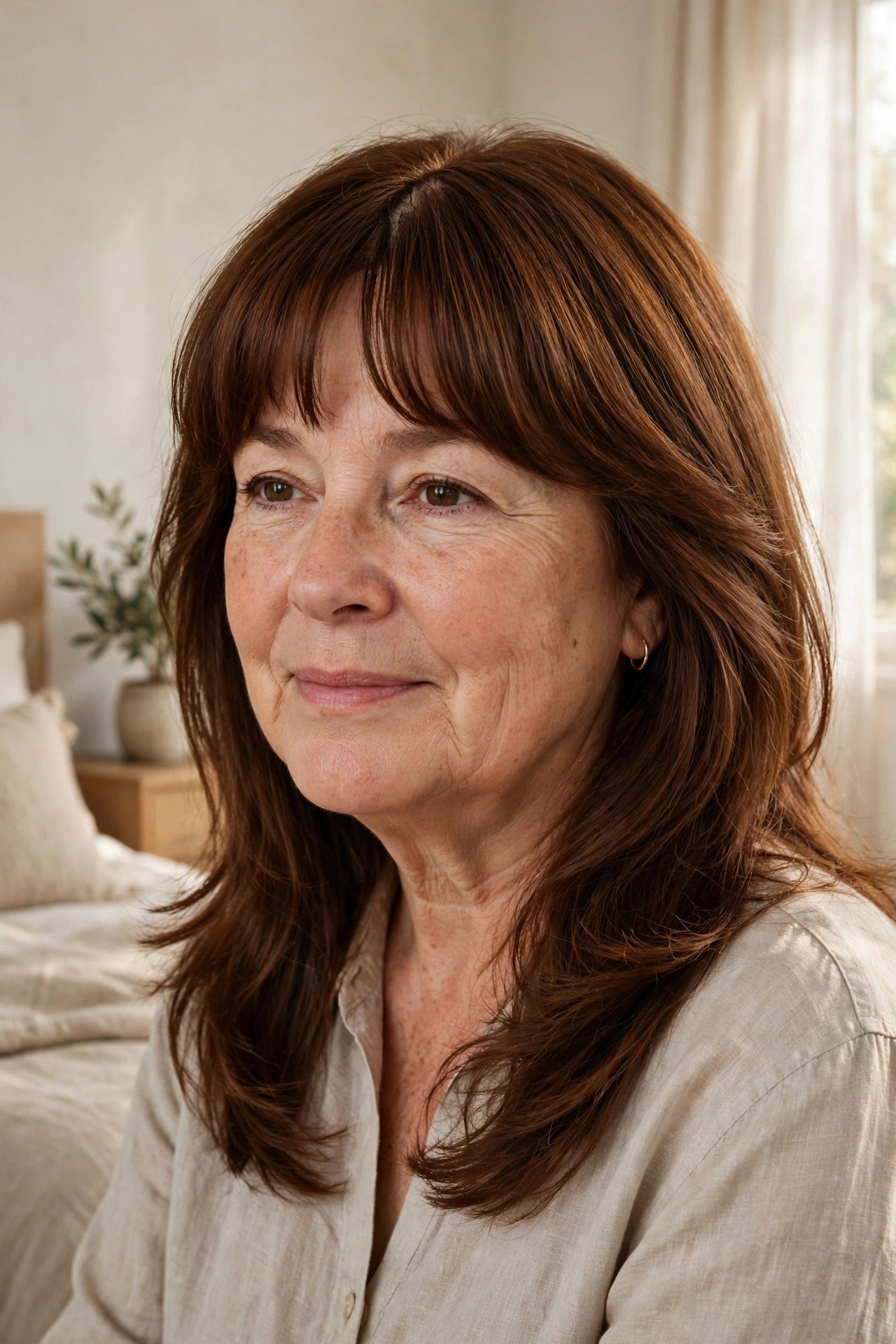
This fringe is narrow at the top and wider at the sides, so the forehead stays partly open.
Bottleneck bangs start slim at the center of the forehead, then widen as they blend into the long front sections of the cut. The open skin at the top of the forehead adds height to the face. The long sections on each side fall past the cheeks and pull the eye down. It is a soft frame with a clear vertical gap in the middle, and that gap does the slimming work.
The fringe needs a trim more often than the rest. Book it when you book the cut.
Dry the narrow center section straight down first, before anything else.
Sweep the wider side pieces out and down along the cheeks.
Leave the middle gap open. Do not brush hair back into it.
17. A Pixie With a Soft Undercut at the Nape
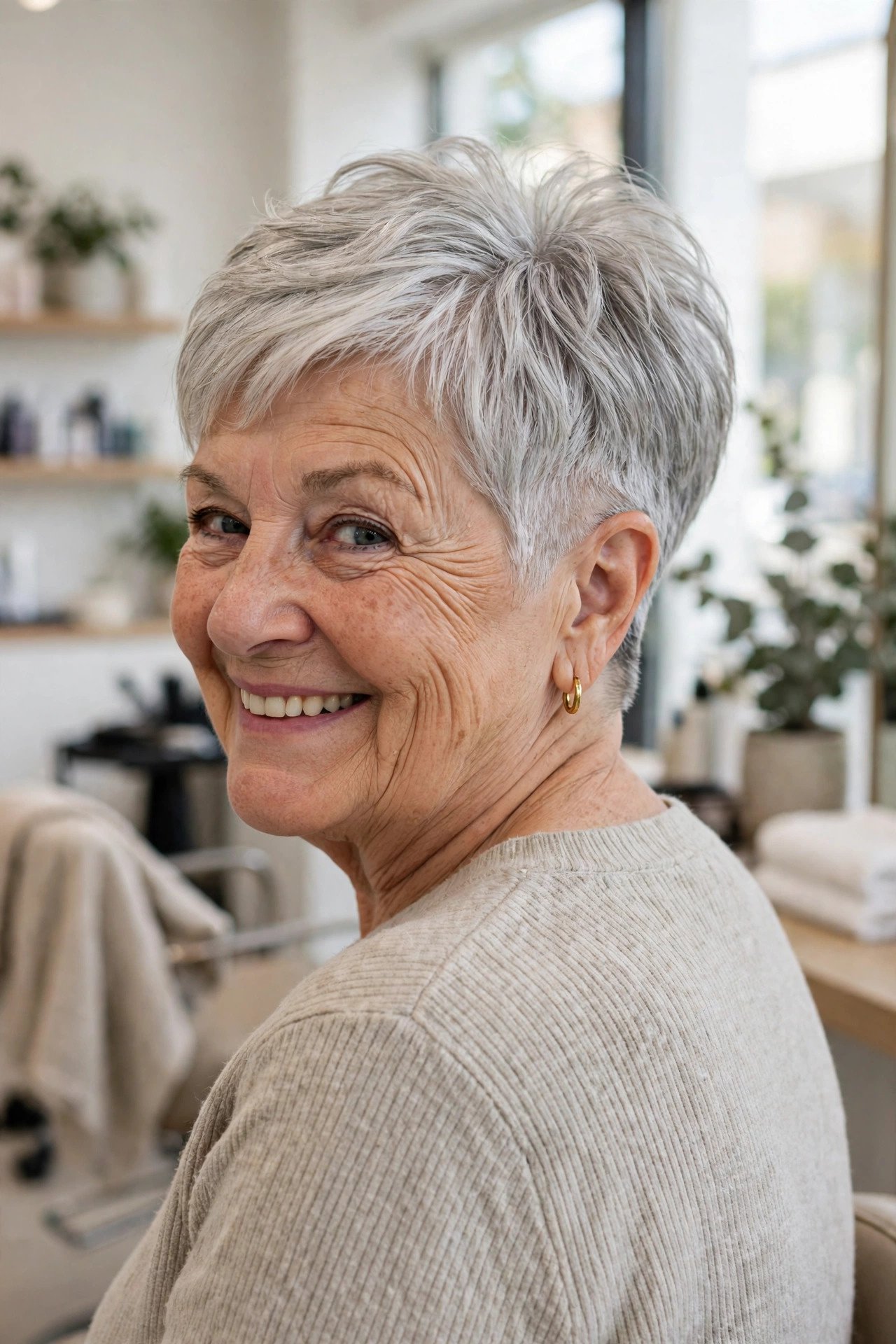
Bulk at the back and sides is what makes short hair widen a round face.
The undercut takes the nape and the lowest part of the sides very short, while the top stays longer and soft. With the bulk gone, the head shape reads slimmer from every angle, and the longer top can lift or sweep for extra length. The finish is not harsh. The top layers fall over the short sections, so the cut reads soft first and neat second.
It grows out cleanly at the nape, which keeps the shape tidy between full cuts.
Take the bulk out at the back and sides, and the top length starts to read as height.
18. Layers Brushed Back Away From the Face
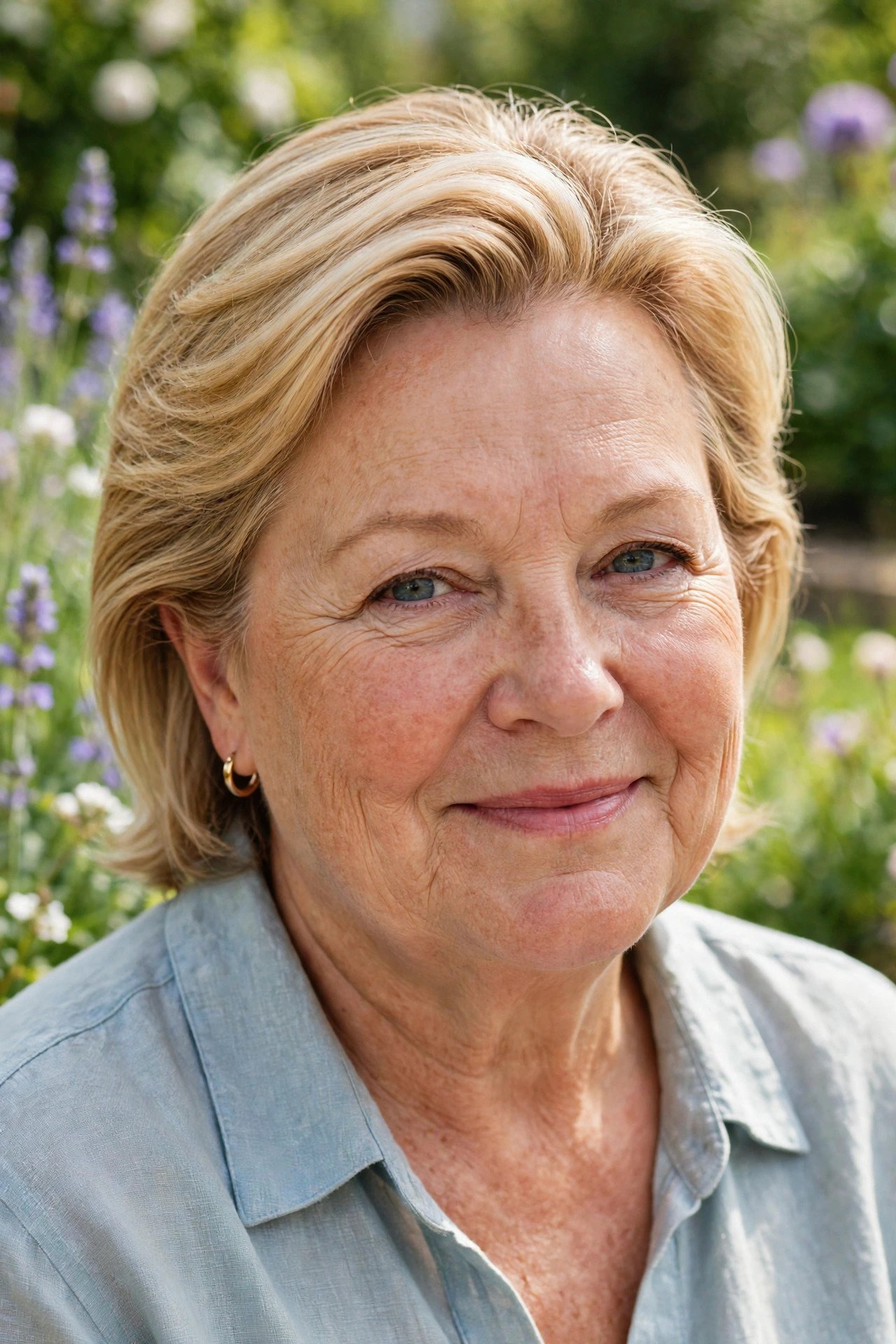
No bangs, an open forehead, and every layer moving back. It is the simplest slimming trick on this list.
Hair worn forward falls onto the cheeks and shortens the face. Hair brushed back does the reverse. The forehead adds its full height to the face, the temples stay open, and the layers sweep back past the ears. A round face gains length at the top and loses the curtain at the sides. This works on medium and long hair, and it needs no fringe to maintain.
Blow dry with the brush pulling back from the hairline, not down over it.
| Worn forward | Brushed back |
|---|---|
| Hair lands on the cheeks and shortens the face. | The forehead stays open and adds its height. |
| Sides form a curtain at the widest point. | Layers sweep past the ears and clear the jaw. |
19. A Long Cut With a Gentle V Shape at the Back
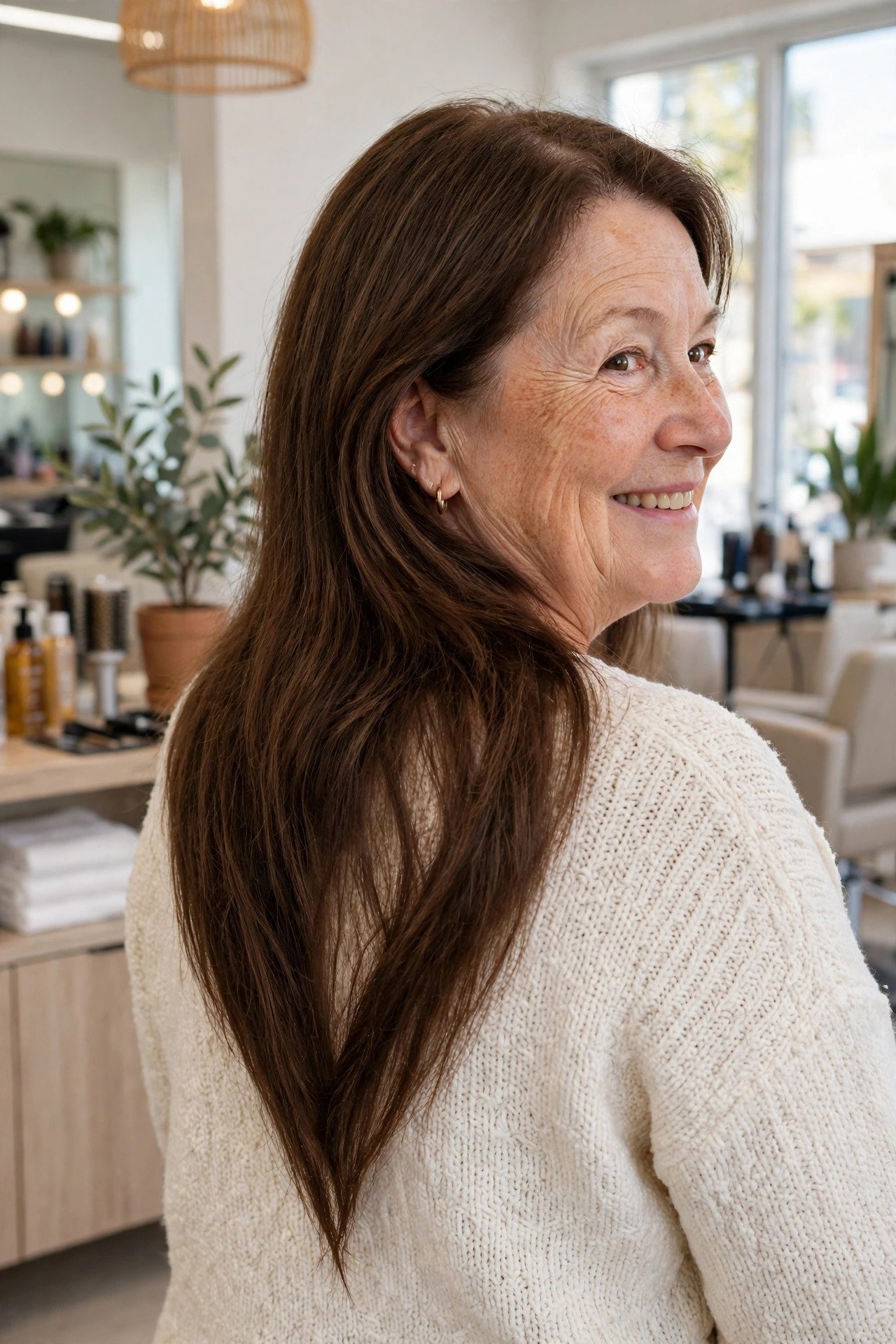
From behind, the ends come to a soft point at the middle of the back.
That point matters more than it sounds. A straight across hem on long hair spreads the width of the hair at one level, and the eye reads that width beside the face too. The V drops the longest hair to one low point, so the outline narrows as it falls. From the front, keep the shortest pieces below the chin, and the whole cut reads long, lean, and calm.
Book trims that reshape the back, so the point stays clean.
One straight hem at one level. The width of the hair reads wide from the front as well.
Ends fall to one soft point. The outline narrows as it drops, and the front reads longer.
20. Curly Layers That Start at the Jawline

Curly hair does not need to be cut short to suit a round face. It needs its layers placed lower.
Curls spring up as they dry, so a layer cut at cheek height lands even higher and wider on the face. Layers that start at the jaw keep the curls beside the cheeks smooth and flatter, while the lower layers give the shape its movement. The goal is a shape that falls longer than it is wide. Cut dry, curl by curl, the shape stays honest once it is washed at home.
Judge the shape dry, never wet. Curls sit higher once they dry.
- ▸Ask for a dry cut, curl by curl.
- ▸First layer at the jaw, never at the cheek.
- ▸Keep the sides flatter and let the length carry the shape.
21. A Blunt Bob With a Side Part and One Tucked Side

Blunt ends give a round jaw a cleaner edge to sit against.
Where a layered bob can look soft and round, the blunt bob draws one firm line under the face. The deep side part tilts that line, and tucking one side behind the ear opens the face on that side. The untucked side keeps its straight fall along the jaw. Between the firm line, the tilt, and the open side, the face gains edges it did not have with a softer cut.
Keep the length between the jaw and the shoulders. Shorter can start to cup the cheeks.
22. A Wolf Cut With Wispy Layers and a Narrow Fringe

The wolf cut brings the edge, and the wispy cutting keeps it wearable after 50.
Layers stack through the crown for height, the back keeps its length, and the ends are thinned into soft points. A narrow fringe leaves the sides of the forehead open, so the top of the face keeps its height. The shape has movement in every direction except one. Nothing is allowed to bulk out at cheek level, and that one rule keeps the edge from tipping into costume.
Ask for the layers thinned, not chopped. Soft points keep this cut kind on finer hair.
⚠️ Watch Out
Heavy, blunt layers can bulk out at the cheeks and undo the slimming shape. If your hair is thick, ask for the weight taken out of the ends at every trim.
Definition does not come from one magic cut. It comes from a few steady rules: keep some length or some height, place layers with care, and let at least one line run at an angle. Round faces carry these shapes well, and most of them grow out kindly between salon visits too.
Pick two or three favorites from this list of haircuts for round faces over 50 and take the photos to your stylist. A good stylist will adjust the length to your hair and to your mornings. Save this list to your hair board, so it is right there at your next appointment.