Wolf Cut Long vs Butterfly Cut: Key Differences, Styling & Best Choice for 2026

In 2026, it feels like everyone has a layered haircut. The question on every salon chair right now is: wolf cut long vs butterfly cut? Both promise volume, movement and face-framing layers, but the finished result — and the daily effort behind it — feels completely different.
One is built for texture: choppy, piece-y layers with a deliberately undone finish. The other is smoother, with blended layers that sit neatly and look styled on purpose. Choosing between them is less about which photographs better and more about which one you will actually enjoy living with.
The real deciding factors are practical: how many minutes you want to spend styling each morning, how often you are willing to book a trim, and whether your natural texture will cooperate or fight back. A cut that suits your routine will always look better than a trendier one that does not.
Understanding what actually separates these two cuts — where the layers start, how the weight is distributed, how the ends are finished — helps you choose with confidence rather than just following what’s trending. Small technical details like layer placement change how your hair looks and feels far more than the name of the cut does.
Your natural hair density, your texture, and how you feel about heat styling matter just as much as the cut itself. It’s all covered below — the technique, the styling, the upkeep and the face-shape logic — so the right choice practically makes itself.
1. What Sets a Wolf Cut Long Apart from a Butterfly Cut
| Wolf Cut Long | Butterfly Cut | |
|---|---|---|
| Layering technique | Short, choppy, disconnected layers stacked at the crown | Long, blended layers cascading from chin level down |
| Shortest layer starts | Around the cheekbones or jaw | Around the chin or collarbone |
| Overall finish | Textured, piece-y, lived-in | Smooth, bouncy, polished |
| Daily styling | Around 5–10 minutes; finger-dry and texture spray | Around 15–20 minutes; round-brush blowout |
| Best hair texture | Wavy to curly; adds body to fine hair | Straight to gently wavy; tames thick hair |
| Trim frequency | Every 10–12 weeks | Every 8–10 weeks |
| Grow-out | Looks better slightly grown out and messy | Loses definition; needs reshaping |
Both cuts are built from layers, but the layering technique is where they part ways. The wolf cut uses short, disconnected layers concentrated around the crown; the butterfly cut uses long, blended layers that cascade evenly from top to bottom. That single difference shapes everything: the silhouette, the styling routine, and how the cut grows out.
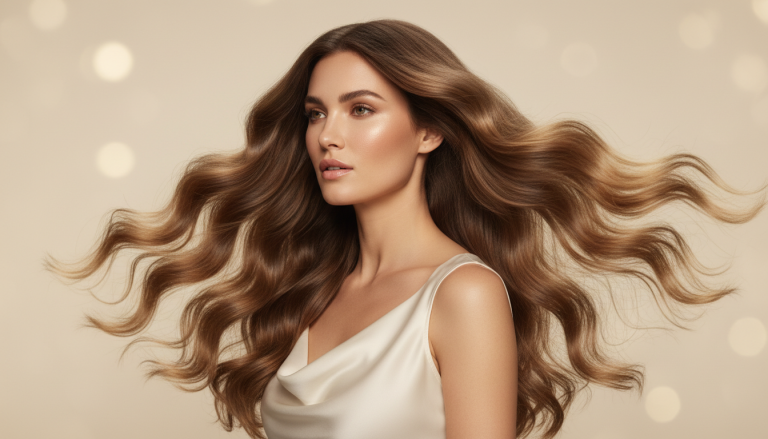
A long wolf cut stacks choppy, textured layers through the top and crown, which creates lift and separation. The ends stay long and wispy, so the overall shape reads as a modern shag — full on top, piece-y through the lengths, and deliberately imperfect. It thrives on natural wave and air-dried texture.
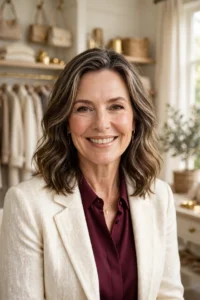
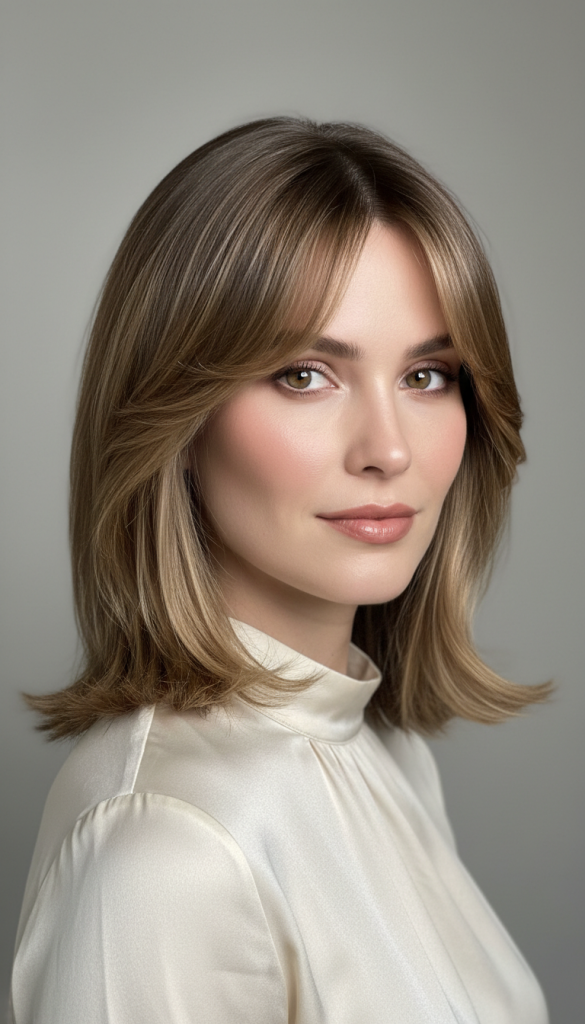
The butterfly cut, by contrast, keeps the layers soft and connected. The shortest pieces typically start around the chin or collarbone and blend seamlessly into the length, creating the illusion of shorter, bouncy hair around the face with long hair underneath. The volume is controlled and polished rather than wild.
In short: the wolf cut is about texture and edge, the butterfly cut about smoothness and polish. One celebrates separation and movement; the other celebrates blend and bounce. Neither is objectively better — they are built for different hair, different routines and different moods.

2. Why the Long Wolf Cut Continues to Trend in 2026
The long wolf cut has matured well past its rebellious phase. The 2026 version keeps the signature crown volume and choppy texture, but the layers are blended just enough to look intentional rather than chaotic — wearable on a workday, not just a night out.
What makes it work is the balance between short and long. The cropped layers on top create lift and movement around the face — curtain bangs or a soft fringe usually come with the territory (see how the fringe styles compare in this curtain bangs guide) — while the length underneath keeps the silhouette feminine and versatile. Oval and round faces tend to suit it particularly well, since the crown height elongates.
If your hair tends to fall flat by midday, ask your stylist to concentrate the layering around the crown and through the top third. That one adjustment keeps the volume alive for weeks, even as the cut grows out — no daily teasing required.
Its staying power comes down to adaptability. The same cut can look edgy with texture spray, soft with a quick bend from a flat iron, or completely effortless air-dried. Few cuts cover that much ground with so little effort.

3. The Comeback of the Butterfly Cut: Modern Soft Glam Layers
The butterfly cut’s return makes perfect sense: it is polished without being stiff, glamorous without being demanding, and flattering on a wide range of face shapes. Here is why it keeps winning people over:
- Soft, face-framing layers: The front pieces start around the chin and melt into the length, adding movement and shape without any harsh lines or visible steps.
- Balanced, believable volume: The fullness looks natural rather than teased — the shape reads as healthy, thick hair from roots to ends.
- Made for the blowout: The layer placement is designed around round-brush styling. Dry the front sections away from the face and the signature flicked, bouncy finish practically happens on its own.
- Dressed up or down: It looks appropriate in a boardroom and striking at an event. Few trend-led cuts move between settings this smoothly.
- Ends that look healthy: Because the layers are blended rather than thinned out, the perimeter keeps its density and shine instead of tapering into wispy, see-through ends.
- A softer take on 2000s layers: It nods to that early-2000s supermodel glam, but the modern version is lighter, more blended and far easier to wear day to day.
So this is not pure nostalgia — it is a genuinely practical cut. It moves well, photographs well, and asks less of you than its glamorous finish suggests.

4. How to Style a Wolf Cut Long for Maximum Texture and Volume
Styling a long wolf cut is about enhancing what the cut already does: lift at the crown, separation through the layers, and ends that move. Work with the texture, not against it.
- For root lift that lasts, work a golf-ball-sized amount of lightweight mousse or a root-lifting spray into the crown on damp hair before drying. This is the single most effective step — the cut is designed to show off height exactly here.
- Rough-dry with your fingers instead of a round brush, lifting at the roots as you go. A brush smooths out precisely the piece-y texture that makes a wolf cut look right.
- To define the layers, add a few loose bends through the mid-lengths with a flat iron or a large-barrel wand, alternating directions. Skip tight curls — soft, irregular waves keep the finish effortless.
- Finish with a light texturising spray or sea-salt mist through the ends, scrunching gently. It separates the layers and stops the style falling flat by the afternoon.
- Go easy on smoothing serums and heavy oils: they collapse the volume you just built. If the ends feel dry, use a pea-sized amount of lightweight oil on the very tips only.
That is the whole routine — volume on top, movement through the middle, and nothing overworked. A wolf cut should look like you spent ten minutes on it, because you did.

5. How to Style a Butterfly Cut for That Signature Blowout Bounce
The butterfly cut’s signature bounce comes from smooth, rounded volume — hair that looks airy and full rather than piece-y. The blowout is the engine of this style, so it is worth learning the technique properly.
- Start with towel-dried hair and distribute a lightweight volumising mousse from roots to mid-lengths. You want body without stiffness — avoid anything that leaves hair crunchy or sticky.
- Blow-dry with a medium or large round brush, working in sections and rolling each one away from your face. The outward flick on the front layers is what creates that lifted, face-opening effect.
- Sectioning genuinely makes this easier: dry the crown first for height, then the sides, then the back. Trying to do it all at once is how blowouts go flat.
- For extra polish, run a large-barrel curling iron through the front sections — one smooth curl per section, then brush through once cooled. This sets the bounce so it survives the day.
- Lock it in with a flexible-hold hairspray, misted from arm’s length. Heavy, wet-look products drag the layers down and kill the airy finish you are after.

6. Face Shape and Hair Texture Guide: Which One Suits You
Face shape and natural texture are the two filters that make this decision easy. The right cut should flatter your features and cooperate with your hair — not fight either of them. (If you are also torn between textures themselves, this curly vs straight hair comparison is a useful companion read.)
- If you have an oval face, you’ve got the most flexibility. Both cuts work beautifully here — experiment with curtain bangs, extra crown texture or softer blended layers. Proportion takes care of itself, so choose based on the routine you prefer.
- For round faces, a long wolf cut usually feels more flattering. The extra height at the crown and those longer, vertical layers draw the eye up and down, which visually lengthens the face. Keep excess width away from cheek level for the most flattering effect.
- If your face is more square, a butterfly cut tends to be a good fit. Soft, feathered layers falling around the jawline blur stronger angles and add a gentler frame without hiding the bone structure.
- For heart-shaped faces, butterfly cuts with longer face-framing layers add fullness below the chin, which offsets a wider forehead and a narrower jawline. Keeping the volume concentrated from the cheekbones down brings everything into balance.
- If your face is on the longer side, it helps to skip too much height at the crown. Too much lift on top exaggerates length — instead, choose softer layers with width through the sides to keep everything in proportion.

7. Celebrity Hair Inspiration: Wolf Cut Long vs Butterfly Cut in 2026
Scroll through any red-carpet or festival line-up in 2026 and both cuts are well represented — they just show up in different contexts. The wolf cut tends to appear with the edgier dressers; the butterfly cut with the polished glam crowd. Here is the vibe each one channels:
Long Wolf Cut – Celebrity Vibe
• Made for anyone who wants hair with a little attitude but minimal upkeep
• Sits naturally with street style, festival dressing and after-dark looks
• Pairs well with soft smoky eyes and understated lips — the hair does the talking
• Works dressed down with denim or dialled up with something bolder
Butterfly Cut – Celebrity Vibe
• The choice for a polished, camera-ready finish with real glamour
• Made for red carpets, weddings and any day you want to feel put-together
• Complements glowing skin, defined lashes and glossy lips
• Matches tailored outfits and elegant, structured styling
8. Everyday Maintenance: Effortless Edge or Polished Glam
The day-to-day reality is where these two cuts diverge most. One forgives; the other rewards effort.
If low-key mornings are the priority, the long wolf cut is the easier companion. There is no obligatory blow-dry — scrunch a little texture spray into damp or dry hair and the layers do the rest. It also grows out gracefully: as the layers lengthen they simply look more relaxed, so trims can stretch to every 10–12 weeks without the shape collapsing.
The butterfly cut asks for more each morning but pays it back in polish. A proper round-brush blow-dry — typically 15–20 minutes — keeps the layers smooth, lifted and defined. Skip it too many days in a row and the shape goes limp rather than charmingly messy. Plan a shaping trim every 8–10 weeks to keep the face-framing layers crisp.
So the trade-off is simple: the wolf cut gives you freedom, the butterfly cut gives you finish. Pick the one whose daily price you are happy to pay.

9. What Hair Stylists Recommend Before Choosing Either Cut
Before booking, it is worth thinking like a stylist for a moment: the best cut is the one that suits your hair’s reality, not just your inspiration photos. Run through these four checks first.
Here’s what actually matters:
• Hair density: Thick, heavy hair often benefits from the butterfly cut’s blended layering, which removes bulk without visible steps. Fine to medium hair usually gets more visible body from a wolf cut’s shorter crown layers — though very fine hair should keep the layering moderate so the ends do not go wispy.
• Natural texture: Waves and curls bring a wolf cut to life with minimal styling; the cut is essentially designed around them. Straighter hair holds the butterfly’s smooth, bouncy blowout far better, so match the cut to the texture you actually have.
• Styling commitment: Be honest about your mornings. Air-dry and go? The wolf cut will not punish you. Happy to spend 15–20 minutes with a round brush most days? The butterfly cut will reward you for it.
• Face-framing preference: After soft, seamless layers that hug the face, choose the butterfly. After volume, separation and a bit of edge around the crown, choose the wolf cut. Your answer here is usually your answer overall.

10. Wolf Cut Long or Butterfly Cut: Which One Is Right for You This Year?
By now the choice probably feels clearer, because it comes down to one question: how do you want your hair to behave on an ordinary Tuesday? Texture and ease, or smoothness and polish? Here is the final nudge for each camp.
Choose the long wolf cut if your hair has natural wave or curl, your mornings are short, and you like a bit of edge. It is the lower-effort cut that still looks deliberate — and if you are over 50 and also weighing up length, this short vs long hair guide for women over 50 pairs well with the decision.
Choose the butterfly cut if your hair is straight or gently wavy, you enjoy the ritual of styling, and you want that bouncy, salon-fresh finish most days. It photographs beautifully and never looks out of place.
Still torn? There is a middle ground: ask for a wolf cut’s crown texture with the butterfly’s softer face frame. Stylists blend the two more often than you would think.

11. Final Thoughts: Choosing the Layered Cut That Matches Your Lifestyle
Trends will keep cycling, but the right cut is the one that still feels right six weeks after the appointment — when the novelty has worn off and it is just you and your hair every morning.
- Audit your mornings honestly. A cut that needs a 20-minute blowout is the wrong cut for a 10-minute routine — and there is no shame in choosing the easier option.
- Work with your natural texture, not against it. A cut designed for your hair type needs less heat, less product and less patience.
- Choose the version of you that you actually are. Laid-back and low-key, or polished and put-together — your haircut should match your real life, not your aspirational one.
- Talk upkeep through with your stylist before the first snip: how often to trim, what the grow-out looks like, and what the style demands on a lazy day. No surprises beats good surprises.
Get that match right and either cut will feel effortless — because the best haircut is not the trendiest one, it is the one you never have to think about.

Frequently Asked Questions