35 Types of Haircuts for Women: Popular Styles, Names & How to Choose

Your haircut does more heavy lifting than almost anything else in your personal style — it frames your face every single day. Most women choose a cut by weighing four things: hair length, face shape, hair texture, and daily routine.
The list of haircut styles is long, running from classics like the bob to newer favorites like the wolf cut and butterfly haircut. Learning the real names — and what each one actually looks like — makes the salon conversation so much easier, and helps you walk out with the cut you pictured.
This guide breaks down the most popular women’s haircuts, describes what defines each one, and matches them to the hair lengths and textures they suit best.
Match the Cut to Your Hair Length
Length is honestly the first filter. Some cuts only shine on short hair, while others need the weight and movement of medium or long hair to look right.
| Hair Length | Popular Haircuts | Description |
|---|---|---|
| Short Hair | Pixie Cut, Bixie Cut, Short Bob, Undercut | Low upkeep with a clean, modern edge |
| Medium Hair | Lob, Layered Cut, Shag Haircut | The sweet spot: balanced and versatile |
| Long Hair | Butterfly Cut, Long Layers, Wolf Cut | Maximum room for styling |
The Bob Haircut
The bob haircut is the definition of a classic — usually ending right at the jawline for a neat, polished shape. It flatters a wide range of face shapes and takes to styling easily, which is why it never really leaves the trend cycle:
- Classic bob
- Stacked Bob
- Angled Bob
- Asymmetrical Bob
Classic Bob
A classic bob is cut straight and clean, ending at the jawline. The result is sleek and polished — the kind of cut that works as well in a boardroom as it does on a weekend errand run. A strong pick if you want simple with staying power.

Stacked Bob
A stacked bob builds shorter layers at the back that lengthen toward the front, creating a rounded silhouette with built-in volume. Fine or thin hair benefits most — the stacking makes strands look noticeably fuller.

Angled Bob
An angled bob drops from shorter at the back to longer at the front, which adds instant dimension. The diagonal line feels sharp and current — ideal when you want your haircut to do the talking.

Asymmetrical Bob
An asymmetrical bob keeps one side deliberately longer than the other. That uneven edge reads bold and fashion-forward — the cut to choose when “different” is exactly the point.

The Pixie Cut
A pixie cut stays close to the head with a little extra length left on top. It puts your facial features front and center, and asks for almost nothing in daily maintenance — short drying time, quick styling, done.
- Classic Pixie
- Textured Pixie
- Long Pixie
Classic Pixie Cut
A classic pixie cut keeps the sides and back short with softness on top. Neat, simple, and genuinely low-effort — the chic option for anyone who would rather not fuss over their hair.

Textured Pixie Cut
A textured pixie leans on choppy layers for movement and lift. The finish feels relaxed and current rather than severe — a playful cut with a lot of personality.

Long Pixie Cut
A long pixie cut keeps enough length for side-swept bangs or soft waves, so you get more styling room than a classic pixie allows. It is also the kindest first step when you are going shorter from long hair but not ready for the full chop.

The Lob (Long Bob)
The lob, or long bob, takes the classic bob to shoulder length. You keep the polish but gain ponytail territory and far more styling options. That versatility is exactly why it has stayed popular for years:
- Blunt Lob
- Layered Lob
- Wavy Lob
Blunt Lob
A blunt lob is cut straight across with zero layers, so the ends look thick and deliberate. That solid edge is flattering on fine hair — it creates the illusion of density where layers would only thin things out.

Layered Lob
A layered lob threads soft layers through shoulder-length hair for movement and texture. It takes the weight out of thick hair and gives wavy hair a shape to fall into, instead of a triangle.

Wavy Lob
A wavy lob is less a cut than a finish — loose waves, natural texture, done. The result is relaxed and wearable every day, and it happens to flatter most face shapes without trying.

The Shag Haircut
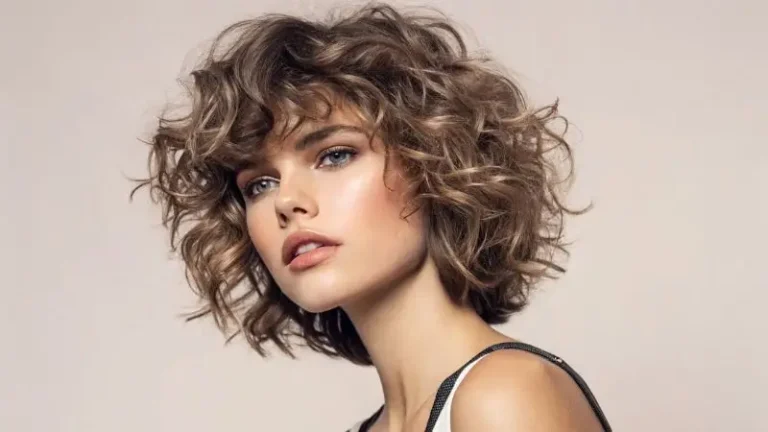
The shag haircut is all about layers — lots of them, cut for volume and movement. Born in the 1970s, it has cycled back into fashion with a softer, more wearable edge.
- Classic Shag
- Modern Shag
Classic Shag
A classic shag haircut stacks layers through the hair with lift at the crown. The finish is relaxed with a lived-in edge — undone on purpose — and it works on straight and wavy textures alike.

Modern Shag
A modern shag softens the classic: layers blend more seamlessly for a natural, current look. Curtain bangs are its most common partner, framing the face while the layers do the rest.

Frequently Asked Questions
Conclusion
There is no shortage of choice — from steady classics like the bob and pixie to newer names like the wolf cut and butterfly cut, each with its own character. Once you know what each style is called and what it looks like, trying something new stops feeling like a gamble.
Match the cut to your face shape, texture, and the amount of effort you honestly want to spend — that is the whole formula. Keep this guide bookmarked for your next salon visit, and the conversation with your stylist will go a lot smoother.