20 Curtain Bangs Over 50 That Soften Your Face
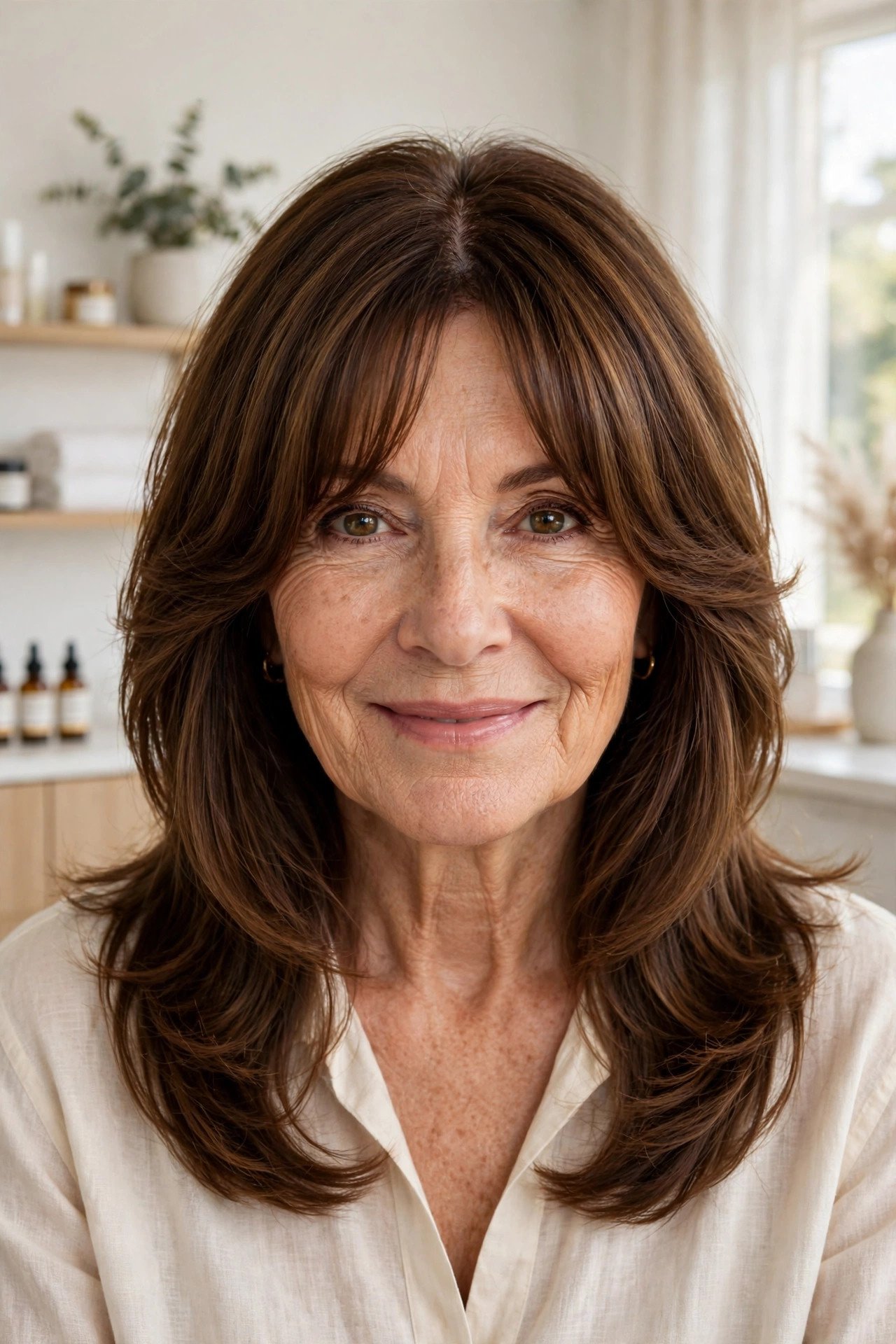
A softer frame around your face changes how the whole haircut reads. Lines look gentler, cheekbones get a quiet lift, and even a plain ponytail day looks finished. That is the quiet work a good fringe does, and it explains why curtain bangs over 50 keep showing up in salon photos year after year. It also grows out kindly, which matters when salon visits sit six or eight weeks apart.
The shape is simple. The fringe parts in the middle and sweeps out to both sides, longest at the outer corners. Nothing sits heavy across the forehead, and nothing needs daily wrestling with a round brush.
Below are twenty ways to wear the shape, paired with the cuts women actually ask for: long layers, bobs, shags, curls, grey blends and even a pixie. Each one notes the length to ask for, the styling that keeps it soft, and the small detail that makes the difference.
1. Curtain Bangs with Long Layers, the Classic Pairing
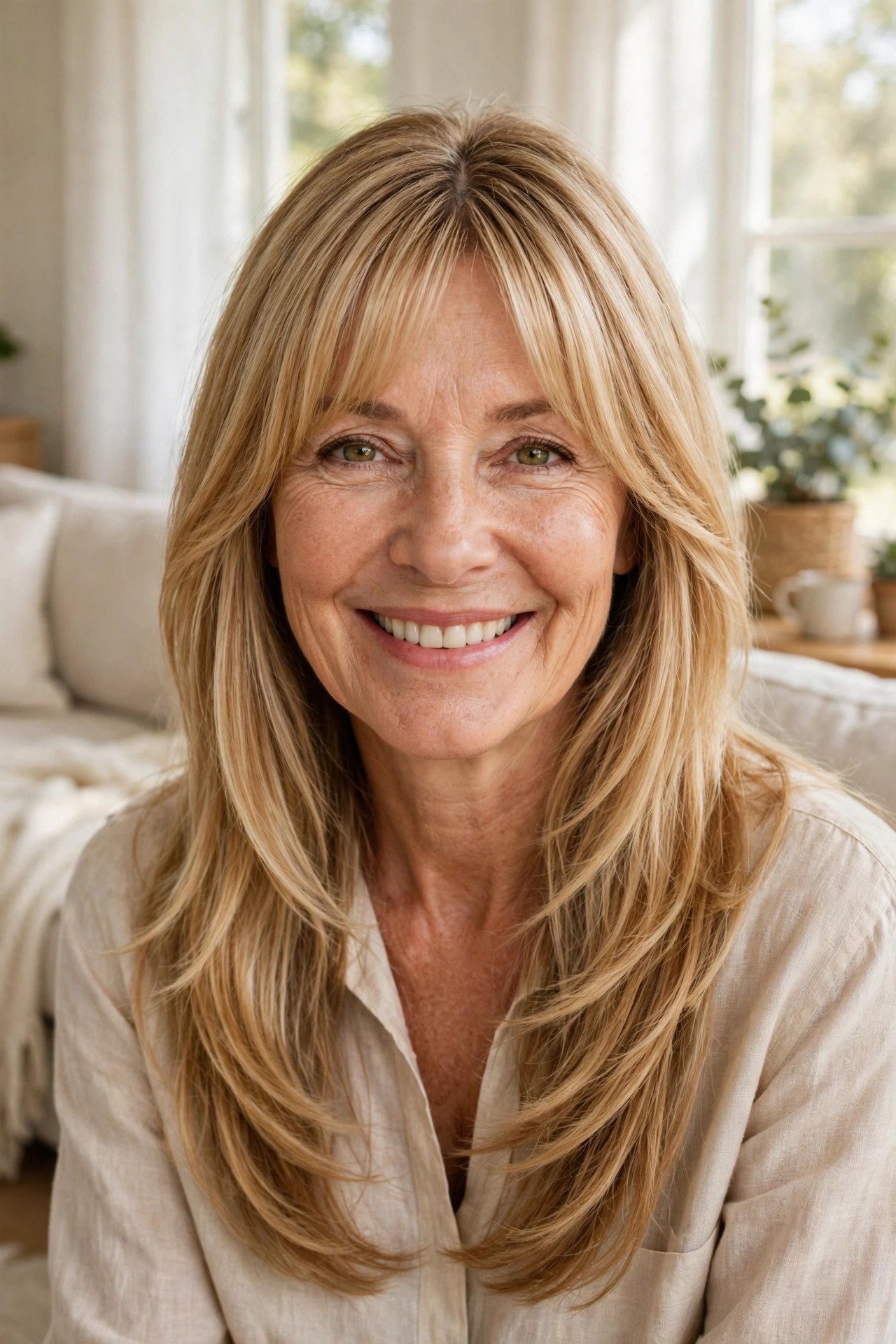
Long layers and a centre parted fringe were made for each other.
The bangs start the face frame, and the layers carry it down past the shoulders, so the eye reads one smooth line instead of a fringe sitting on top of a separate cut. Ask for the shortest point of the fringe to land near the cheekbones, then blend every layer into that starting point.
- Works on straight, wavy and lightly curled hair
- Grows out into face framing layers, no awkward stage
- Blow dry the fringe first, while it is still wet
2. Curtain Bangs with a Chin-Length Bob
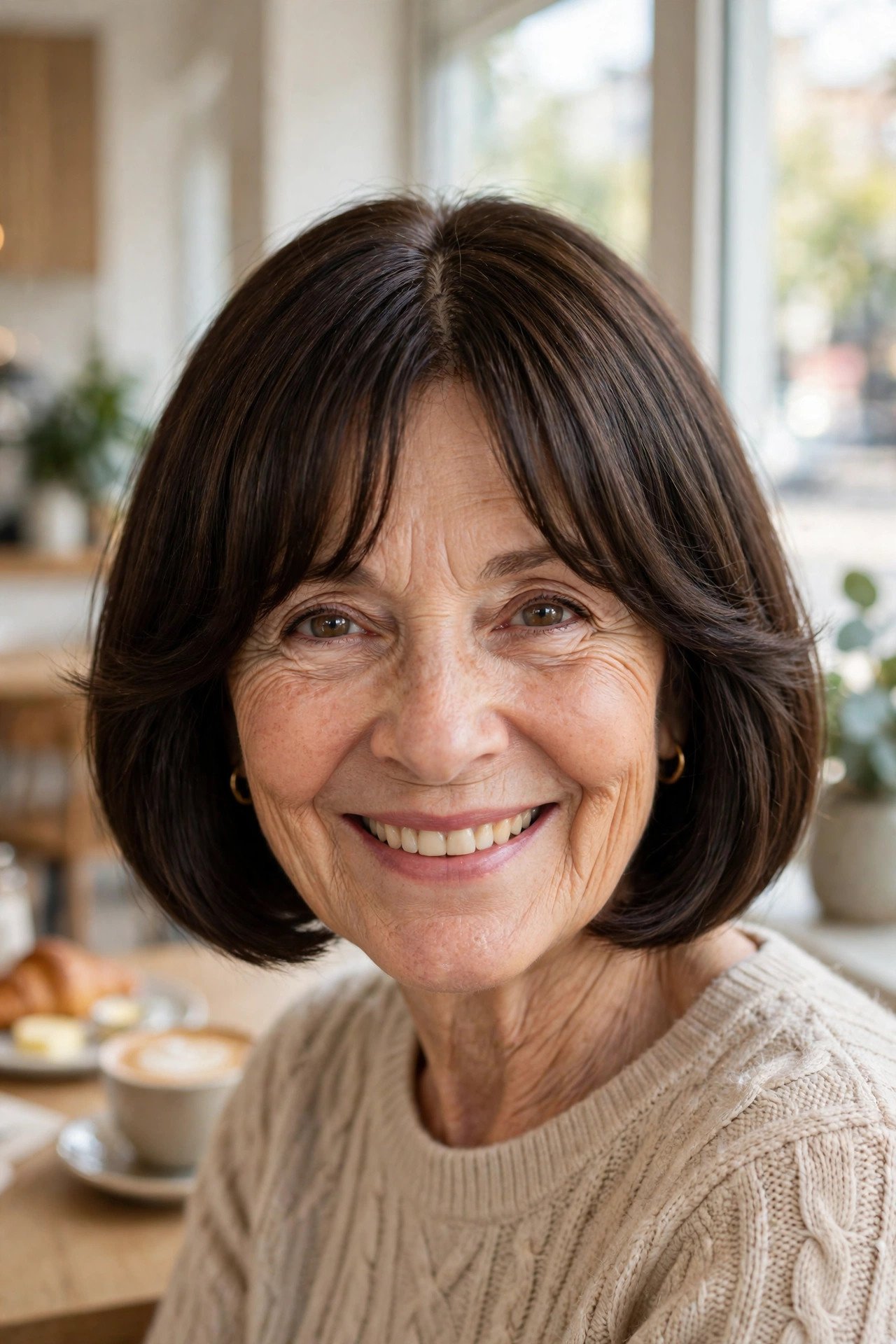
A chin length bob can look severe on its own. A curtain fringe fixes that in one cut.
Keep the bob blunt at the ends for shape, then let the fringe sweep from the centre part down to the cheekbones. The contrast does the work: strong line at the jaw, soft movement at the eyes. Dry the fringe with a round brush, rolling it away from the face on both sides so the sweep opens up instead of falling flat.
Best with a side of shine spray on the ends only.
💡 Quick Tip
Ask your stylist to cut the fringe dry at the end of the appointment. A bob sits differently dry, and the cheekbone point is far easier to judge.
3. Curtain Bangs with a Soft Shag
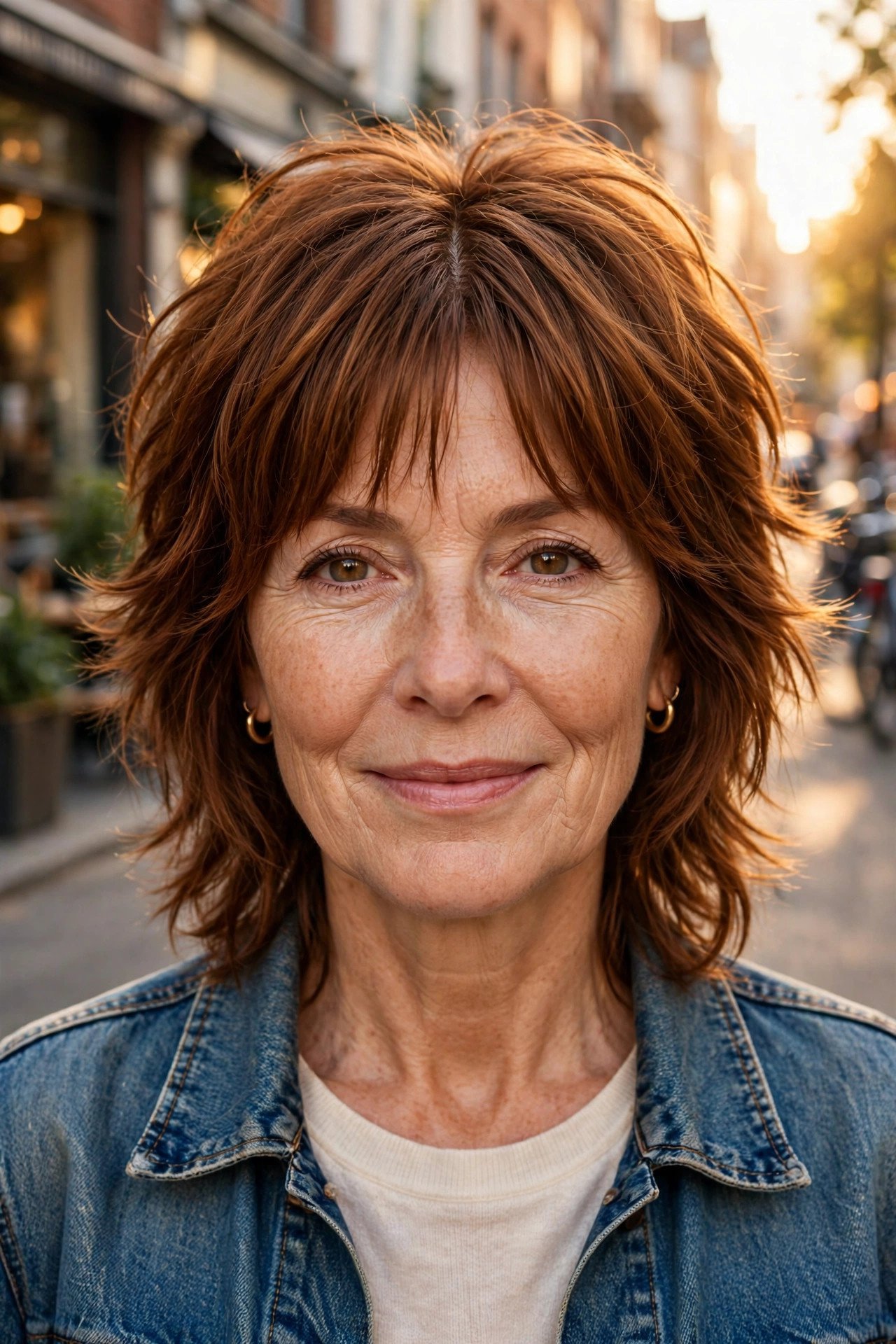
A shag already has plenty going on, so many women skip the fringe. That is a missed chance.
The choppy layers at the back actually need the soft front to balance them. Cut the curtain fringe piecey rather than solid, with the ends snipped into small points, and it melts into the shag’s texture. Keep the crown layers short enough to lift, and let the fringe corners run a little longer than you think. They shrink into place once the hair dries.
- Ask for point cut ends, not a straight line
- Scrunch, do not brush, once dry
Point cut the fringe ends so they melt into the shag layers.
Keep the crown layers short enough to hold their lift.
A solid, straight fringe line that fights the choppy back.
Brushing the texture flat once the hair is dry.
4. Curtain Bangs on a Long-Top Pixie
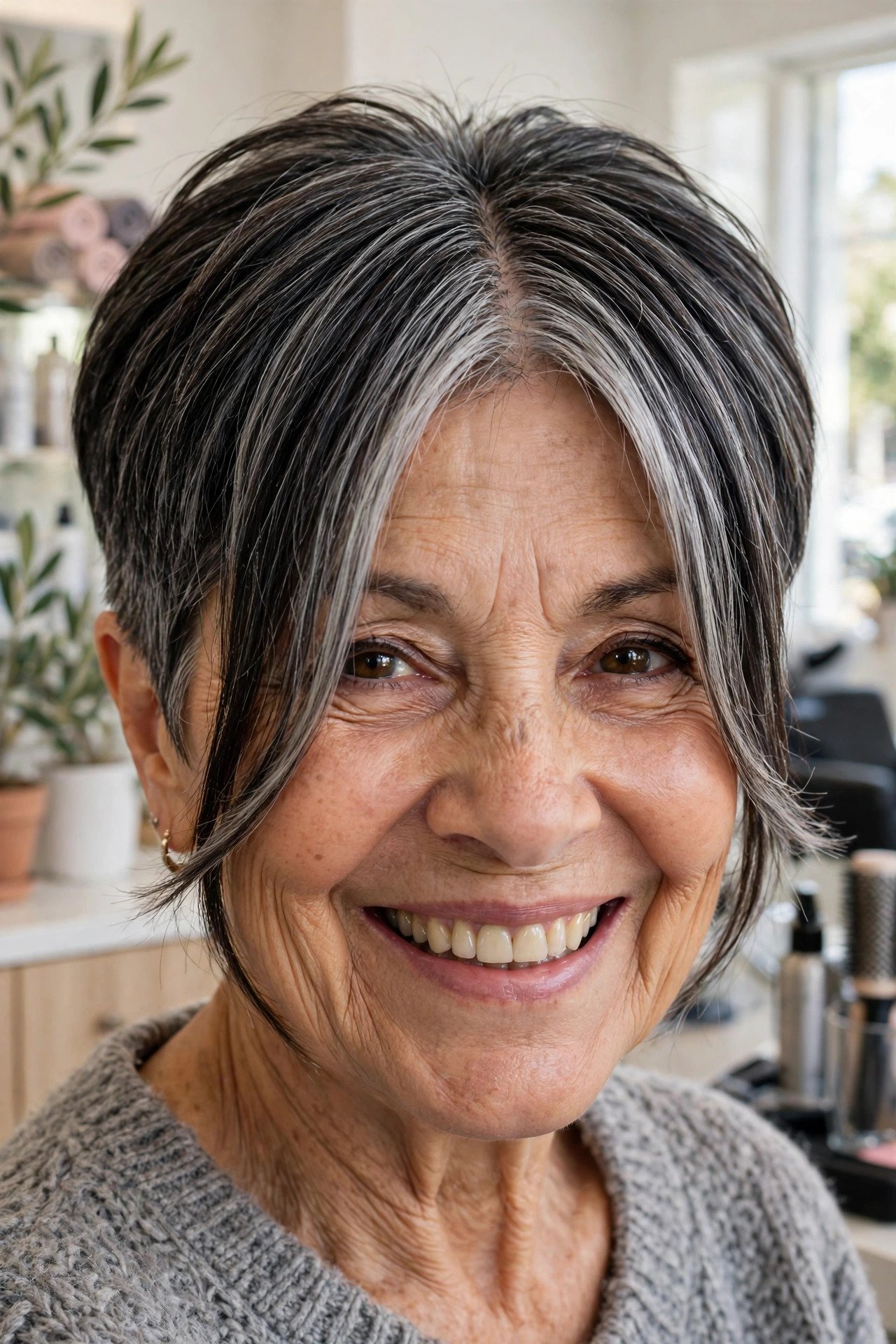
Short sides do not rule out a fringe. They just move it to the top.
On a long top pixie, the extra length at the crown parts in the middle and falls forward, then sweeps to each side like a curtain. It softens the whole cut and gives you something to play with: tucked back on busy days, worn forward when you want the frame. The sides stay neat and close, which keeps the shape tidy between appointments.
Silver streaks at the front make the sweep even clearer.
Before you book this cut
5. Curtain Bangs with Loose Waves
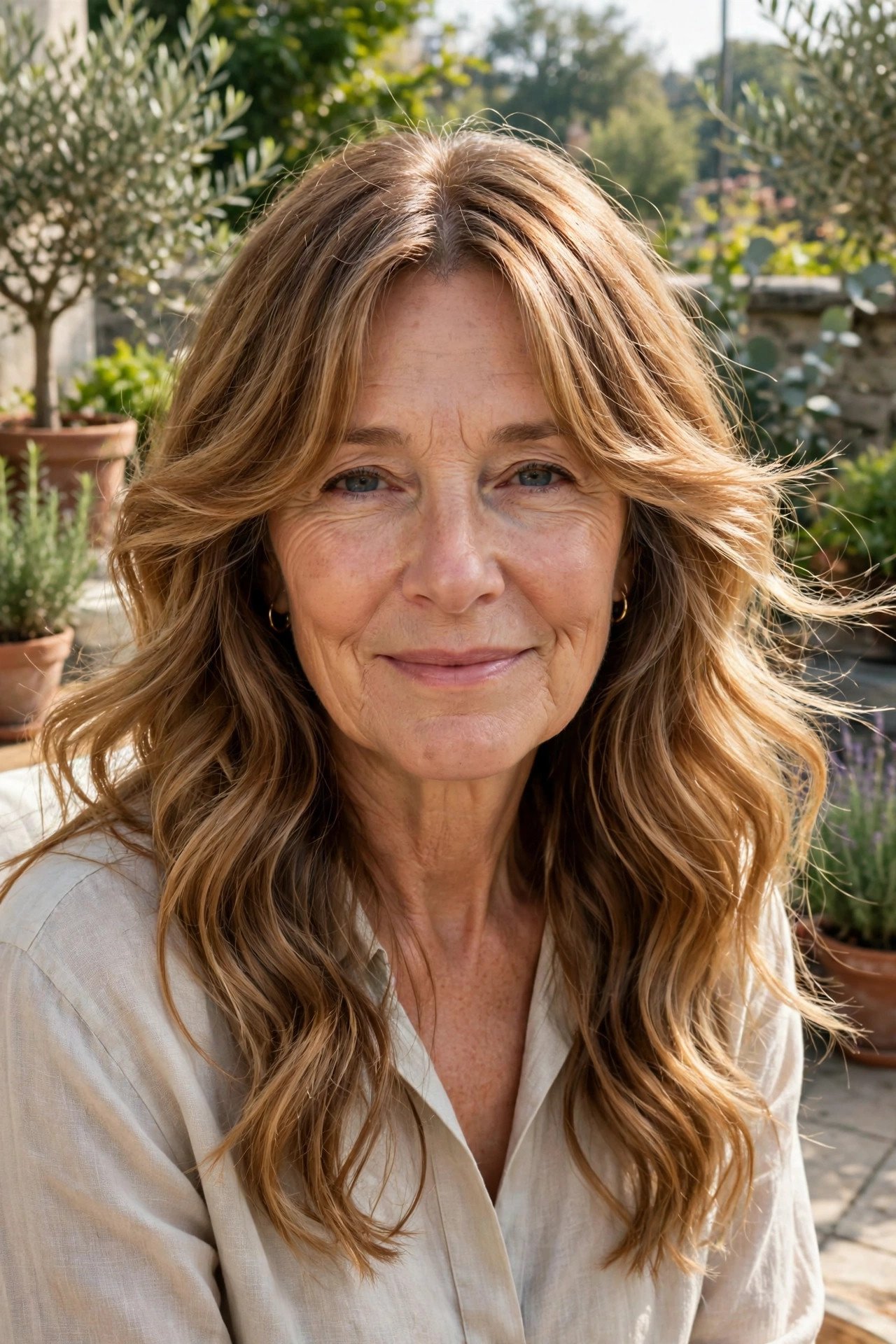
Loose waves and curtain bangs share the same habit: both open away from the face.
Wave the fringe with the rest of the hair, curling each side away from the centre part so it rolls into the waves below. A large barrel or two big rollers while you do your makeup gives the soft bend without a hard curl. If the fringe waves too tightly, brush it out gently while it is still warm and let it settle looser.
- Curl away from the face on both sides
- Brush out while warm for a softer bend
6. Curtain Bangs with Sleek, Straight Hair
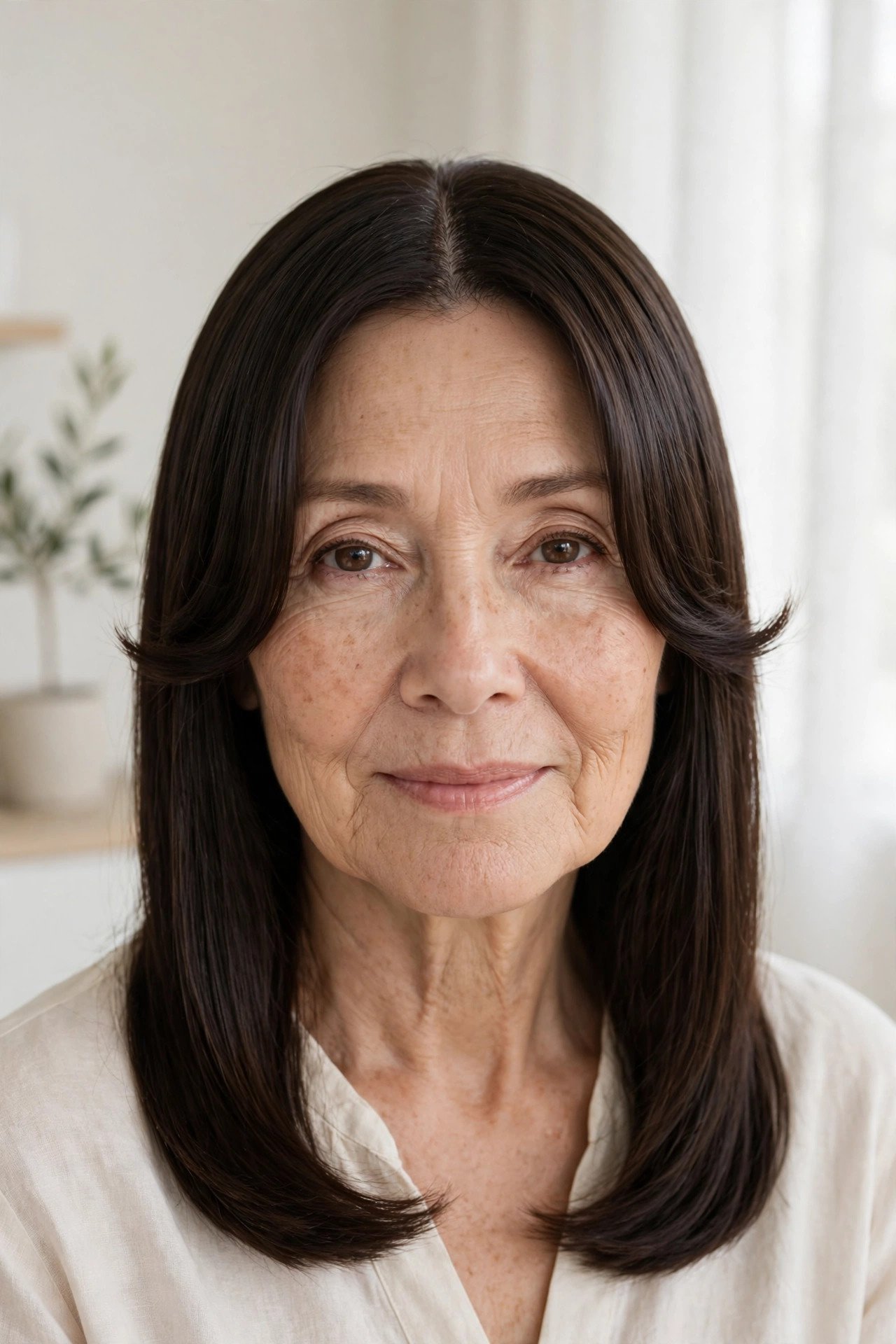
Sleek hair shows every line of a cut, so the fringe has to be exact.
Worn straight, curtain bangs get their shape from curved ends. The centre pieces sit shortest, and each side curves down in a smooth arc to the cheekbones. Blow dry them forward first, then sweep each side back with the brush so the arc sets. One length hair with no fringe can drag the face down at this age, while the arc lifts the eye line back up.
A drop of smoothing serum on the ends keeps the line clean.
| One Length, No Fringe | Sleek Curtain Bangs |
|---|---|
| Pulls the eye line downward. | The curved arc lifts the eye line. |
| Forehead fully bare, lines on show. | Soft cover at the centre only. |
| Straighten everything and go. | Two minutes of brush work at the front. |
7. Curtain Bangs with Natural Curls
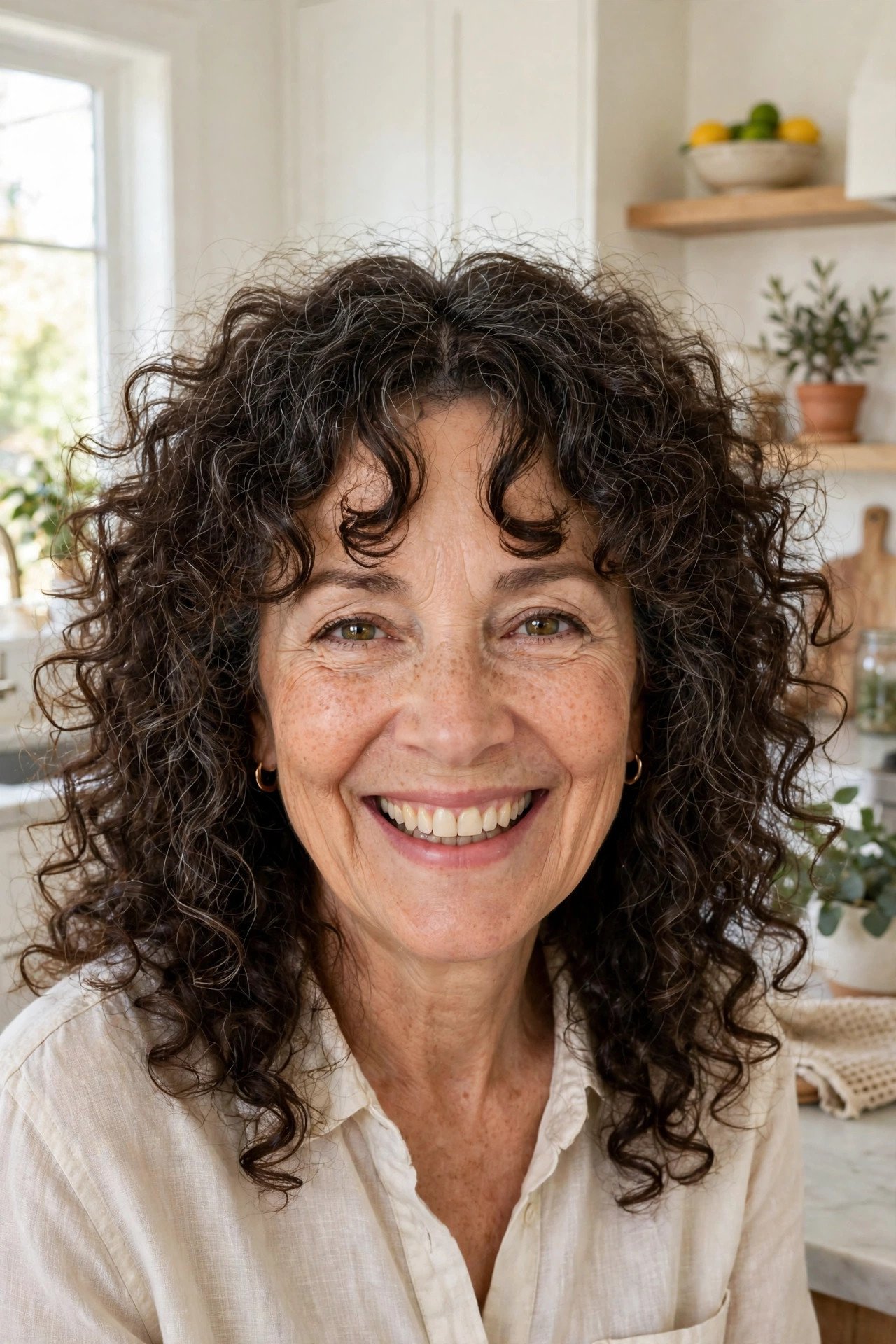
Curly fringes got a bad name from the eighties. The modern version is cut completely differently.
Each curl is cut on its own, dry, and left far longer than feels safe, because curls spring up as they dry. The centre part lets the front curls fall to both sides in loose spirals that frame the eyes. Never let anyone stretch your curls straight and cut the fringe wet. That is how the old short, boxy shape happened.
- Cut dry, curl by curl
- Longer than you expect, always
- Refresh with water, not heat
Fringe stretched straight and cut wet, then springing up short and boxy as it dries.
Cut dry, curl by curl, so the front spirals fall softly to both sides of the face.
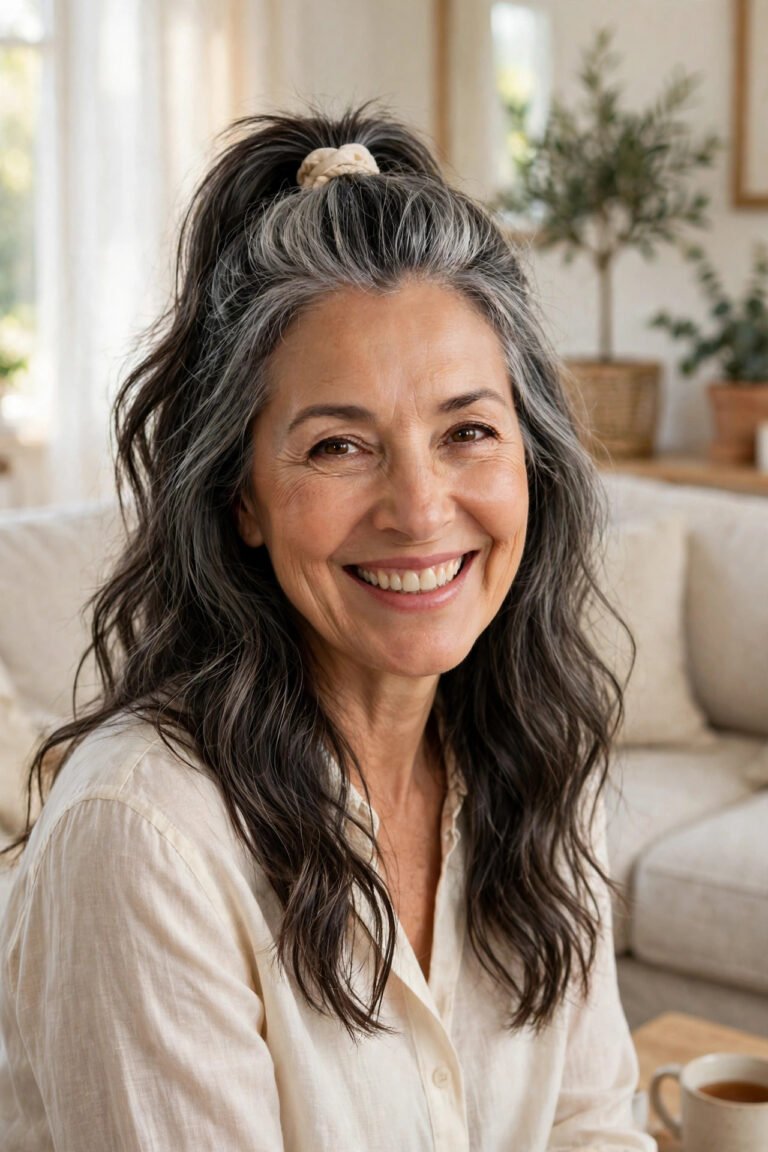
8. Curtain Bangs in a Silver Grey Blend
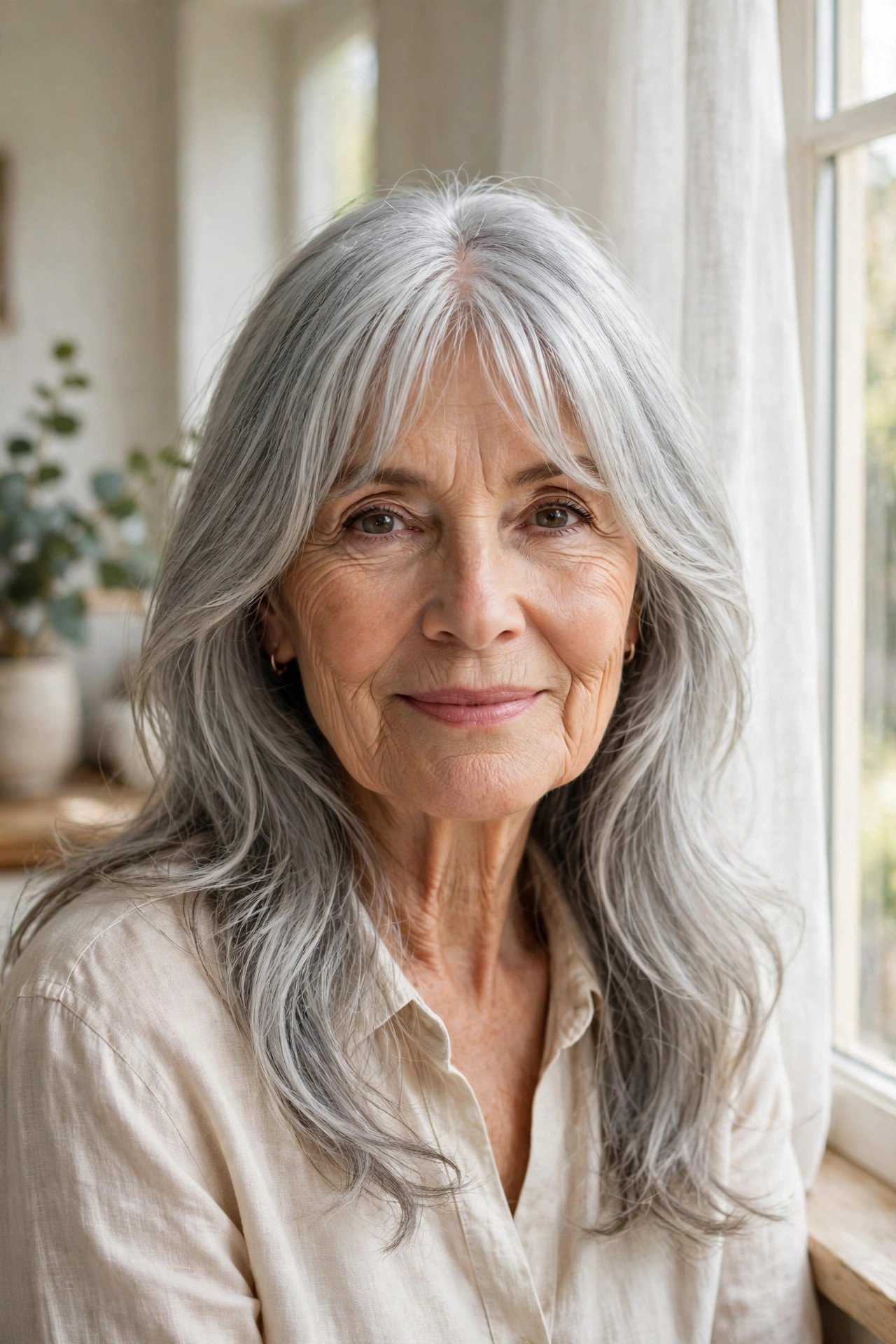
Grey hair changes the fringe question. The texture is often coarser, and the colour deserves to be shown, not hidden.
Curtain bangs suit a silver blend because the centre part spreads the lightest strands across the front, where they catch the light first. Ask your stylist to keep the fringe a touch longer than usual. Coarse grey hair sits stiffer, and extra length lets it lie in a smooth sweep instead of sticking forward. A purple toning shampoo once a week keeps the silver clear and bright.
📌 Good To Know
Silver strands often grow in coarser than pigmented hair. The longer fringe length is not a mistake. It is what lets the sweep lie flat instead of poking forward.
9. Curtain Bangs with Glasses

Glasses and a fringe can share the same face happily. The frames just set the length.
Wear your glasses to the appointment and have the fringe cut while they are on. The top of the frames marks the line the shortest pieces should clear, so nothing pokes into your eyes or rests on the lenses. Slightly longer corners work well with wider frames, because the sweep follows the frame shape out to the temples.
- Bring the glasses you wear most
- Shortest pieces clear the frame top
- Check the fit sitting and standing
10. Curtain Bangs with a Shoulder-Length Lob
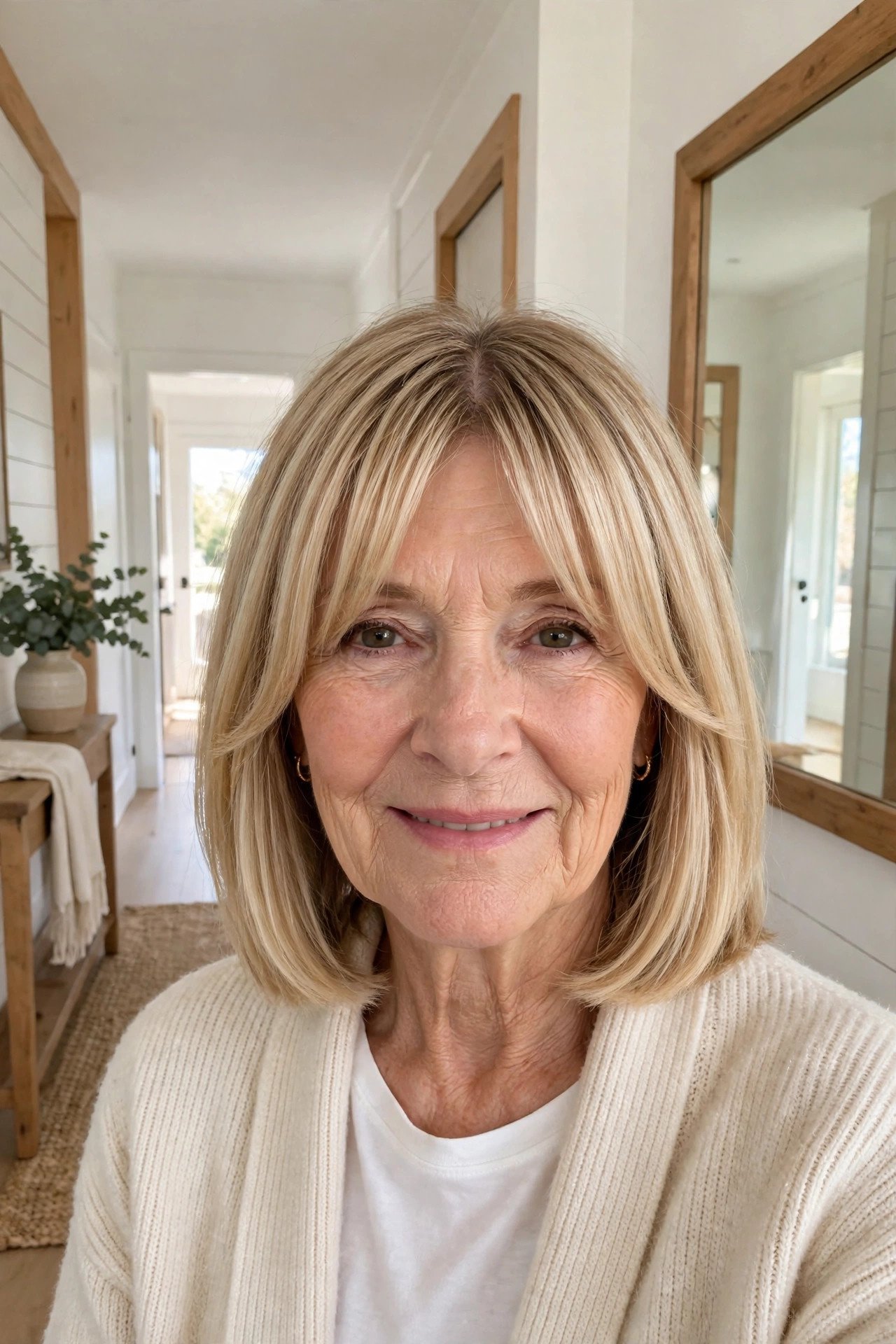
The lob is the length most women land on, and the curtain fringe is its natural partner.
Shoulder length hair can hang in two straight curtains of its own, which is why the fringe matters here. It breaks up the front and gives the lob movement at the face, while the ends keep their blunt, tidy line. Part the fringe while wet, dry it forward, then push each side out and back so it sits in the open sweep.
The whole front takes under three minutes.
Part the wet fringe straight down the centre.
Dry it forward with a round brush until it falls as one piece.
Push each side out and back so it settles into the open sweep.
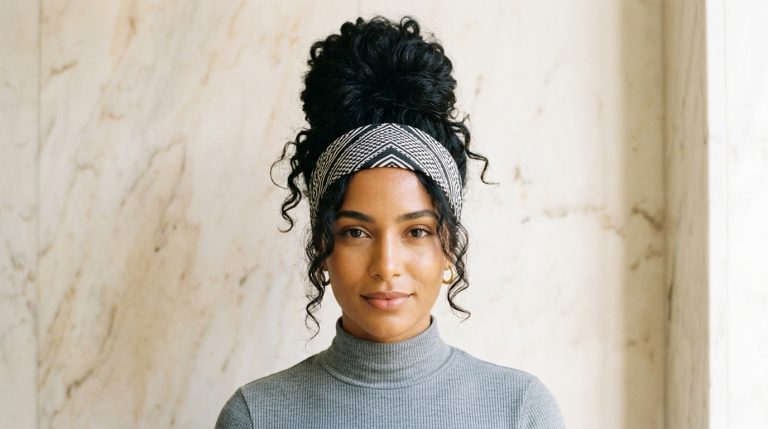
11. Curtain Bangs with a High Ponytail
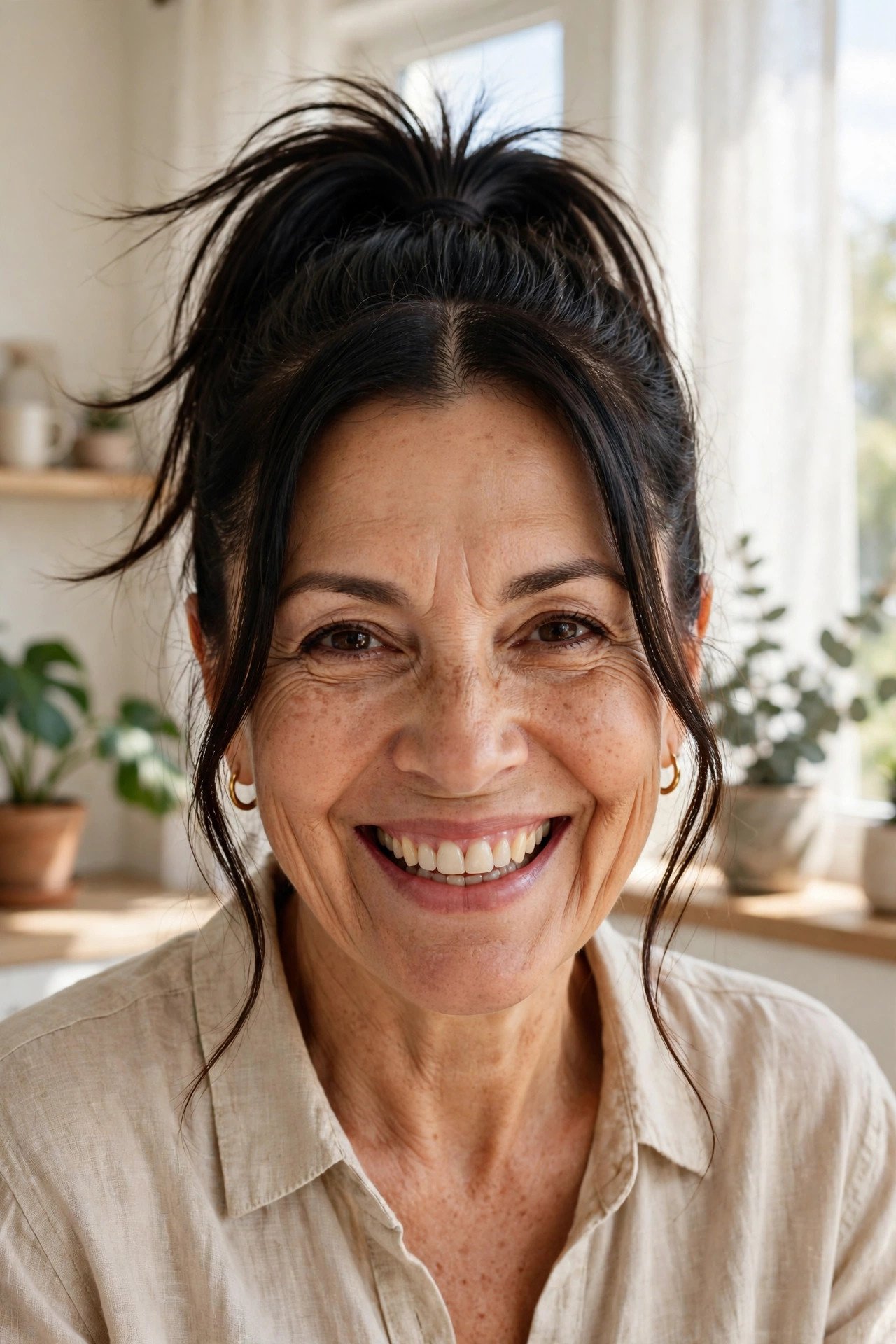
A high ponytail lifts everything. Two loose pieces at the front stop it looking stern.
Before you tie the hair up, section out the fringe and the soft corners beside it. The ponytail takes the rest, and the curtain pieces stay down, curving along the cheekbones. It is the same trick used for red carpet updos, scaled down for school runs and lunches out. A quick bend with a straightener or a large roller keeps the loose pieces smooth instead of stringy.
Section the fringe out before the ponytail goes up. Once the band is in, the face frame is much harder to rescue.
12. Wispy Curtain Bangs for Fine Hair
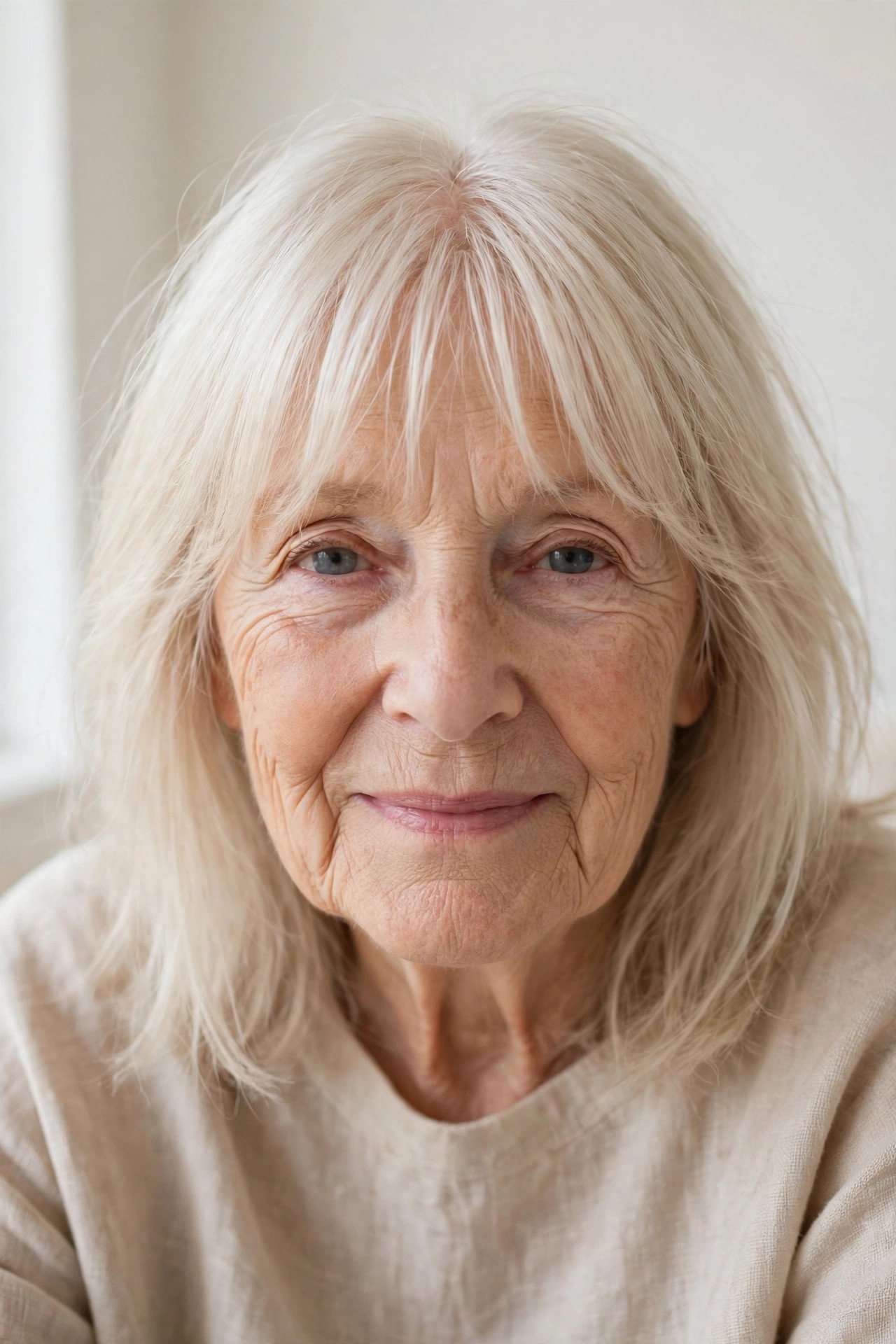
The common mistake with fine hair is copying a fringe cut on thick hair. The result sits see through and stringy.
Fine hair needs a smaller section taken from further back, with fewer strands in the fringe itself. Wispy is the goal, not thin by accident. The corners should stay feather light, and the centre pieces need enough length to sweep rather than poke. Blow dry with your fingers instead of a heavy brush, and skip rich creams that weigh the front down by midday.
⚠️ Watch Out
Heavy styling cream is the enemy of a fine fringe. It separates into strings by midday. A light mousse at the roots only keeps the sweep airy.
13. Curtain Bangs for Thick Hair, Feathered at the Ends
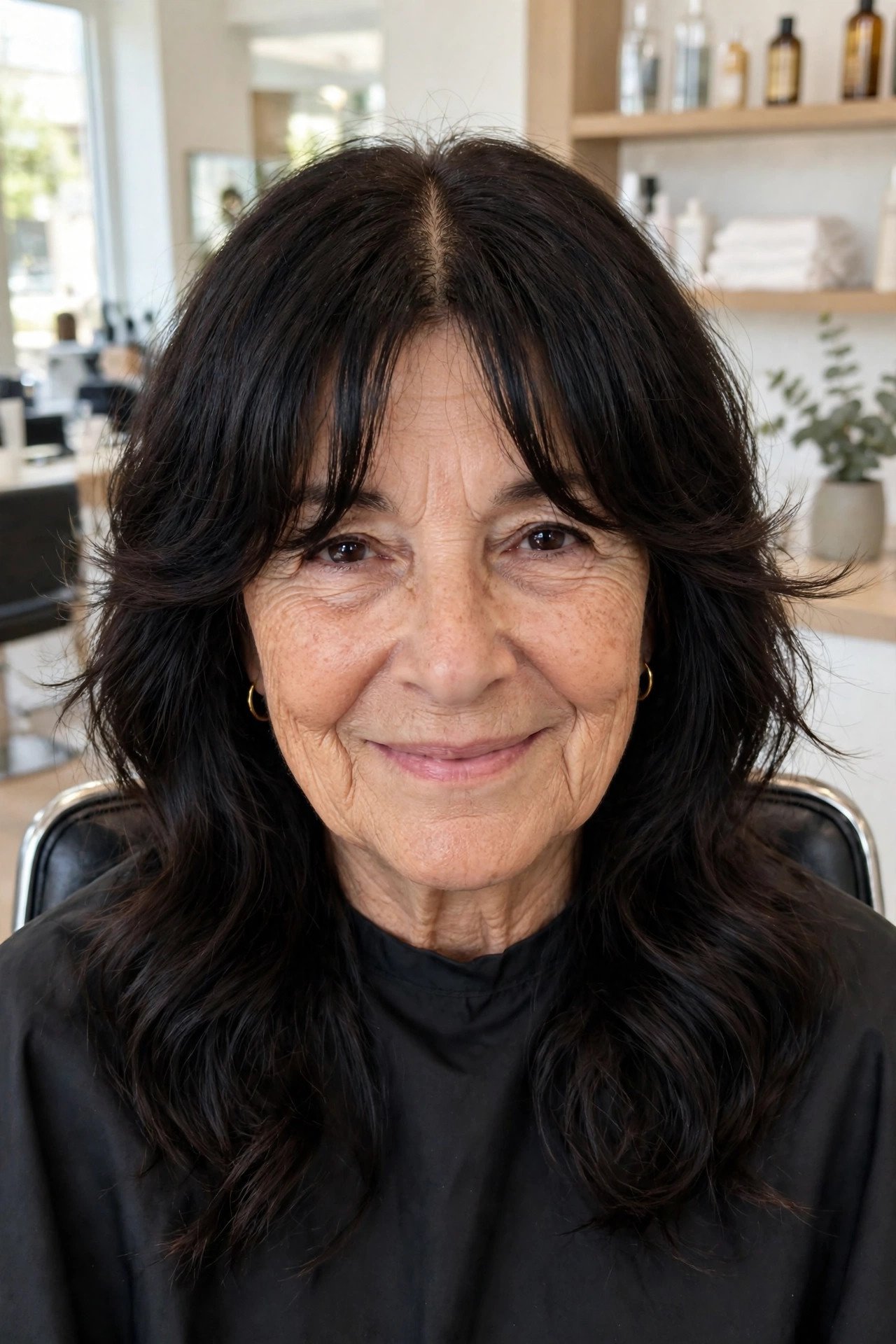
Rule for thick hair: the fringe must lose weight before it gains shape.
Thick hair cut into a solid curtain fringe pushes forward like a shelf. The fix is feathering. Your stylist should thin the ends with point cuts and take small slices out of the underside, so the fringe can curve back along the face instead of standing out from it. Ask for the corners to reach the jawline. On thick hair, shorter corners spring up and out.
- Point cut ends, never one blunt line
- Underside slices remove the bulk
- Jawline corners stay calm
Feather the ends with point cuts so the fringe can curve.
Take the bulk out from the underside in small slices.
Leaving the fringe as one solid block of hair.
Corners cut above the cheekbones that spring outward.
14. Cheekbone-Length Curtain Bangs
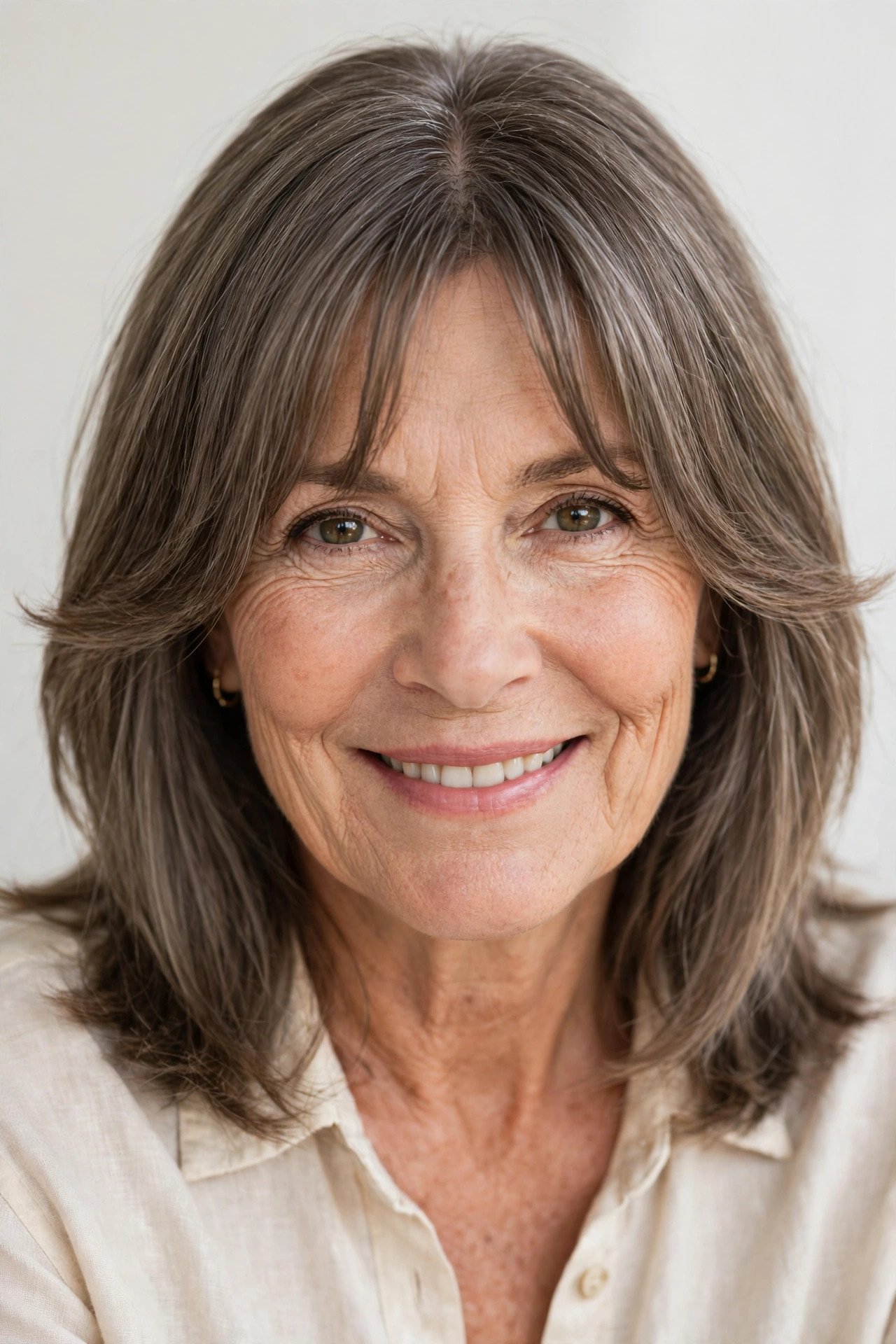
Cheekbone length is the shortest a curtain fringe can go while still reading as a curtain.
The centre pieces end right where the cheekbones peak, so the sweep is short, open and bright around the eyes. It suits women who found longer fringes annoying by lunchtime, because nothing falls into the face while you read, cook or drive. The trade off is upkeep. This length shows growth fast, and most women book a quick fringe trim every three to four weeks.
- Brightest option around the eyes
- Nothing falls into the face
- Needs the most frequent trims
- ▸Shortest point: the top of the cheekbones.
- ▸Best for: women who hate hair falling into their eyes.
- ▸Trim rhythm: a quick fringe trim every three to four weeks.
15. Long Curtain Bangs That Reach the Jawline

Long curtain bangs blur the line between fringe and layers, and that blur is the appeal.
The centre pieces reach the jawline before sweeping out, so on tired days the whole front can tuck behind your ears and vanish into the cut. On good days it frames the face in two long curves. This is the lowest commitment version on the list. If you are testing the idea of a fringe for the first time, start here, because growing it out means doing nothing at all.
16. Curtain Bangs with Feathered Layers
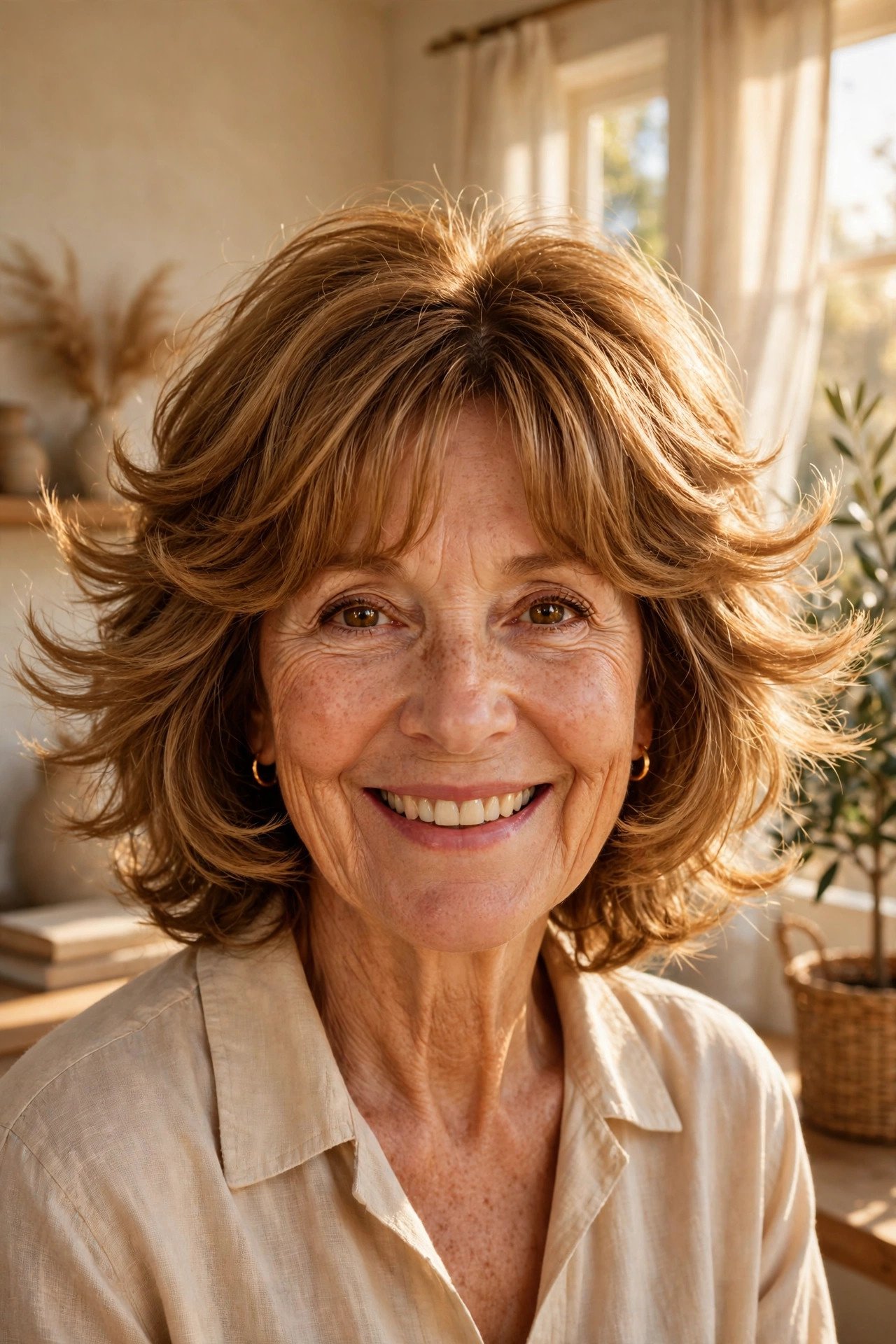
Feathered layers had the frame built in long before fringe names existed.
The flicked out layers around the face do the same job as a curtain fringe, sweeping from a centre part down past the cheekbones. Ask your stylist to connect the two: cut a soft curtain fringe first, then feather every layer outward from its corners. A round brush and a dryer pointed down and out gives the flick. Flat, straight down drying is what makes this style look dated.
- Dry down and out, never flat
- Layers start at the fringe corners
At the salon, ask for
17. Curtain Bangs with a Blunt Bob
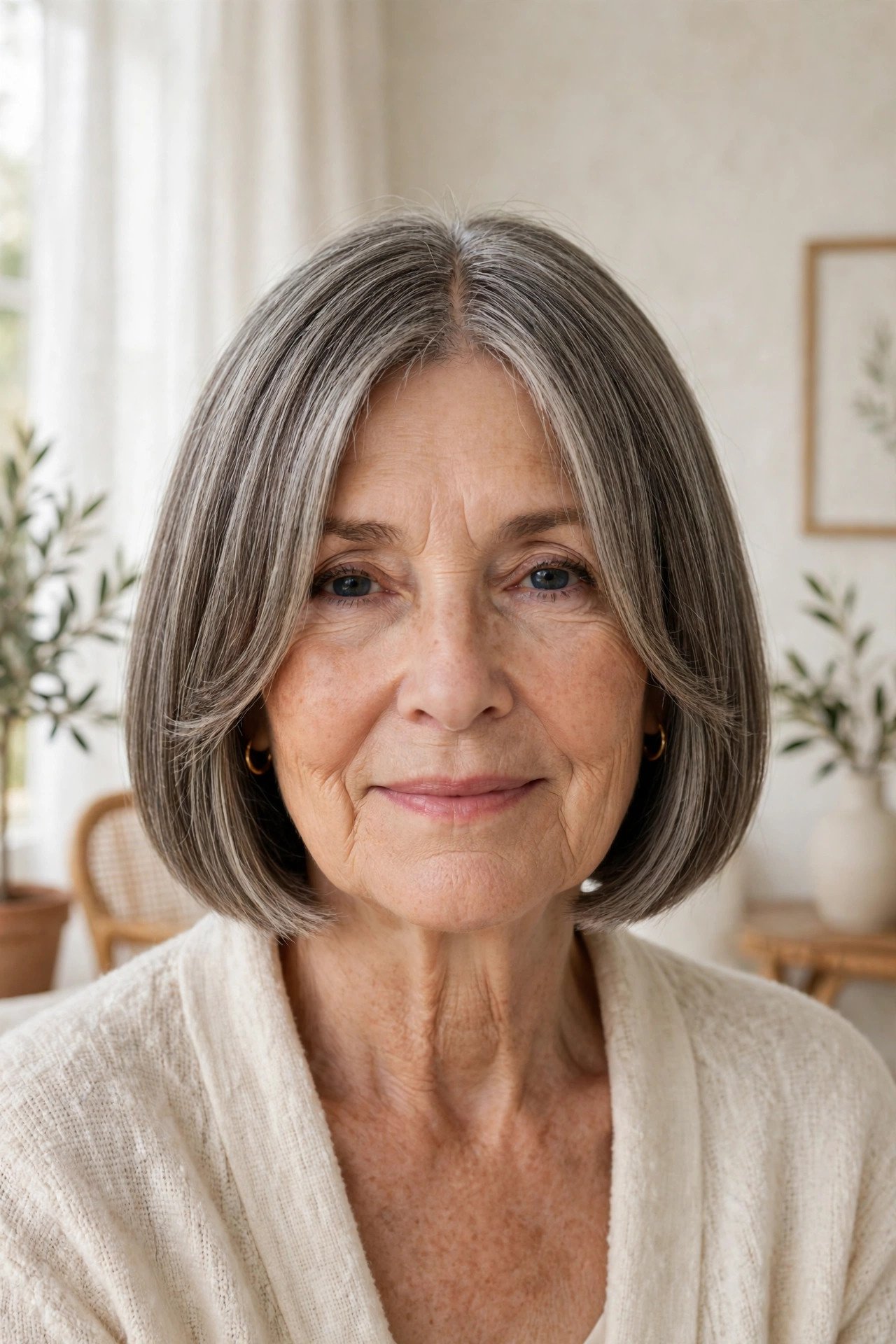
A blunt bob is all hard lines. The curtain fringe is where the softness comes in.
Keep the bob’s edge cut in one clean line at the jaw, and let the fringe do the opposite: centre parted, curved, and longer at the corners. The mix reads polished rather than harsh, which is why this pairing suits strong jawlines so well. One warning from experience: blunt ends show every millimetre of growth, so this pairing needs the most regular trims on the list.
Blunt bob worn with a full straight fringe. Two hard lines compete, and the face looks boxed in.
The same blunt edge with a centre parted fringe. One hard line, one soft curve, and the face wins.
18. Curtain Bangs with Face-Framing Highlights
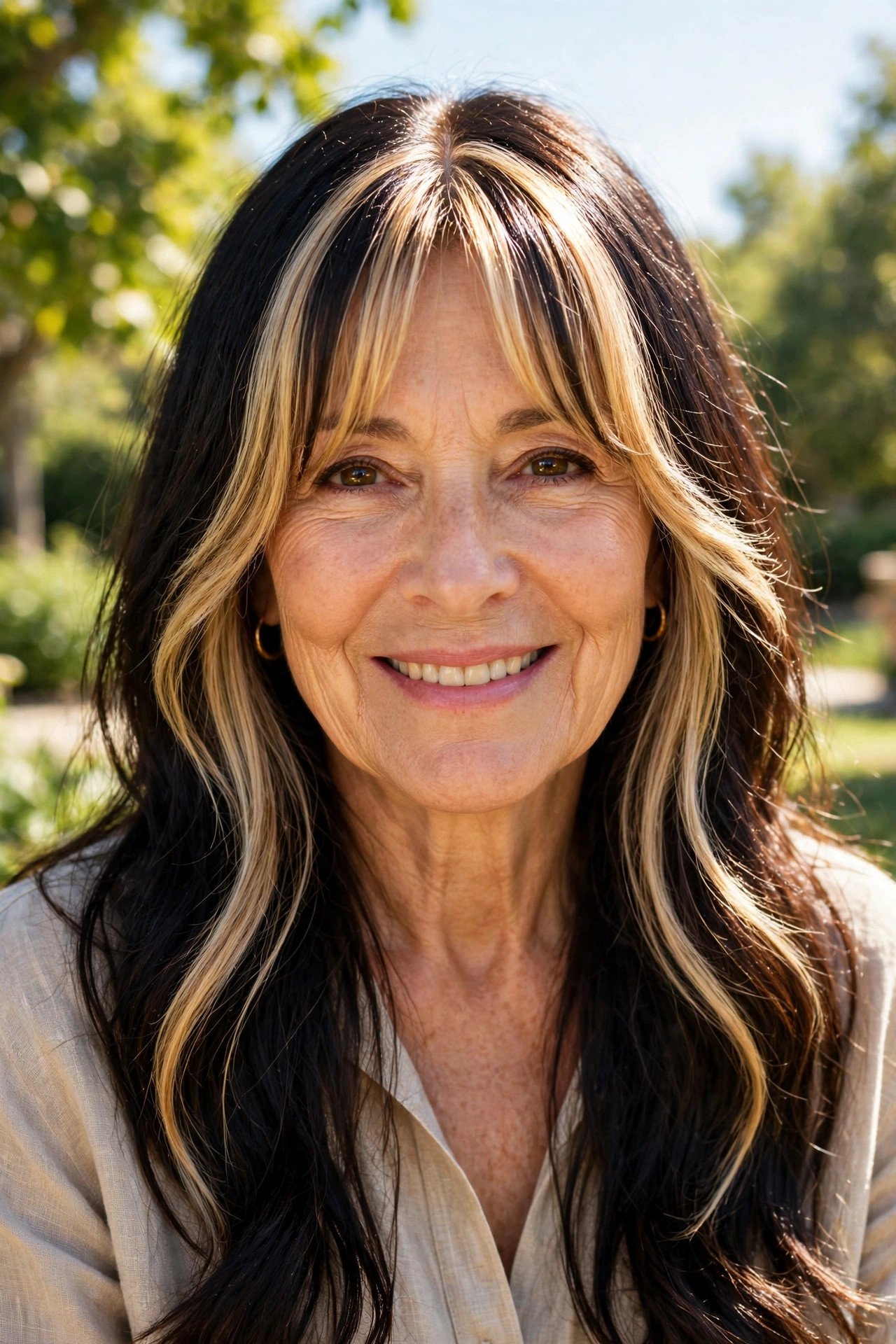
Colour can draw the curtain shape for you.
Face framing highlights follow the fringe from the centre part down both sides, a shade or two lighter than the rest of the hair. The lighter strands make the sweep visible even on days when the styling is minimal, and they brighten the skin on either side of the face. Keep the light pieces soft and blended at the root. A hard stripe on each side looks dated fast and grows out with a visible line.
| Soft Root Blend | Hard Stripe Each Side |
|---|---|
| Grows out with no visible line. | A clear line shows within weeks. |
| The sweep reads soft and natural. | Can look dated very quickly. |
| Topped up at your normal colour visit. | Needs frequent softening at the root. |
19. Curtain Bangs with a Low Bun
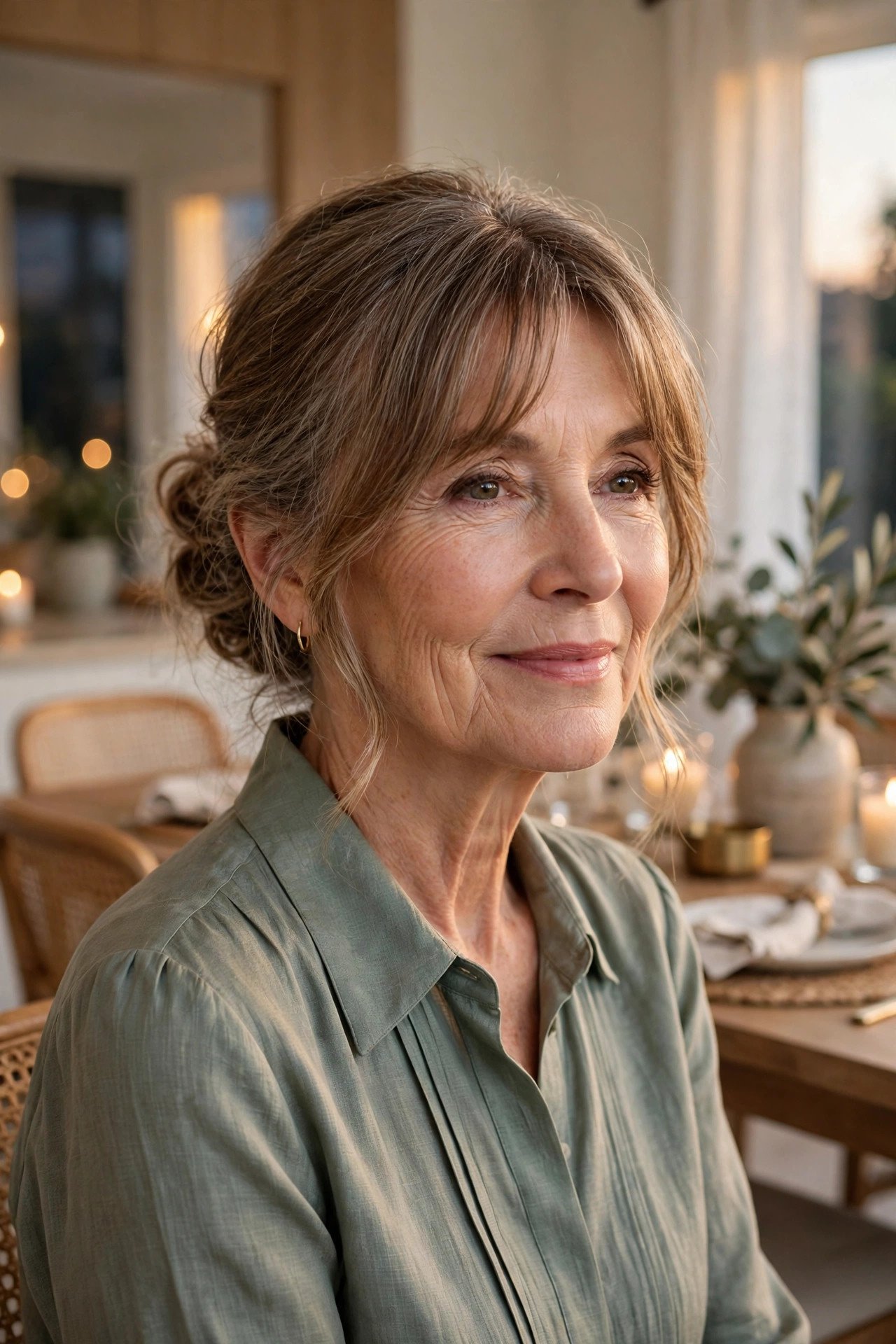
Sunday lunch, hair up, and the front still looks done. That is the low bun with its fringe left out.
Pull the lengths back into a low bun at the nape, and leave the curtain fringe plus a whisper of the corner pieces loose. The front keeps its soft frame while the back looks neat, which is why this pairing works for dinners and photos. Twist the bun loosely rather than pulling it tight. A severe scrape back fights the softness the fringe is there to give.
Loose bun, loose front. The moment the bun is pulled tight and severe, the soft frame stops working.
20. Curtain Bangs for a High Forehead
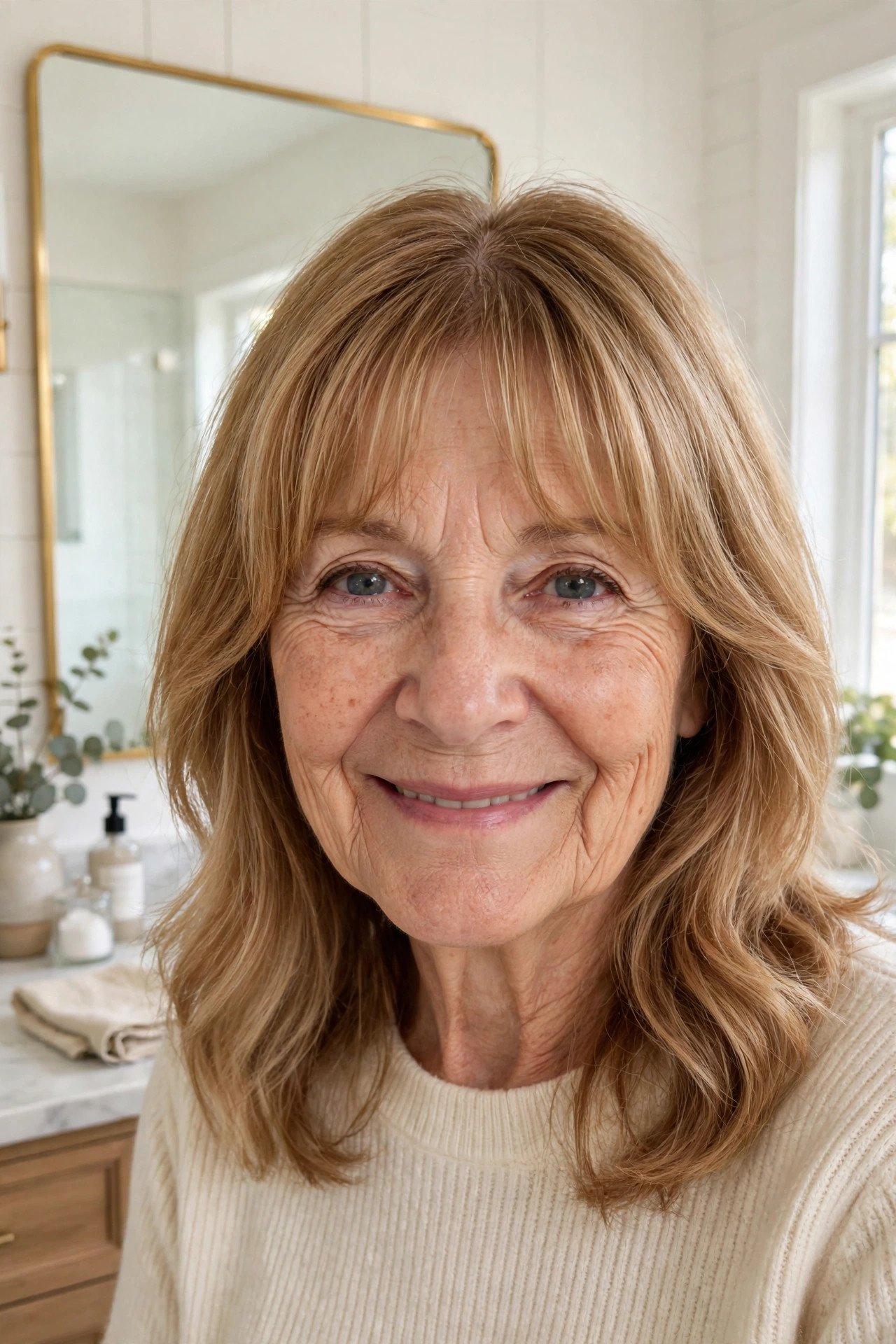
A high forehead is the reason many women over 50 ask about a fringe in the first place.
Curtain bangs answer it gently. The centre pieces can be left a little longer, falling lower over the forehead before they sweep out, so the forehead reads shorter without a heavy straight line across it. Side pieces at cheekbone length keep the balance. If a full fringe felt like a lid in the past, this open version will feel completely different on your face.
Part the fringe down the centre while it is still damp.
Dry the longer centre pieces downward first, so they settle lower.
Sweep each side out and back at the cheekbones to open the face.
One fringe shape, twenty very different haircuts. That range is the real point. Curtain bangs work because the centre part and longer corners bend around your face instead of covering it, so the softness stays while the style changes.
Pick the pairing closest to the hair you already have, save a photo of it, and show your stylist the corner length as well as the front. If you are saving ideas for your next appointment, pin this list of curtain bangs over 50 so the photos sit ready on your phone.