Cream vs Powder Makeup Over 50: Which Is Better?
Most women over 50 own both kinds of makeup and still pause at the mirror, unsure which one to reach for. The cream blush that looked lovely in spring turns shiny by July. The powder that behaved for years suddenly settles into every line. The products did not change. Your skin did, and that is why the cream vs powder makeup over 50 choice deserves a fresh look.
This is not a contest with one winner for everyone. It is about matching the formula to the skin you have today: its dryness, its shine, its lines, and the kind of day ahead of you.
Below, cream and powder go head to head on the twelve points that decide how your makeup looks at four in the afternoon, from fine lines and dry patches to blush, eyeshadow, and summer heat. By the end, you will know which one belongs on your cheeks, which one earns its place on your T-zone, and where the two work better as a team than as rivals.
1. Cream Finish vs Powder Finish
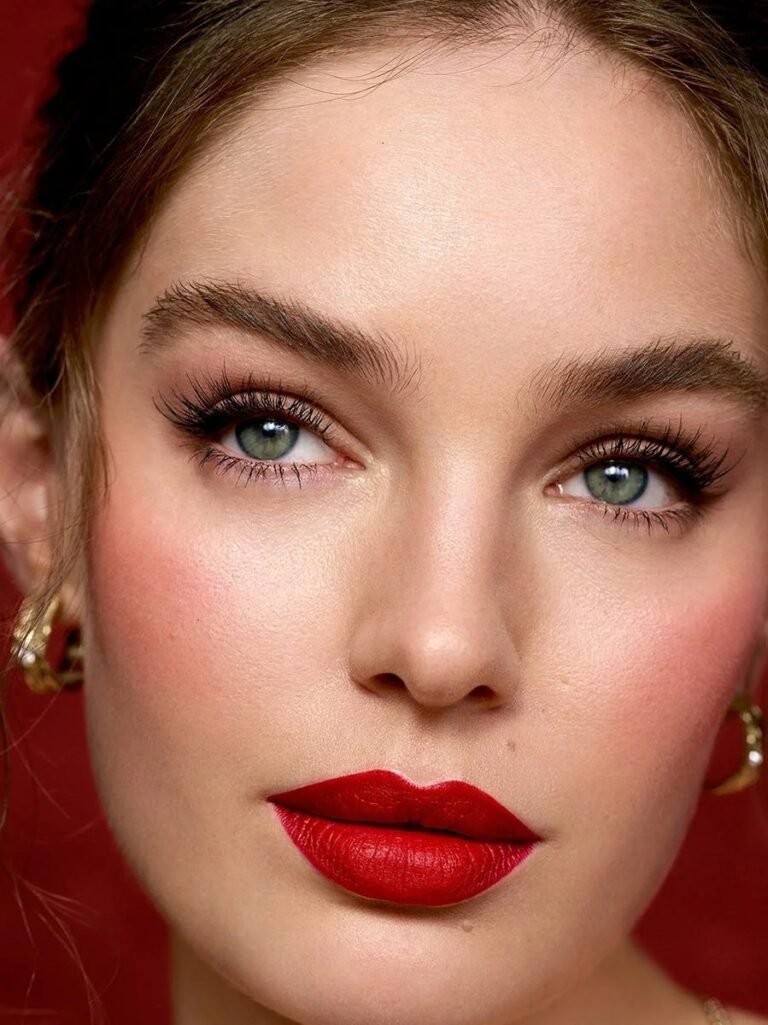
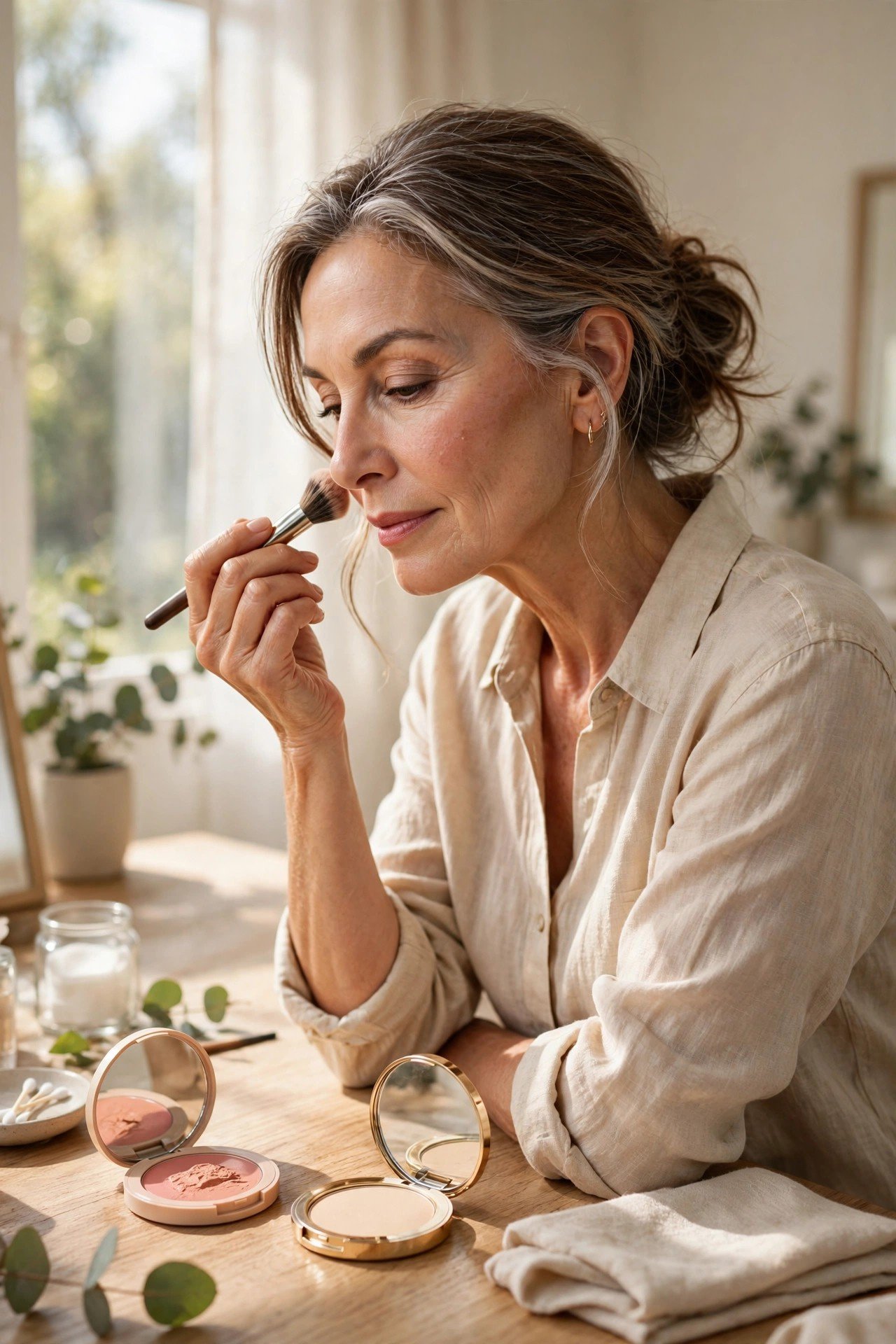
Cream makeup melts into the skin and leaves a finish that looks like skin on a good day, with a soft sheen that catches light the way younger skin does. Powder sits on top and takes shine down, giving a smooth, even, matte surface.
- Cream reads dewy, fresh, and slightly luminous.
- Powder reads polished, velvety, and shine free.
- On dull or flat skin, cream brings life back faster.
Dry or tired looking skin usually votes for cream. Skin that turns shiny by noon usually votes for powder.
| Cream | Powder |
|---|---|
| Sheen: soft glow, light bounces gently off the skin. | Sheen: matte and even, shine absorbed on contact. |
| Surface feel: melts in and moves with the skin. | Surface feel: sits on top and smooths the surface. |
| First pick for: normal to dry skin, dull days. | First pick for: oily patches, humid weather. |
2. Cream Around Fine Lines vs Powder Around Fine Lines
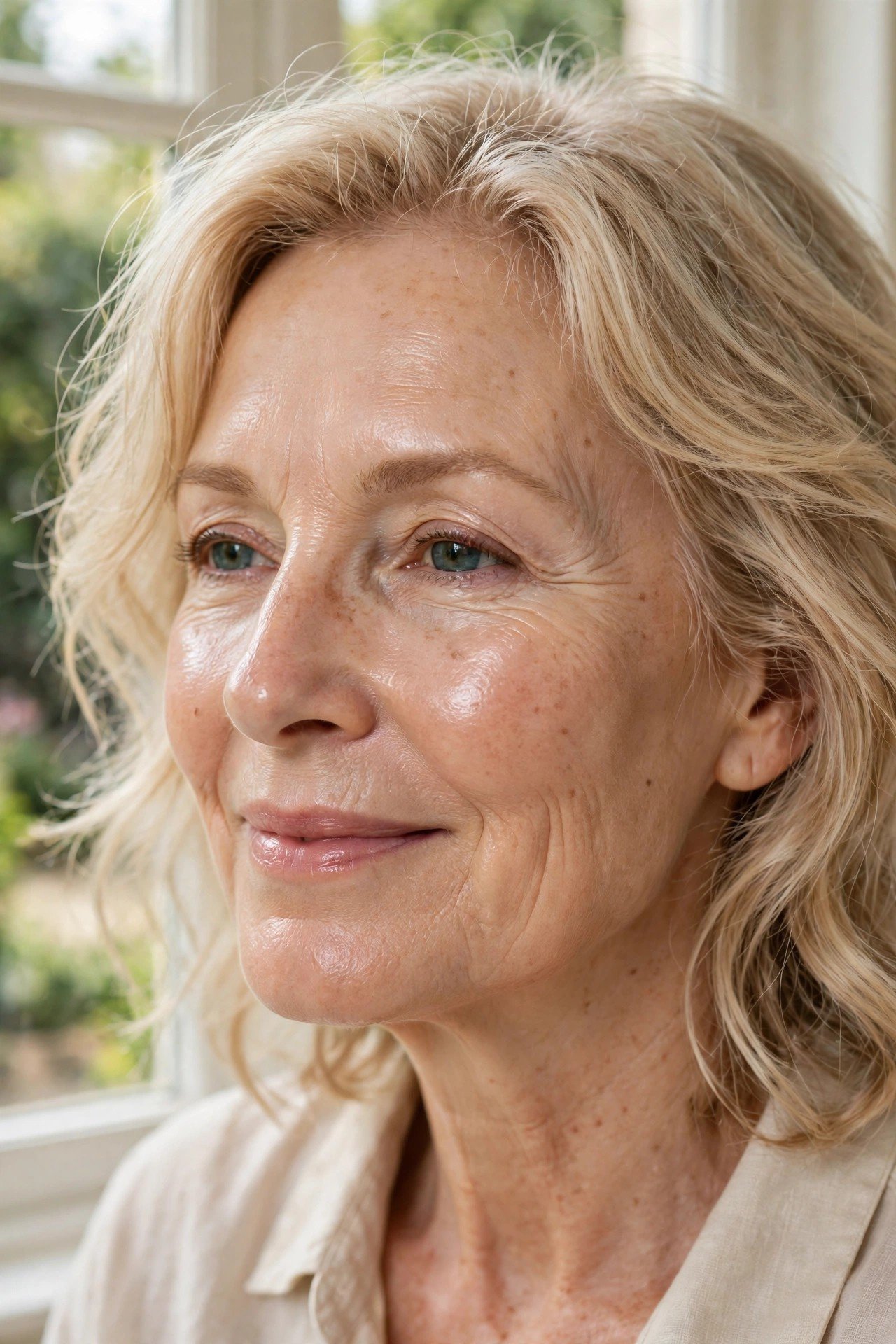
Fine lines are where the two formulas part ways. Cream stays flexible, so it moves when you smile instead of settling into every crease. Powder can gather in lines and make them look deeper, mostly when too much goes on at once.
- Thick powder over lines is the most common culprit.
- A lighter hand changes the whole result.
- Cream still needs gentle blending at the edges of lines.
If your lines look deeper by midday, switch that area to cream. If powder is your habit, use half of what you think you need.
Buff cream on in thin layers and let each layer settle for a minute.
Press around the eye area with a fingertip instead of dragging.
Piling powder into smile lines to set them. It settles deeper as the day warms up.
Baking under the eyes. It was made for stage lights, not daylight.
3. Cream on Dry Skin vs Powder on Dry Skin
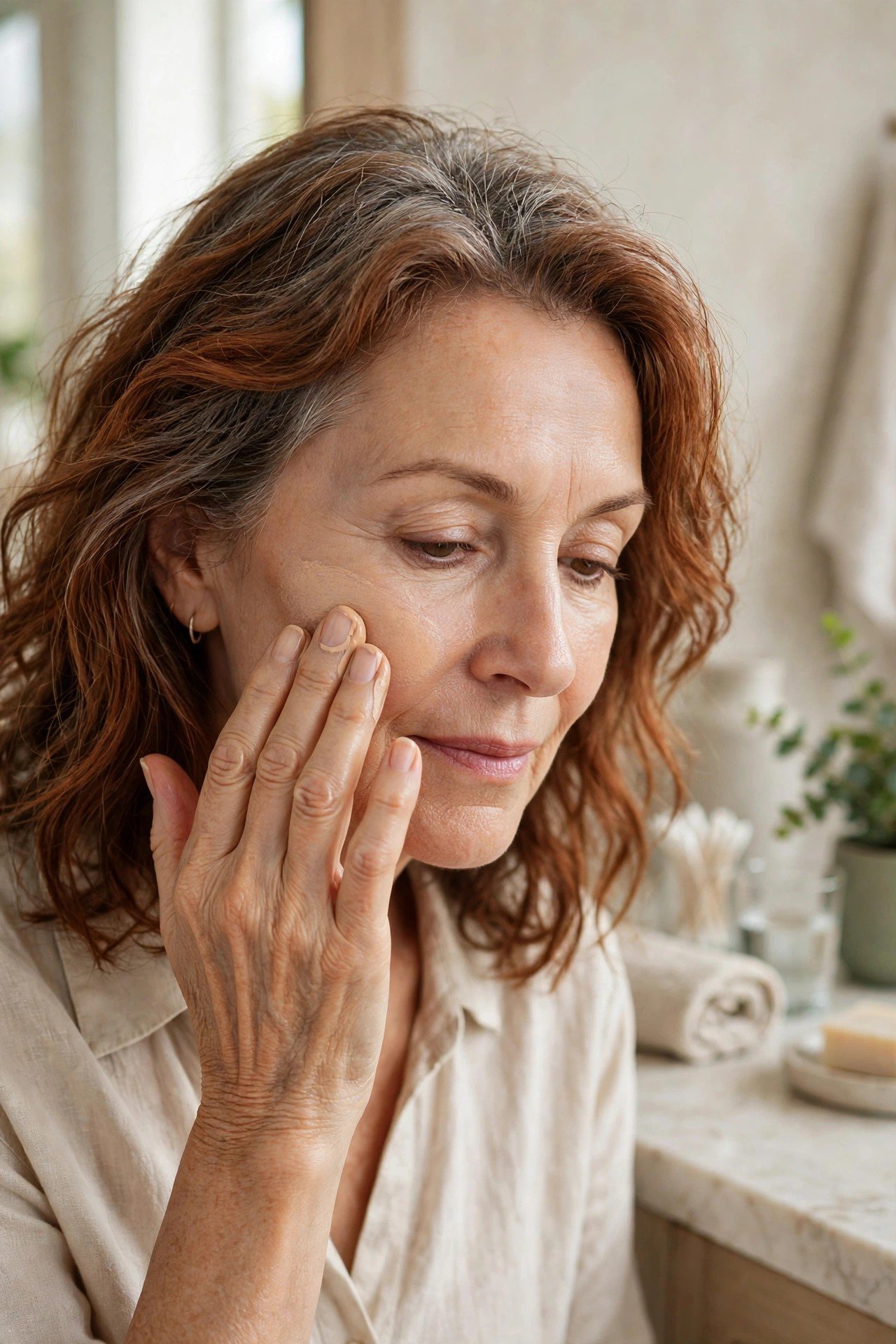
Dry skin drinks moisture and then asks for more, so cream formulas feel like relief. They sit in the skin instead of on it, and flaky patches stay calmer under them.
- Cream adds a moist look before it adds any colour.
- Powder can cling to dry patches and outline them.
- A cream blush over a cream base keeps the whole face consistent.
If your skin feels tight by midday, cream is the kinder base. Powder can still help on the nose, in a very small amount, pressed on at the end.
4. Cream on Oily Skin vs Powder on Oily Skin
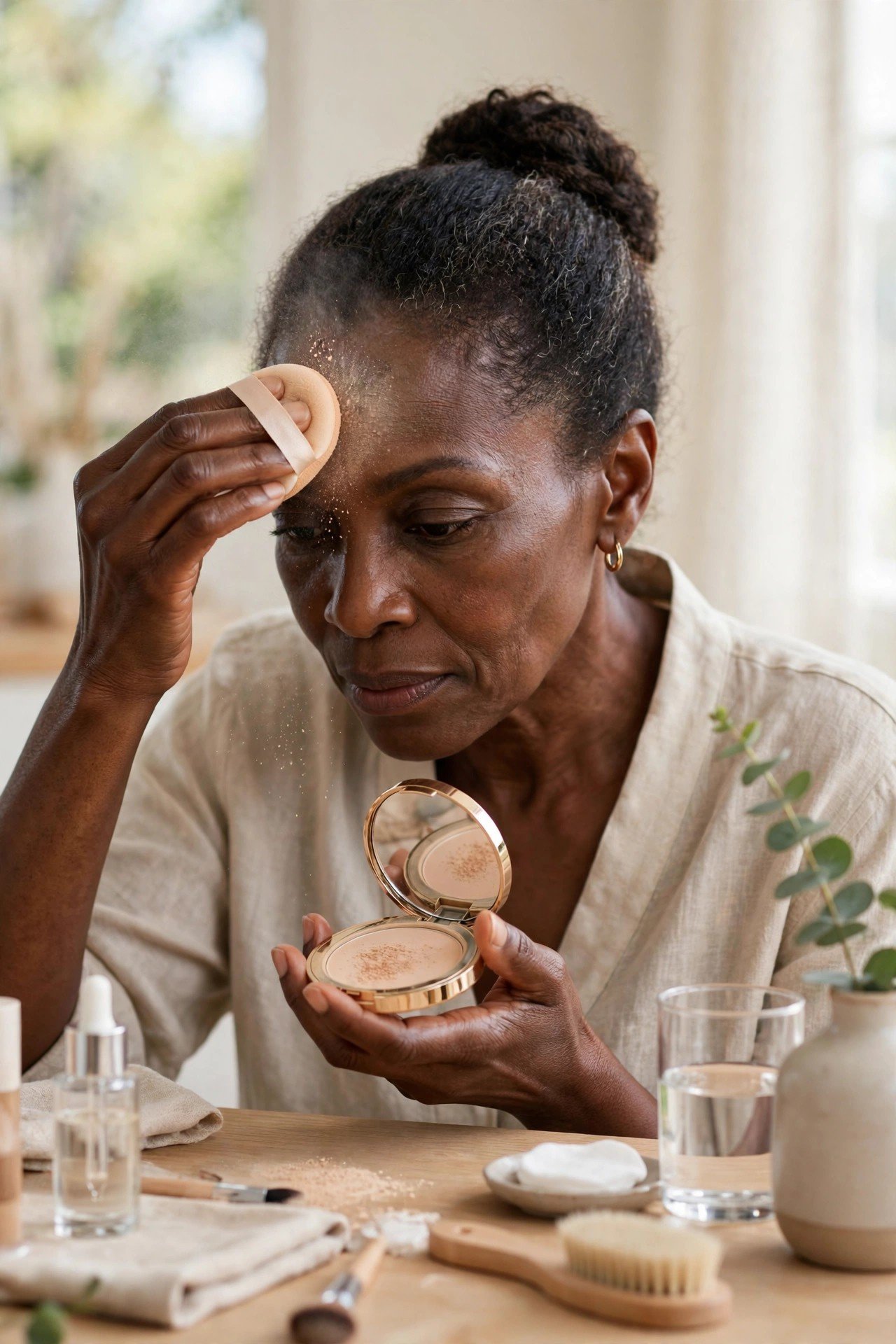
An oily T-zone changes the maths. Cream can slide on a shiny forehead and break up around the nose by early afternoon. Powder absorbs oil as it appears, which keeps the centre of the face looking fresh for longer.
- Blot first, always, before adding anything new.
- Press powder into the T-zone with a puff, not a brush.
- Leave the cheeks alone if they run dry.
Combination skin rarely needs one winner. Powder down the middle and cream on the outer face is a fair split most days.
💡 Quick Tip
Powder only where you shine. Press it into the forehead, nose, and chin, and let the drier areas keep their cream finish. A full face of powder on combination skin ages the dry parts first.
5. Cream Wear Time vs Powder Wear Time

On a normal day indoors, a well applied cream base lasts from morning to early evening before it softens at the edges. Powder tends to hold its finish longer on oily skin, because it keeps absorbing as the hours pass.
- Cream fades evenly, which looks natural as it wears away.
- Powder can fade in patches where you touch your face.
- Heat and humidity shorten both, powder by a smaller margin.
For a long event, many women layer the two: cream first for the skin look, powder pressed lightly on top to hold it in place.
6. Cream Blush vs Powder Blush
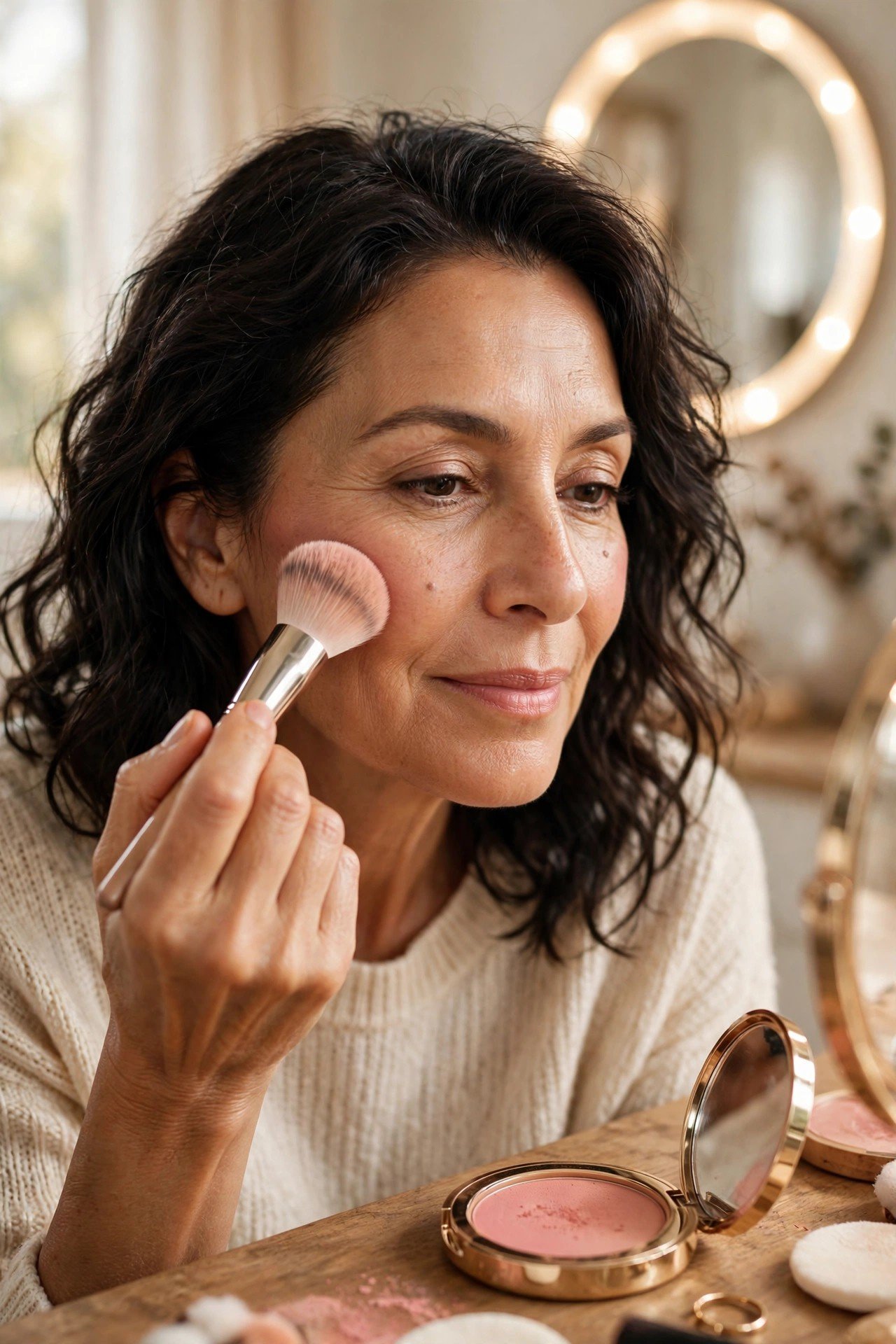
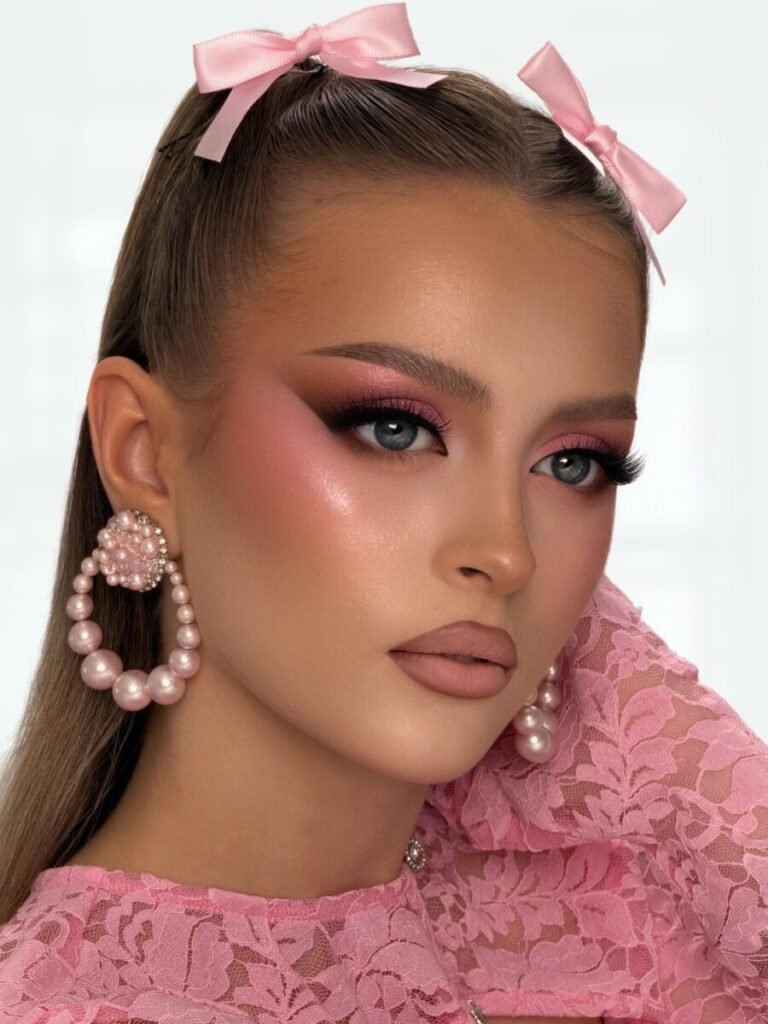
Cream blush gives the kind of flush that looks like it came from a walk outside. It blends with fingertips, needs no brush, and melts into a cream base without a visible edge.
- Powder blush gives cleaner placement when you want a defined cheek.
- On textured cheeks, powder can sit in pores and look spotty.
- Cream blush doubles as a quick lip tint in a pinch.
For a soft, healthy look, cream wins most days. For a dressed up cheek with clear edges, powder gives you more control.
| Cream blush | Powder blush |
|---|---|
| Blending: fingertips, melts into the base. | Blending: brush, placement stays where you put it. |
| Edge: soft, with no hard line. | Edge: defined, can look sculpted. |
| Best skin: dry to normal. | Best skin: normal to oily. |
7. Cream Eyeshadow vs Powder Eyeshadow
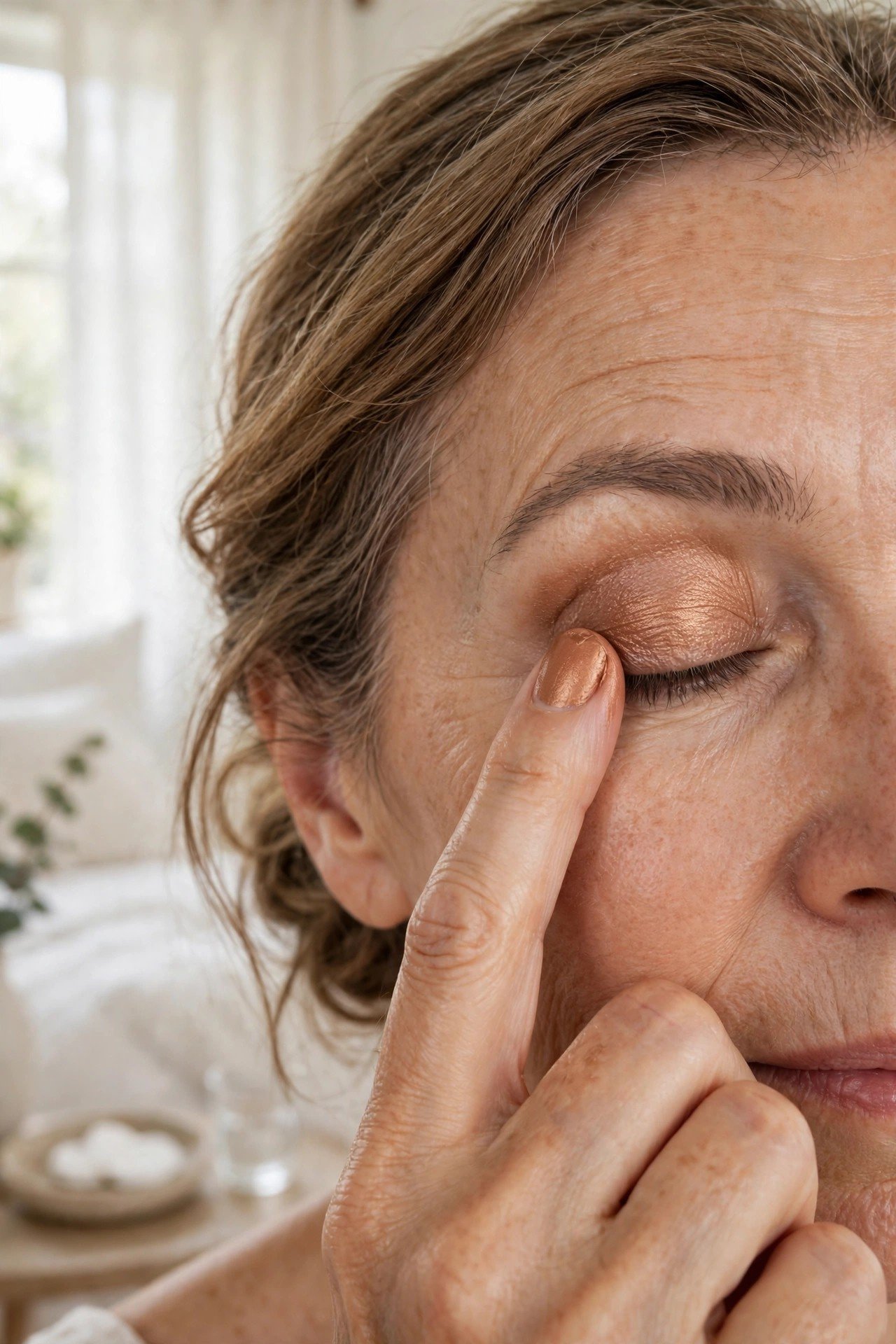
Eyelids get thinner and a little crepey with age, and this is where cream shadow quietly shines. One sweep with a fingertip gives smooth colour that does not skip over fine texture.
- Powder shadow can look patchy on dry lids.
- Powder offers more shades to blend for a smoky eye.
- Cream shadow can crease on oily lids by evening.
Dry lids, reach for cream. If your lids run oily, powder shadow over a thin base lasts the distance without gathering in the crease.
Dry, crepey lids. Powder shadow skips across the texture, settles into folds, and looks uneven by lunch.
One fingertip sweep of cream shadow. Smooth colour that moves with the lid and stays even on dry skin.
8. Setting with Cream vs Setting with Powder
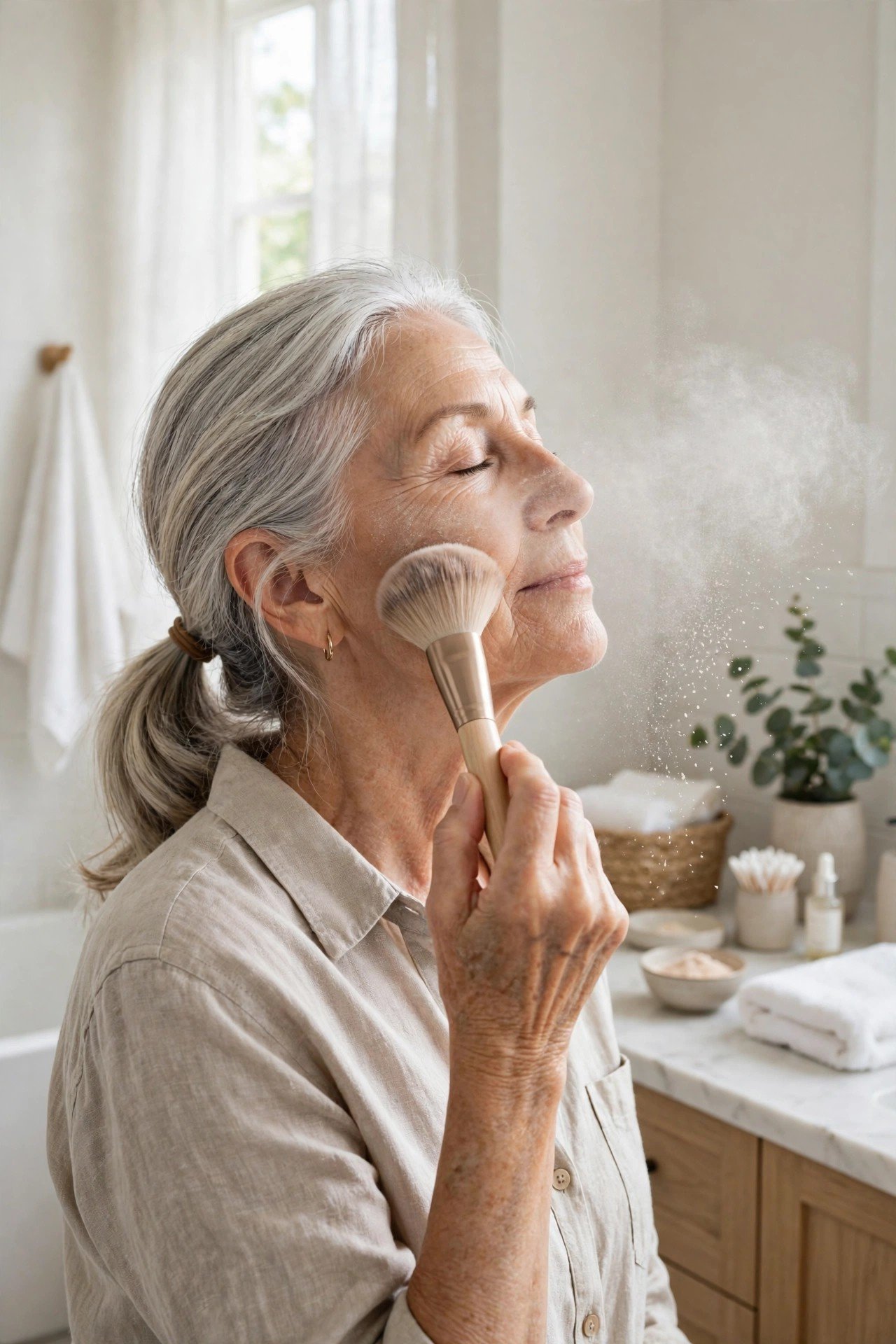
Setting is the step that decides how long everything else lasts. A cream routine sets itself as it settles into the skin, but it stays a little mobile, which is kind to lines. Powder locks makeup down properly, at the cost of some softness.
- Most faces over 50 need far less setting than habit suggests.
- Powder over the whole face flattens the life cream just added.
- Warm skin melts cream in. Cold, dry air leaves it sitting on top.
Set the zones that move or shine, and leave the rest alone.
Load a large brush, then tap off most of the powder over the sink.
Press and roll across the T-zone. Sweeping drags the base underneath.
Leave the cheeks and the eye area bare, so the finish stays soft.
9. Cream Touch-Ups vs Powder Touch-Ups
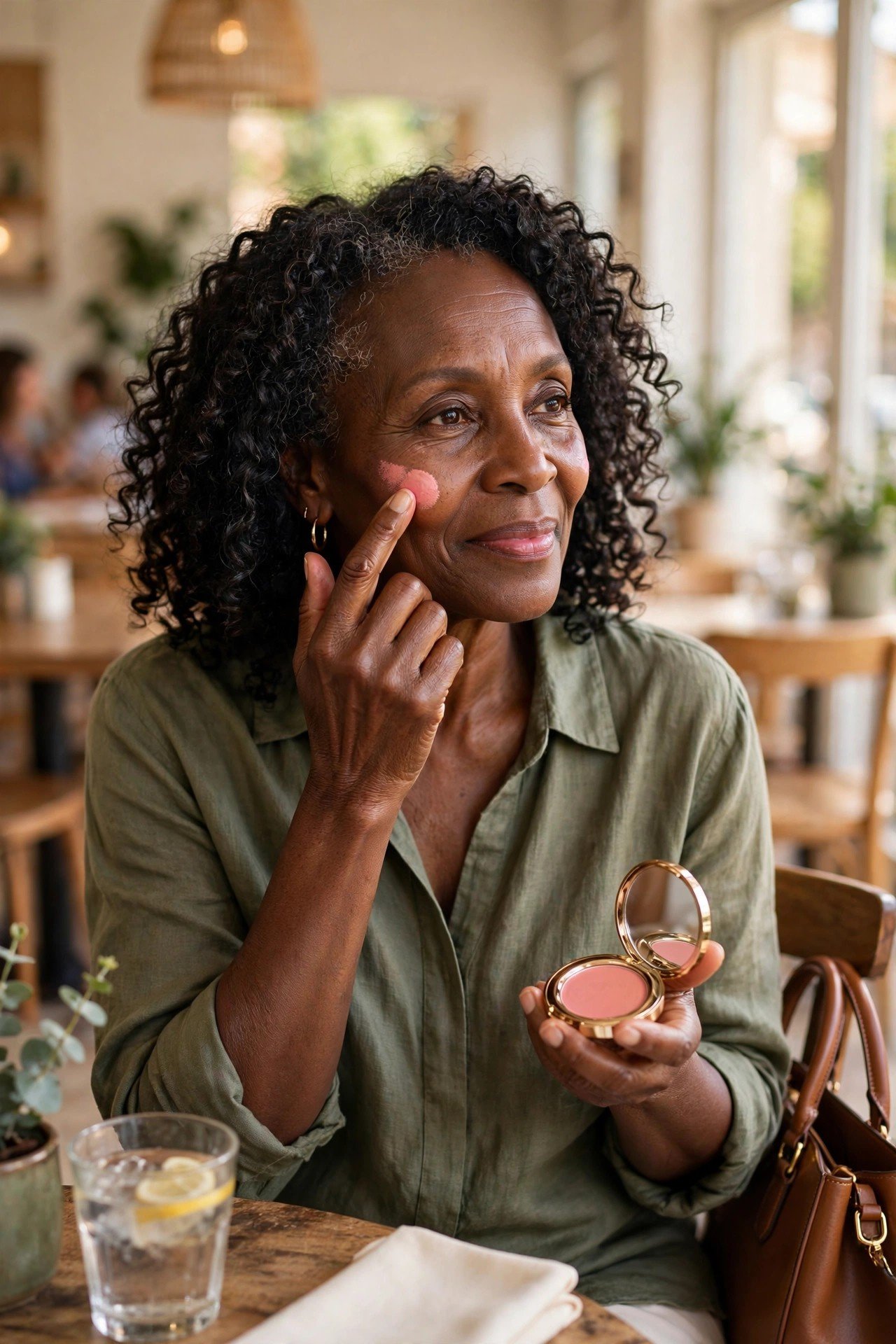
By mid afternoon most faces need a small rescue, not a redo. A dab of cream on the cheeks and around the mouth brings the life back in seconds, and it blends into what is already there.
- Powder touch-ups fix shine fast but build up by the third round.
- Cream touch-ups cannot fix a shiny forehead.
- Blotting paper first, then a tiny amount of either, beats a full new layer.
Match the rescue to the problem in front of you: dull means cream, shiny means powder.
Touch up the problem, not the whole face. Cream for dullness, powder for shine, and never both in the same spot.
10. Cream in Photos vs Powder in Photos
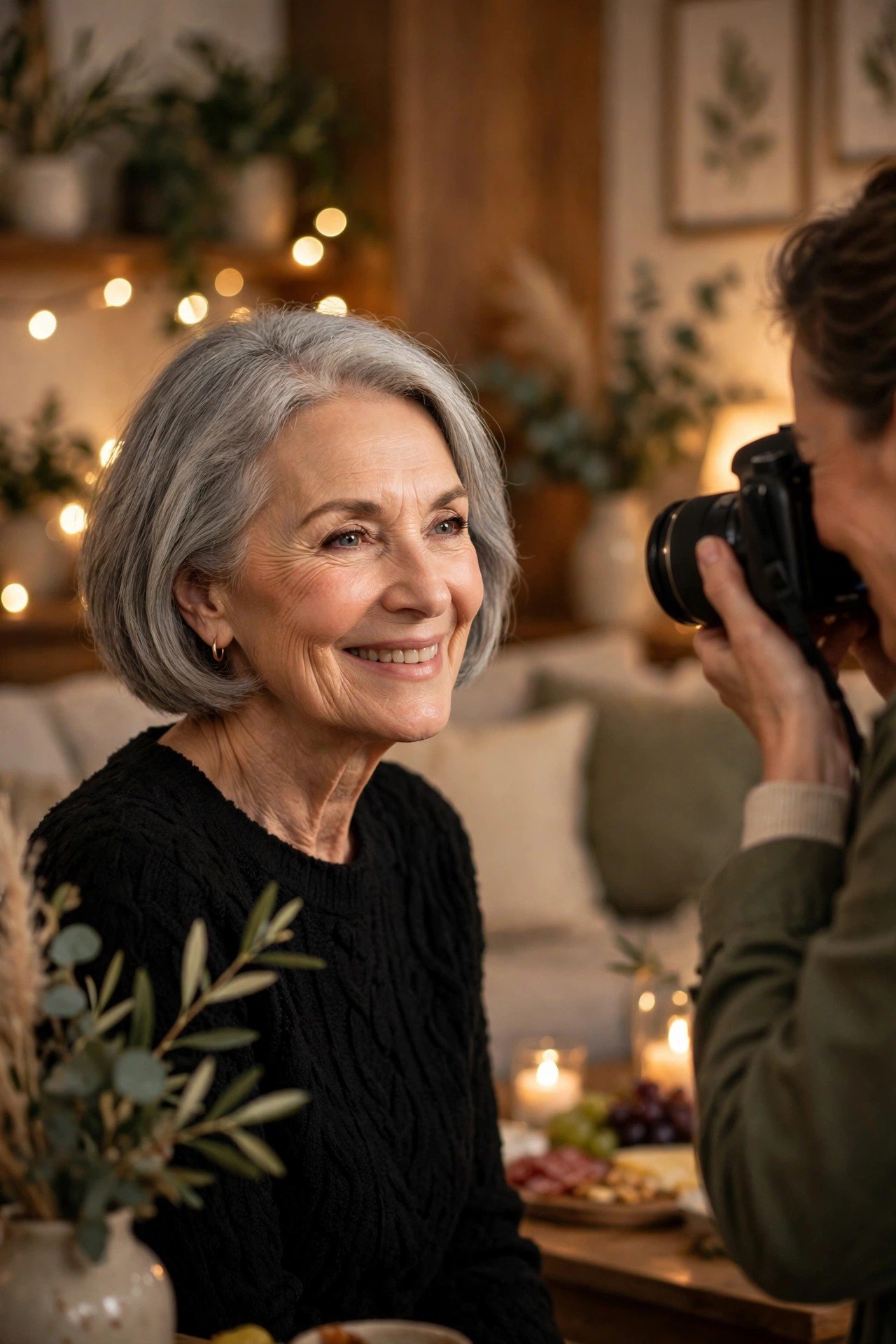
Camera flash is honest in a way mirrors are not. A cream finish reflects a little light, which can soften lines in photos and keep skin looking alive. Heavy powder can bounce flash straight back and leave a pale cast across the face.
- A light dusting through the T-zone stops shine hotspots.
- Too much cream sheen can read as sweat under strong light.
- A test photo with flash settles the question in ten seconds.
For evening events with photos, a mostly cream face with a powdered centre is the safest bet.
Before the camera comes out
11. Cream Ease of Use vs Powder Ease of Use
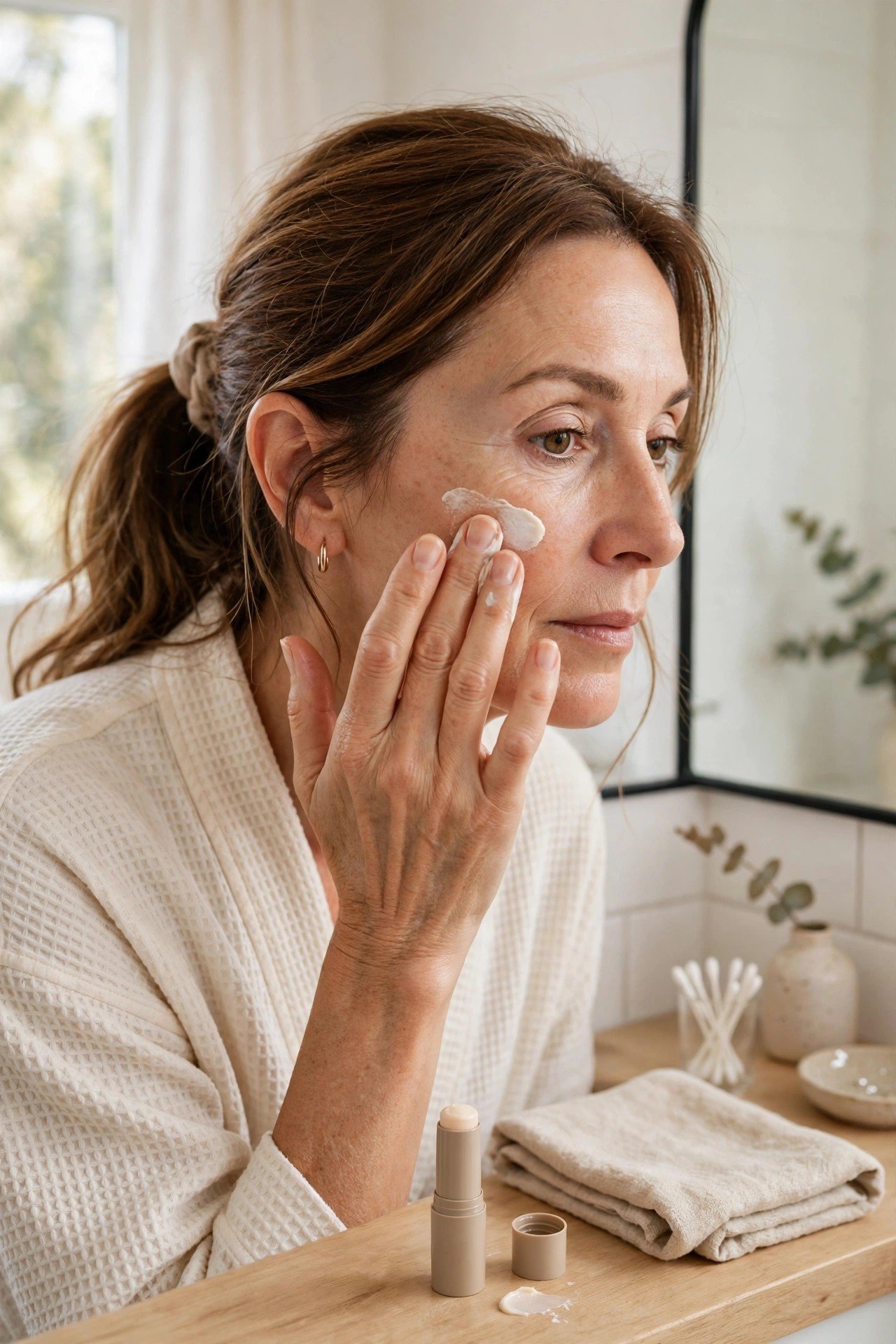
Cream makeup is forgiving in a way powder is not. Fingers warm it, spread it, and fix mistakes on the spot, and there is no fallout dusting your clothes or the sink.
- Powder needs brushes, a steady hand, and decent light.
- A powder mistake is hard to undo without starting that area over.
- Cream sticks and pans travel well and need no extra tools.
Shaky hands, poor light, or a five minute morning all point to cream.
12. Cream in Summer Heat vs Powder in Summer Heat
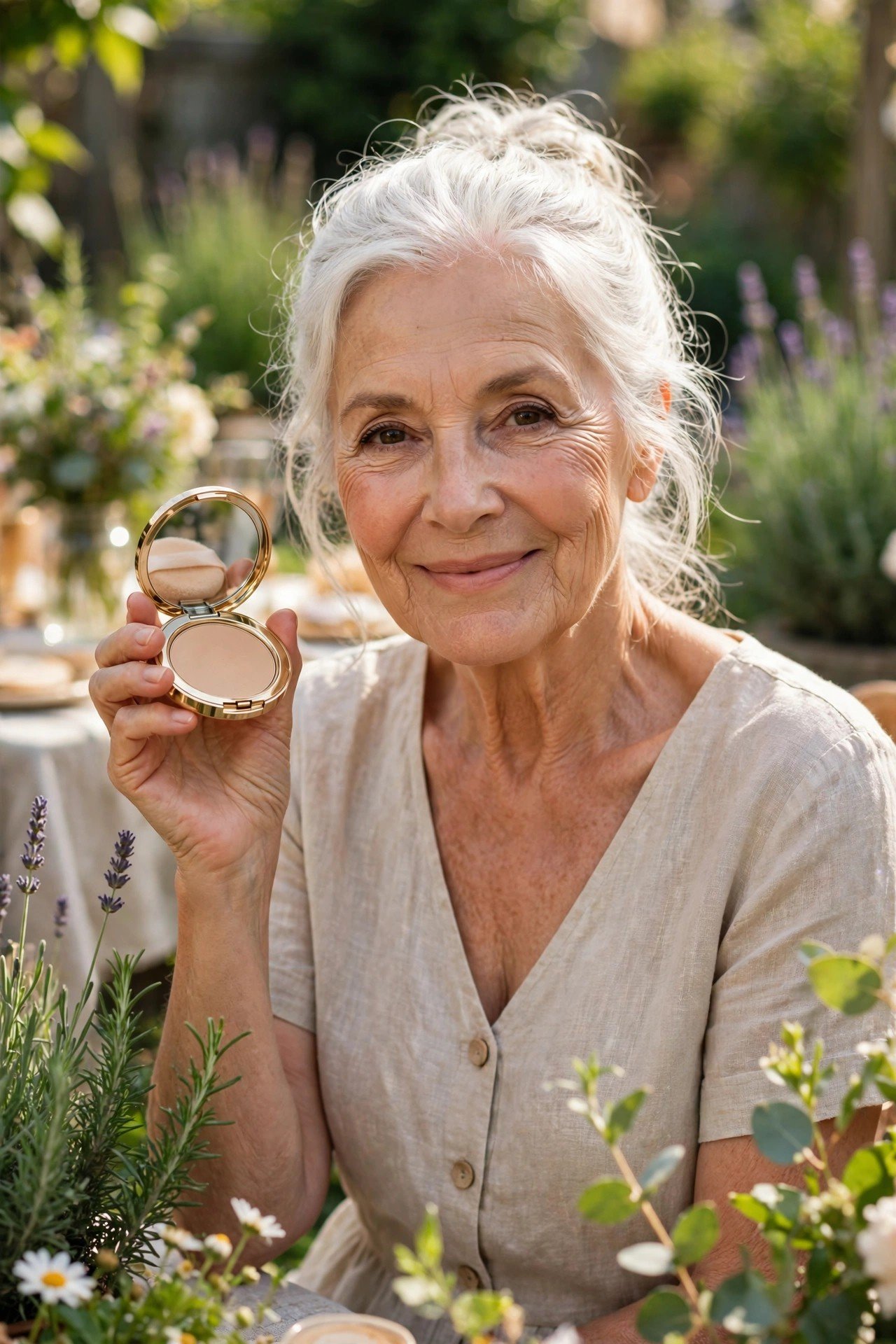
Hot days are powder’s home ground. Cream softens, moves, and can melt into lines when skin warms up, while powder keeps absorbing and holds the face together through a humid afternoon.
- A thin cream layer under powder behaves better than cream alone.
- Carry blotting sheets before you carry more makeup.
- Heavy cream plus heat is the fastest route to a separated base.
Summer weddings and garden parties call for powder on top, whatever you start with underneath.
⚠️ Watch Out
Cream makeup left in a hot car or a sunny bag can separate and turn patchy. Keep your kit in the shade, and check the texture before it goes on your face.
There is no single winner here, and that is honestly the good news. The cream vs powder makeup over 50 question answers itself once you look at your own skin instead of the shop shelf. Dry, dull, or line prone skin usually looks fresher in cream. An oily T-zone, a long day, or real heat calls for powder. Plenty of women land in the middle and use both, cream for colour and life, powder only where shine breaks through. Save this guide for your next makeup shop, and let your skin, not habit, make the final call.