2A, 2B & 2C Wavy Hair Routine: How to Define and Care for Your Waves
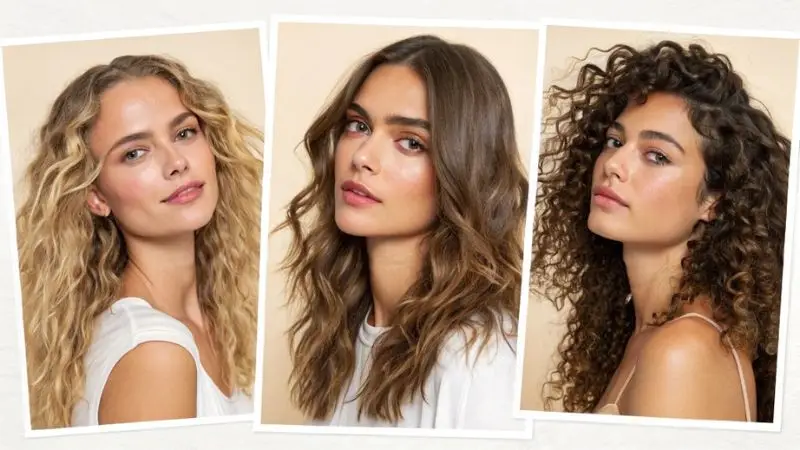
Finding the right 2A, 2B, 2C wavy hair routine cancompletely change how your hair looks and feels. Each wave type has its own personality. Type 2A waves are loose and fine; 2B waves show more definition in an S-shape pattern; Type 2C waves sit closest tocurly hairwith bold, springy texture.
Yourwavy hairroutine should boost natural movement, not weigh it down. If you deal with frizz, flat roots, or waves that vanish by afternoon, the fix is understanding what your specific wave type actually needs.
This guide covers proven techniques for all three wave types: which products to use, how to apply them, washing methods that preserve definition, and drying tricks that build volume. You’ll learn washing methods that preserve definition, drying techniques that build volume, and exactly which products suit your type.
With the right approach, expect defined, long-lasting waves — the kind that looks easy because the routine behind it is. Give the routine two to three wash days before judging it — hair needs time to adjust to new products and techniques.
Understanding 2A, 2B & 2C Wavy Hair Types
Wavy hair has its own rulebook. Learning to identify your wave pattern is the first step to a routine that brings out definition, fights frizz, and keeps hair healthy. If you’re unsure of your type, examine your hair when it’s air-dried with no product — that’s its honest pattern.
1. 2A Wavy Hair: The Finest Waves
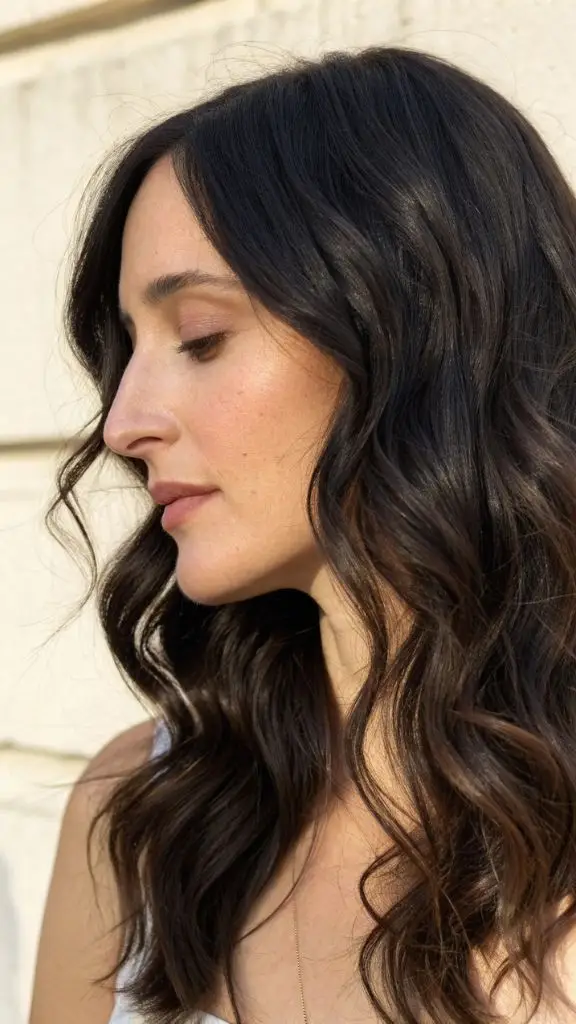
Type 2A is the loosest wave pattern — gentle S-shaped bends that usually start midway down the hair shaft. It sits closest to straight hair, with natural body and easy movement. Fine waves like these do best with volumizing formulas; anything labeled ’smoothing’ or ’intense repair’ is usually too heavy.
Roots often look almost straight, with subtle waves forming toward the ends. The main frustration? Definition that falls flat or disappears by afternoon — the delicate pattern needs the right lightweight support. A root-clipping trick helps here: small clips at the crown while hair dries give 2A roots lift that lasts.
Once you know you’re 2A, product choices get simpler: lightweight everything. Heavy creams and oils are the enemy; airy mousses and light gels are your friends. When shopping, look for ’weightless’ and ’for fine hair’ on labels — marketing words actually mean something here.
The right routine lets your natural texture shine — fresh, bouncy, manageable waves without the daily struggle. Air-drying often works better than diffusing for 2A; less manipulation means the delicate pattern stays intact.
2. 2B Wavy Hair: Defined, Beachy Waves

Type 2B brings more distinct S-shaped waves that start closer to the roots — that coveted beachy texture with natural volume. It holds its shape better than 2A and has noticeable body without much effort. A denman-style brush on wet hair can encourage the S-pattern, but use it gently — over-brushing creates frizz.
It’s a resilient pattern, but frizz and uneven definition still show up. The sweet spot is balanced moisture: enough hydration to fight frizz, but nothing so heavy it causes buildup. That balance makes all the difference. If your 2B waves look great on wash day but vanish by day two, the refresh routine below is your answer.
Work with the natural bend instead of against it and 2B waves look effortlessly tousled and alive. The routine stays simple — this texture doesn’t ask for much. Sea salt spray is a 2B favorite for a reason — it enhances the beachy texture this pattern already wants to form.
3. 2C Wavy Hair: Bold Waves Bordering on Curls
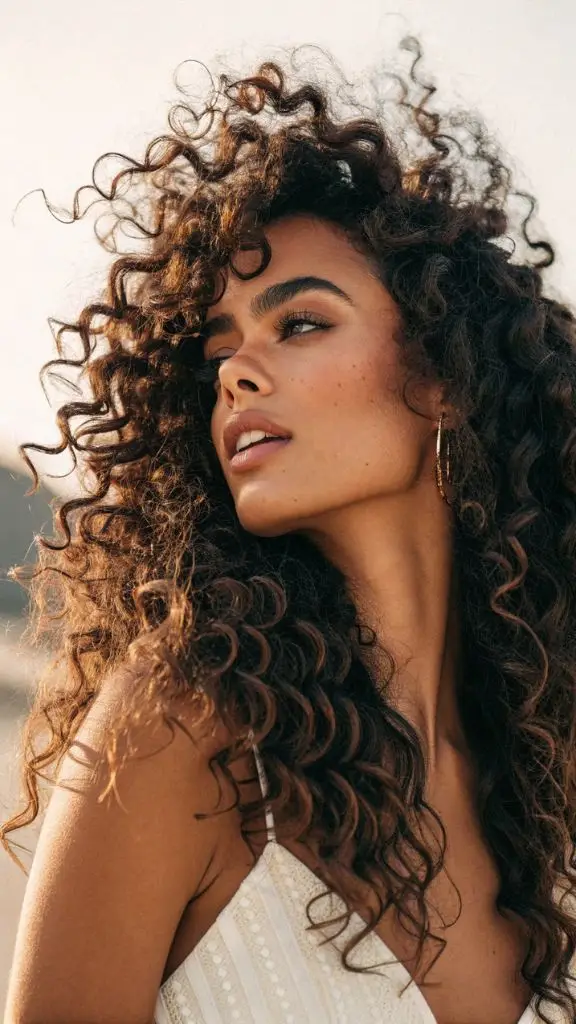
Type 2C is the most defined wave pattern, sitting right on the wavy-curly border. Pronounced S-waves start at the roots, creating serious volume and dramatic texture. Because 2C starts waving at the root, root volume is rarely the problem — controlling the canopy frizz is.
These waves are springy enough to form ringlets with encouragement. The texture tends to be coarser with more body than finer wave types — beautiful, but thirsty. The curly girl method works well for 2C with small tweaks; your waves will tell you quickly what they like.
Frizz is the constant companion here, especially in humidity. 2C hair wants consistent moisture and real hold — it’s the highest-maintenance of the three, but also the most striking. A weekly deep-conditioning mask isn’t optional for 2C — it’s the foundation everything else builds on.
Embrace the boldness: celebrate the fullness, manage the frizz, and give this texture the hydration and definition it craves. Pineappling at night preserves 2C definition remarkably well; it’s the single best nighttime habit for this type.
Building the Right Routine for Your Waves
Wavy hair lives between straight and curly, which means generic advice often misses. The universal truths: waves need moisture without heaviness, definition without crunch. If a product works for curly hair but feels heavy, try using half as much — wavies often need the same ingredients in smaller doses.
Each type responds differently. 2A flows with gentle bends; 2B forms clearer S-shapes; 2C brings tight, pronounced waves nearing curly territory. Match your products and techniques to your type and everything gets easier. When in doubt about your type, you probably have the one whose description made you nod the most — trust that instinct.
Frizz is the shared enemy, and buildup is the silent one — heavy products flatten the movement you’re trying to enhance. Small routine adjustments, chosen for your pattern, make the biggest difference. Hard water can make frizz worse; if your waves misbehave despite a good routine, a chelating shampoo occasionally helps.
How to Style 2A, 2B, 2C Wavy Hair
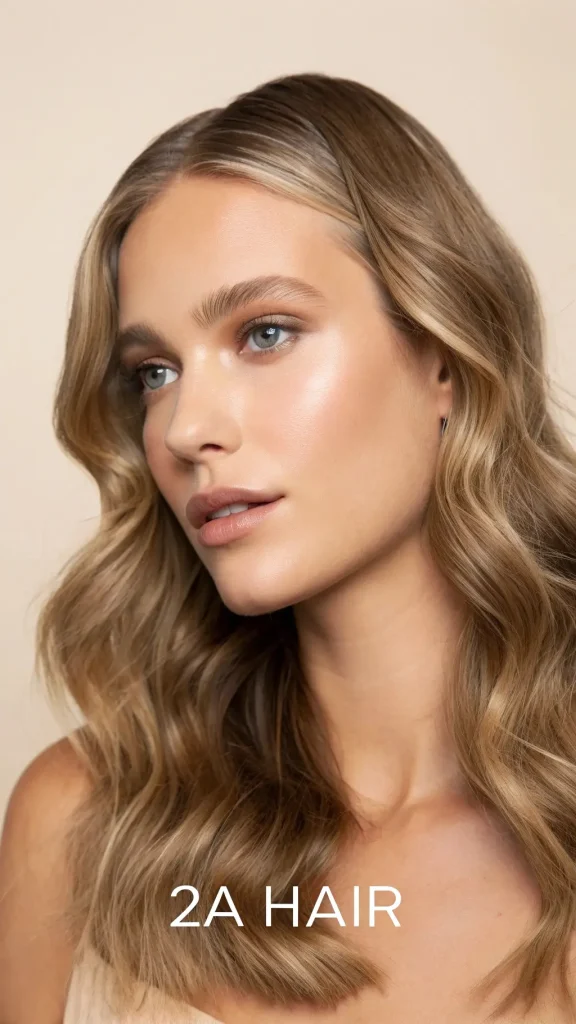


Different patterns, different approaches. Here’s the quick guide to what each type wants: Screenshot or save this section — it’s the cheat sheet you’ll come back to when shopping.
Type 2Ashows gentle, loose waves in a subtle S-pattern. Keep products featherweight — mousse and light gels define without dragging the delicate bends down.
Type 2Bforms more defined S-shapes with moderate volume. It wants balanced moisture and medium hold — creams and styling lotions that enhance definition without crunch.
Type 2Cbrings tight, springy waves near curly territory. These need extra hydration and stronger hold — rich creams, firm gels, and regular deep conditioning keep the bounce intact.
Compare your hair to the descriptions above to find your type. Once you know it, enhancing your natural texture becomes straightforward. Still torn between two types? Most people are a mix — use the routine for your dominant pattern and adjust.
Keeping Your Waves Looking Good
Simple habits maintain beautiful waves between wash days. Here’s how to keep texture fresh and frizz low. Maintenance is where good wash days become great weeks — don’t skip this section.
1. Daily Refresh Methods
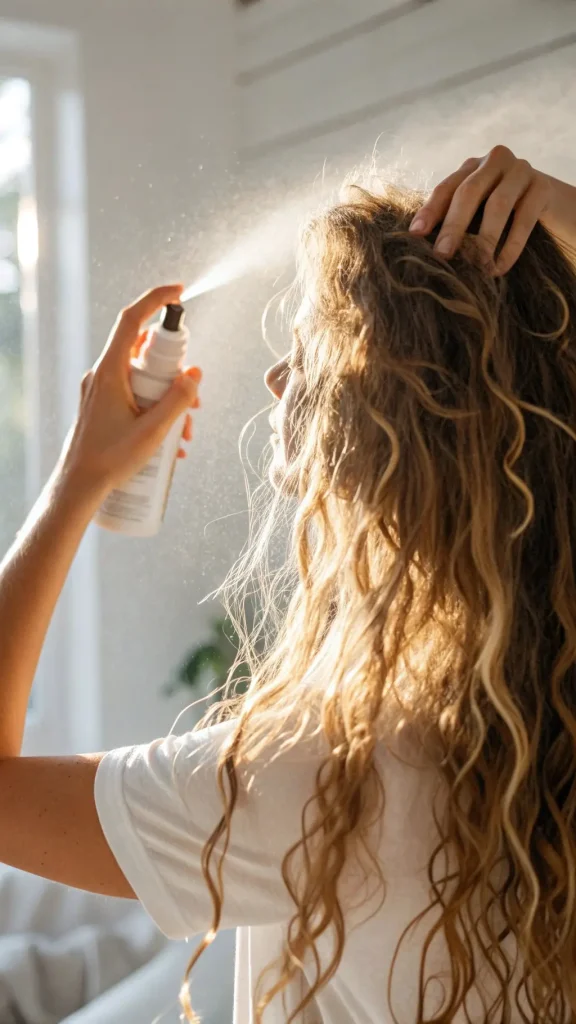
By day two or three, definition fades and frizz creeps in. You don’t need a full wash — a refresh routine brings waves back in minutes. Keep a small spray bottle mixed and ready; if refreshing feels like a chore, you won’t do it.
Mist with water mixed with a little leave-in conditioner, then scrunch while damp to reactivate your pattern. A dab of styling product on frizzy spots smooths things out. Focus on mid-lengths and ends, where dryness hits first. Less is more with refresh products — start with a light mist and add only if needed.
Two minutes of refreshing extends your style for days. Less washing, healthier hair, great waves — everybody wins. Silk or satin pillowcases reduce morning frizz so much that your refresh routine gets shorter too.
2. Sleeping with Wavy Hair
- Pineapple your hair before bed — a loose, high ponytail on top of your head keeps waves from getting crushed overnight.
- Switch to a satin or silk pillowcase. Cotton creates friction and frizz; smooth fabrics let waves glide instead of snagging.
- On non-wash nights, a light mist of water plus scrunching in the morning revives most of the definition.
- If your waves flatten at the roots overnight, a quick blast with a diffuser upside-down brings the volume back.
- Braiding loosely before bed gives you soft, stretched waves by morning — a heat-free style in your sleep.
- A buff or satin bonnet works wonders for preserving definition, especially for 2B and 2C patterns.
- Protect your waves at night and mornings get dramatically easier — sometimes just a shake and go.
3. Styling and Care Tips for 2A, 2B, 2C Waves
The essentials are simpler than the internet makes it look. Here’s what actually matters: Print this or save it — it’s the decision tree for every product you’ll ever buy for wavy hair.
- Wavy hair has different needs than straight or curly hair — treat it as its own category, not a compromise between the two.
- Know your type before you shop. The right products for 2A will disappoint on 2C, and vice versa.
- 2A: lightweight products only. If it feels rich in your hands, it’s probably too heavy.
- 2B: medium-hold stylers that define without stiffness — creams, lotions, light gels.
- 2C: moisture plus hold. Richer creams, stronger gels, and deep conditioning are non-negotiable.
- Technique matters as much as product: scrunching, plopping, and diffusing all enhance what your hair wants to do naturally.
The Products Worth Having Start with shampoo, conditioner, one styler, and a refresh spray — you can add from there if needed.
You don’t need a twenty-product routine. A few well-chosen essentials cover everything wavy hair needs. A minimal routine you follow beats an elaborate one you abandon after a week.
1. Shampoos and Conditioners
Start with gentle cleansing. Sulfate-free shampoos clean without stripping the natural oils your waves need, and the right conditioner gives slip and hydration without heaviness. Co-washing (conditioner-only washing) suits some wavies but leaves others limp — experiment to see which camp you’re in.
2A does best with lightweight formulas; 2B and 2C can handle richer ones. Watch your protein-moisture balance too — some waves need strengthening protein, others need pure moisture. Bouncy, defined waves come from getting this ratio right. If buildup is your issue, a clarifying shampoo once a month resets everything without daily harshness.
If your waves feel mushy and limp, you may need protein. If they feel rough and frizzy, you need moisture. Learn to read what your hair is telling you. Your hair’s needs change with seasons — drier air in winter usually means richer products temporarily.
2. Styling Products for Waves
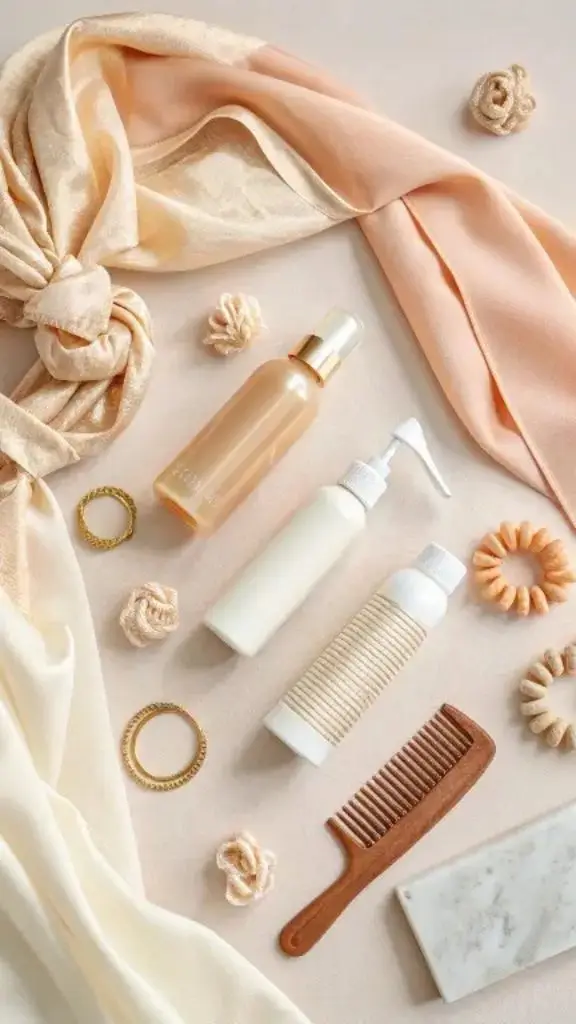
The right stylers turn undefined waves into bouncy, defined texture. Light sprays give flexible hold and shine while taming frizz through the day. Gels give the strongest hold; creams give softness; mousses give volume. Most wavies end up using two of the three.
Serums smooth the cuticle and seal in moisture; leave-ins nourish between wash days. A wide-tooth comb or your fingers distribute product without breaking up your pattern. Apply stylers to soaking-wet hair for the most defined results — damp application gives softer, looser waves.
Satin pillowcases and bonnets protect your progress overnight. Good tools plus the right formulas keep waves looking good from morning to night. Microfiber towels or old t-shirts dry hair with less frizz than terry cloth — plopping with one sets your pattern beautifully.
Mistakes That Sabotage Waves
Most wave problems trace back to a handful of fixable mistakes. Here’s what to watch for: Honest self-diagnosis is the fastest path to better waves — most people recognize at least two of these immediately.
1. Product and Technique Errors
Your routine might be working against you. These are the mistakes almost everyone makes at first: Fix the mistakes first, then judge your products — a great product can’t overcome a bad technique.
- Heavy Products: Thick creams and heavy oils flatten waves instead of defining them — especially on 2A and 2B. When in doubt, go lighter.
- Wrong Application: Raking product through from roots to ends often means greasy roots and limp lengths. Try praying-hands or scrunching into mid-lengths and ends instead.
- Over-manipulation: Touching, brushing, and restyling waves throughout the day breaks the pattern and invites frizz. Set it and leave it alone.
- Heat Damage: Daily high-heat blow-drying or straightening weakens your natural texture over time. Embrace heat-free drying when you can, and always use protectant when you can’t.
- Skipping Key Steps: Techniques like scrunching, plopping, or micro-plopping exist for a reason — they set your pattern while it dries. Skipping them and hoping for the best rarely works.
Fix these and your routine starts cooperating. Most people see a real difference within a couple of wash days. Revisit this list monthly; as your technique improves, mistakes you once made disappear.
2. Overwashing or Under-Moisturizing
Balance is everything. Washing too often strips the natural oils that protect your waves; skipping moisture leaves them dry, frizzy, and unmanageable. When your waves feel off, ask which extreme you’re closer to — the answer usually points to the fix.
Most wavies lean too far one way: daily washing out of habit, or no deep conditioning ever. Find your middle ground — for many, that’s washing two to three times a week with regular conditioning. Small shifts, big transformation. Track what you change one variable at a time; changing everything at once teaches you nothing.
3. Using the Wrong Styling Tools
- Ditch the regular paddle brush for daily styling — it breaks up wave clumps and creates frizz. Use a wide-tooth comb on wet hair or just your fingers.
- If you diffuse, use the attachment and keep heat medium. Blasting waves with high heat from a bare nozzle roughs up the cuticle.
- Swap metal or fine-tooth combs for seamless wide-tooth versions that glide instead of snagging.
- Tools made for straight hair — fine brushes, high-heat flat irons as daily drivers — work against your texture.
- The wrong tools fight your 2A, 2B, or 2C pattern; the right ones enhance it with almost no extra effort.
- A diffuser, a wide-tooth comb, and a satin pillowcase are the wave-friendly starter kit.
- Good tools protect your hair’s structure and make definition easier, not harder.

Easy Styling: The Short Version
- Wavy hair sits between straight and curly — give it its own routine instead of borrowing from either side.
- 2A, 2B, and 2C each have distinct needs: learn your type once and shopping gets simple.
- Flat roots, frizz, and fading definition are the big three challenges — all fixable with technique.
- Understanding your pattern beats buying more products every time.
- Refresh sprays, pineappling, and satin pillowcases save time and extend your style for days.
- You don’t need a complicated multi-step routine — a few right moves outperform ten wrong ones.
- Scrunching and plopping build definition; diffusing builds volume. Pick the techniques your type needs.
- Small, consistent habits deliver better waves than any single miracle product.
- Work with your natural movement and styling stops feeling like a battle.
- Healthy, defined waves come from the right routine — not the most expensive one.