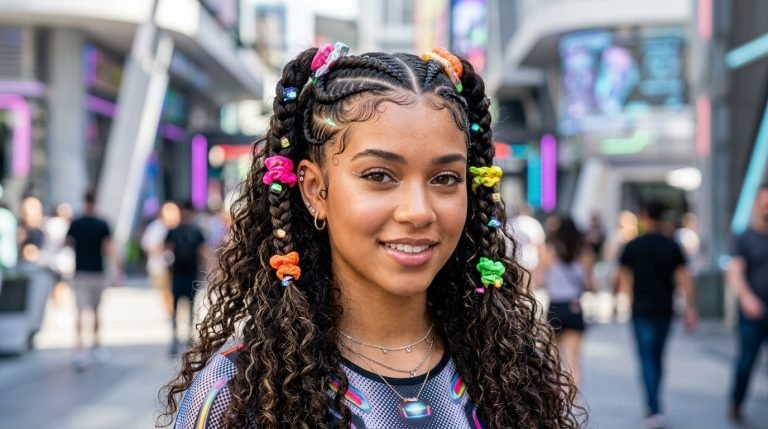
16 Haircuts for Big Foreheads: Smart Cuts That Balance Your Face Shape

Plenty of people feel self-conscious about a larger forehead, but the goal was never to hide it. It is about finding the right balance. The right haircut can soften your features and add definition, and you do not need complicated styling to get there.
A good haircut does more than just sit there. It changes how you feel about your face. The point is not to hide your forehead, but to help everything look and feel more balanced.
These haircuts for big foreheads are about working with what you have, so your hair feels like it truly fits you. Here are sixteen ideas that can genuinely make a difference.
How the Right Haircut Changes the Whole Picture
Before looking at specific styles, it helps to understand the few principles that actually move the needle.
- The way your hair falls changes how the eye reads your whole face.
- Where your hair carries its weight decides what people notice first.
- Shape matters more than length. Good structure does more work than extra inches ever could.
- A touch of asymmetry breaks up strong vertical lines and keeps everything looking natural.
16 Haircuts for Big Foreheads That Work With Your Features
1. The Weight-Shift Contour Cut
This approach lets the cut itself do the balancing instead of relying on daily styling tricks. If your hair tends to sit flat at the sides or puff up at the crown, the weight gets redistributed to where it actually flatters: more fullness through the sides, less height on top. It is a quiet, structural fix.
The finished result looks natural, like your hair simply falls that way, and mornings stay easy because the shape is built in. Nothing to force, nothing to fuss over. Just a cut that works with what you have and leaves everything feeling more balanced.

2. The Reverse Graduation Bob
The reverse graduation bob flips the classic formula. Instead of stacking weight at the back, it keeps the crown lighter and brings fullness forward, so the shape frames your face in a soft, natural way. The gentle forward flow takes attention away from the crown without looking heavy.
It reads neat and modern but stays easy to wear day to day. If you want a short cut that feels fresh rather than severe, this one earns its place. The forward movement does the flattering work for you.

3. The Floating Face-Frame Cut
This cut keeps things simple and soft. The front pieces float along the sides of your face instead of disappearing into the rest of your hair, gently breaking up the hairline without making a statement. It feels light and easy, like barely a change at all.
The rest of the hair stays natural and loose, so you get a small shift that makes everything look more balanced. A solid choice when you want improvement without commitment.

4. The Internal Debulking Layer Cut
You would never guess the technique just by looking, which is the point. Hidden layers underneath remove excess weight from the top while the outer surface stays smooth. For thick hair that always feels heavy, this makes a genuine difference in how the cut sits.
Hair ends up feeling lighter and easier to manage, and the reduced crown height keeps the forehead from looking more prominent. A subtle change with a surprisingly visible payoff once you see the whole shape come together.

5. The Side-Direction Sculpt Cut
This cut trains your hair to fall to one side rather than hanging straight down, giving you a relaxed, slightly off-center look with zero effort. That gentle shift takes the edge off the forehead and softens the whole face. It works especially well on straight or wavy hair.
The best part is how little styling it needs. The cut does most of the work, so mornings are quick and the result always looks intentional.

6. The Controlled Collapse Cut
If your hair insists on puffing up at the crown, this cut brings it back down to earth. Volume up top gets reduced so hair falls the way you want it to, not sticking up or out. The shape ends up softer and more put-together, with no added height drawing the eye upward.
It is a straightforward way to get a style that feels easier to manage and looks more balanced every single day.

7. The Horizontal Expansion Cut
This one is all about width, not height. The layers spread outward to the sides, which helps the face look more balanced, especially if a larger forehead makes the face feel long. The open, airy shape softens everything without it being obvious that anything major changed.
It is the kind of cut that quietly makes everything work better. Nothing overdone, nothing fussy, just a shape that flatters from every angle.

8. The Micro-Textured Edge Cut
This cut is all about the small details. Instead of obvious layers, it focuses on softening the edges so nothing feels harsh or blunt. You will not walk out looking like a different person, but everything sits a little better and feels more natural.
If you prefer improvements that make life easier without announcing themselves, this is very much your kind of cut.

9. The Offset Part Precision Cut
This cut works because the part sits deliberately off-center, and your hair simply falls where it wants to. No forcing, no fussing, no fighting your natural growth patterns in the morning.
That small shift changes the whole read of your face instantly. It takes the style off-center, adds a bit of energy, and genuinely makes a difference with almost no effort required.
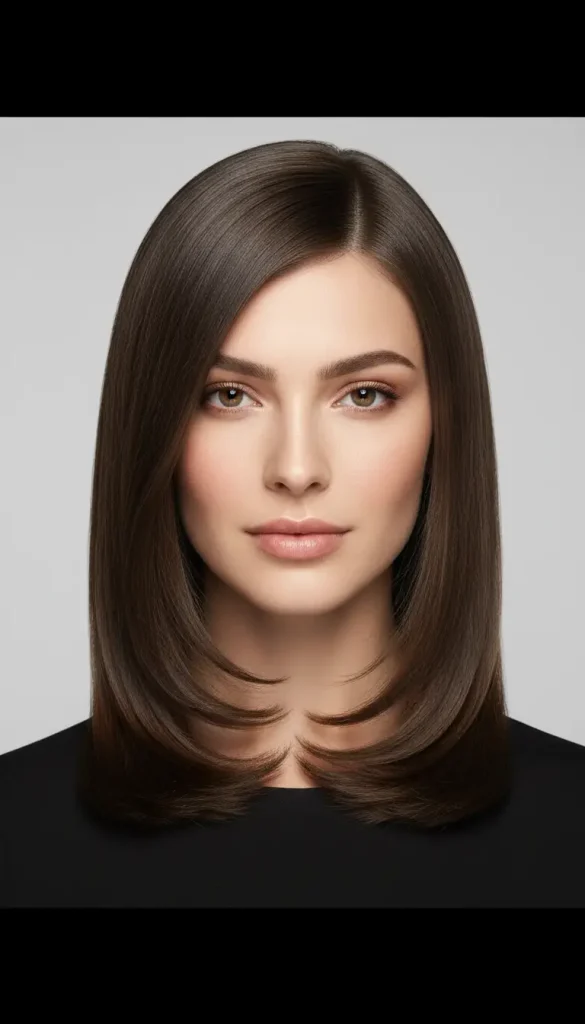
10. The Low-Density Crown Cut
This cut takes weight off the top so the eye is not drawn upward, keeping the crown light and easy while allowing a little more fullness through the sides. The overall effect is softer and more balanced, like your hair naturally falls this way.
For fine or medium hair, this is especially helpful. It avoids that top-heavy look the wrong cut can create and keeps the proportions feeling right.

11. The Soft Disconnection Cut
The word ‘disconnection’ might sound dramatic, but here it simply means sections are cut to sit a little apart instead of blending perfectly. That separation creates movement and keeps the focus away from the forehead.
The style feels modern with a slight edge, yet it stays easy to wear every day. If you want a change that has personality without going over the top, this is a strong option.

12. The Frame-Drop Layer Haircut
The front layers in this cut sit a touch lower than expected, so the eye naturally travels downward instead of up. It is a small adjustment, but it genuinely works to rebalance the face.
The rest of the hair stays natural and low-maintenance, while the shape looks better from the very first day. Simple, effective, and easy to live with.

13. The Edge-Softened Blunt Cut
A blunt cut can read severe on some face shapes, but softening the edges just slightly removes the harshness while keeping the neat, clean line. The result looks balanced and put-together without dominating your whole look.
A small tweak, but one that really does change how the cut wears.

14. The Directional Flow Lob
This lob is shaped so hair falls slightly to one side, which keeps the style from looking too perfect or stiff. That bit of movement makes everything feel softer and more natural, like the hair has a mind of its own in the best way.
It is a fresh take on a classic cut: you keep the easygoing vibe of a lob while gaining shape that flatters. Put-together, never forced.

15. The Balanced Density Mid-Length Cut
This cut is about getting the weight distribution exactly right. Nothing too heavy, nothing too light, so you are never fighting uneven spots or a top-heavy crown. It is simple, and that simplicity is what makes it work so well.
No trend-chasing here, just a solid, reliable shape that feels good every single day.

16. The Sculpted Side Volume Cut
This cut gives you an edge without any complication. Extra volume on one side balances the face and adds visual interest, keeping the style from feeling flat or one-note.
It feels more modern than most everyday cuts but stays easy to wear. The shape does the heavy lifting, so styling stays minimal. If you want something that stands out just enough, this is a solid final pick.

Haircut Strategy Guide for Big Foreheads
| Technique | What It Does | Best For |
|---|---|---|
| Weight Shift | Builds side volume, reduces crown height | Longer face shapes |
| Asymmetry | Breaks up forehead width visually | High or wide foreheads |
| Internal Layers | Removes heaviness from the crown | Thick, heavy hair |
| Directional Cutting | Moves focus away from the center | Straight or wavy hair |
| Horizontal Shaping | Creates width to balance length | Long faces |
| Light Crown | Keeps the top of the head less prominent | Fine to medium hair |
Haircut Tips for Big Foreheads
- Ask your stylist for more volume through the sides rather than height on top. It is a simple request that evens out proportions noticeably.
- A deep side part or a slightly uneven, asymmetric cut takes attention away from a wider forehead. It breaks up the symmetry and softens the whole look.
- For thick hair, internal layers remove crown heaviness without changing the visible style. Letting hair fall slightly to one side instead of straight down the middle also prevents an elongated look.
- Styles that build width rather than height almost always balance a larger forehead better.
- Keep the crown light: Too much root volume can make the forehead look more prominent, so ask for a flatter crown with fullness lower down.
Frequently Asked Questions
Final Thoughts
A bigger forehead is not a problem that needs solving. It is simply about finding the right balance. The right haircut can bring your features into proportion while still letting you look like yourself.
Forget chasing trends. When you pay attention to shape and proportion, your hair just works better for you. It feels easy, looks good, and actually fits who you are.